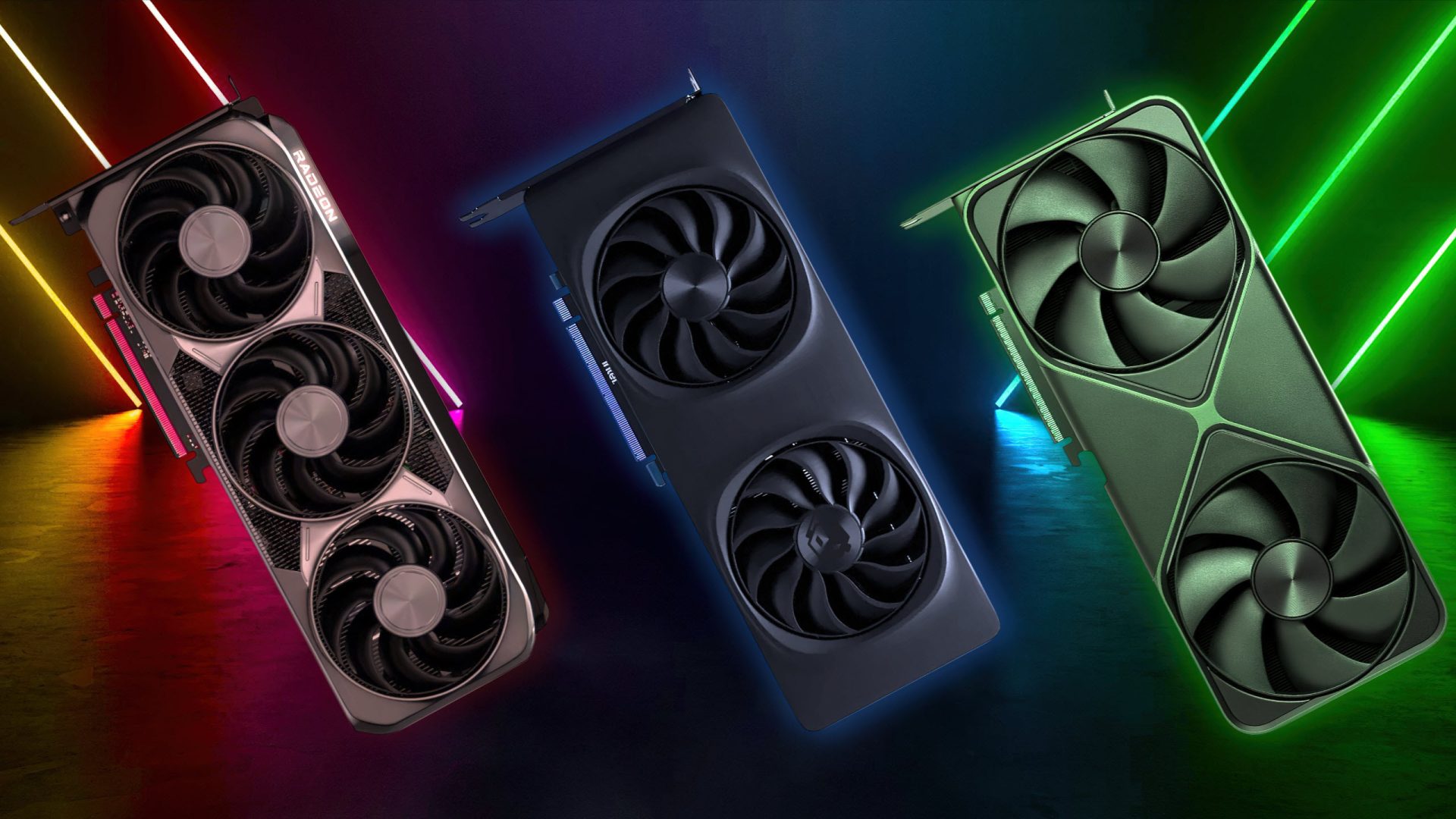
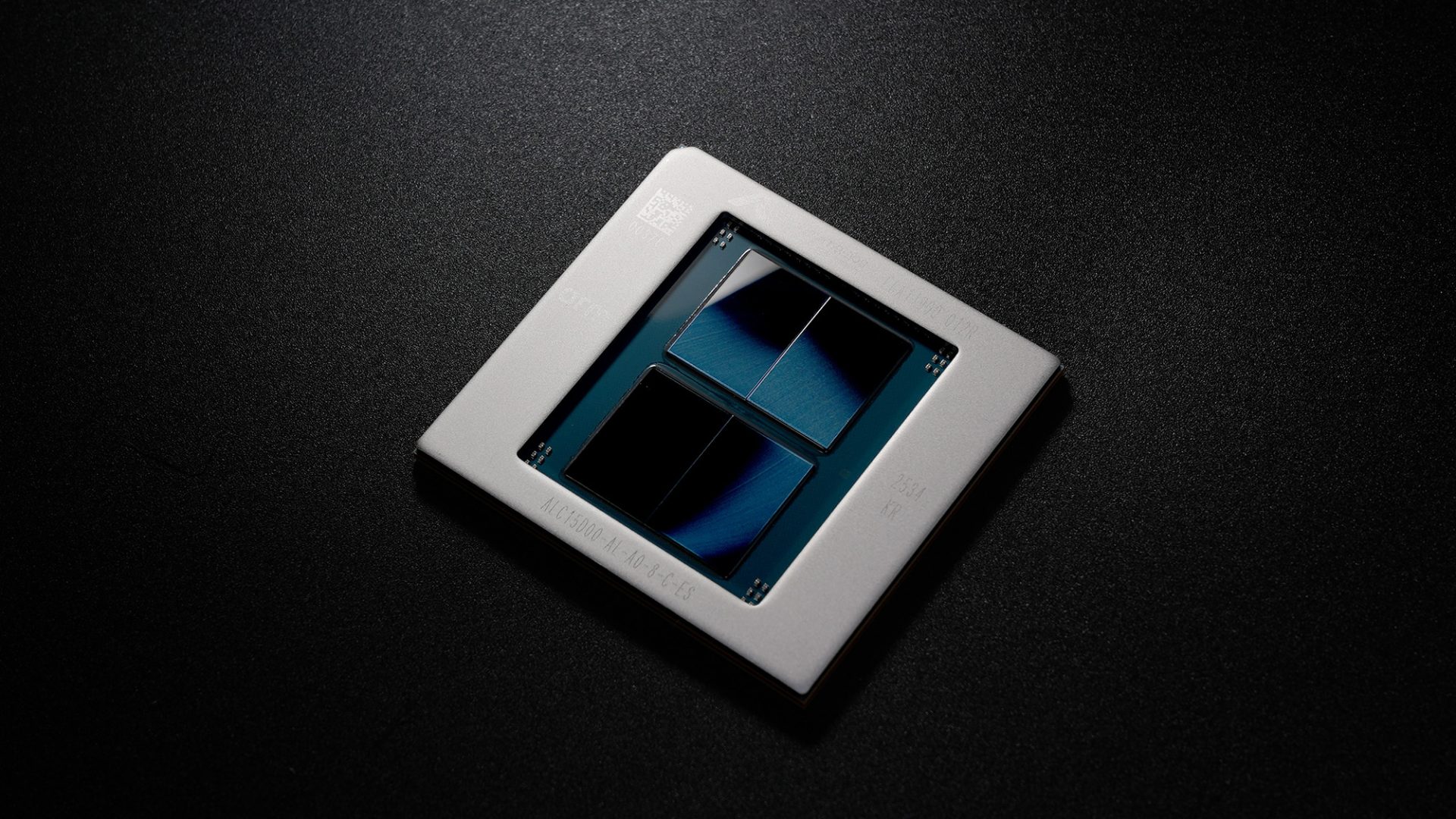
Intel's Arc GPU lineup, encompassing both the B-series (Battlemage) and A-series (Alchemist) discrete models, has undergone a significant update with the release of a new WHQL-certified driver. This update addresses a persistent visual issue—frame-generation tearing—that had plagued the platform since its introduction. However, while this fix enhances performance in competitive titles, it also brings new stability concerns that could hinder broader adoption.
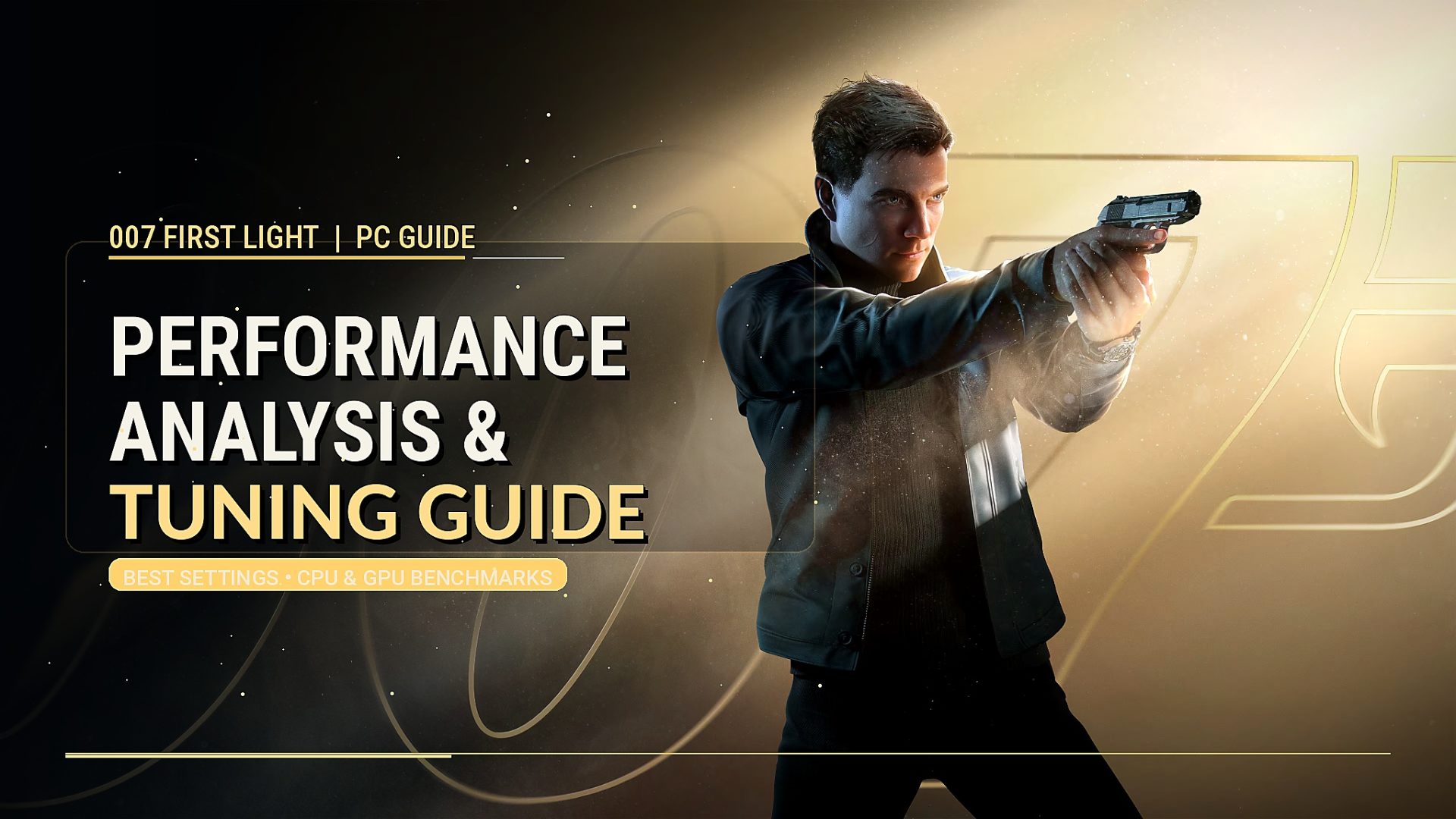
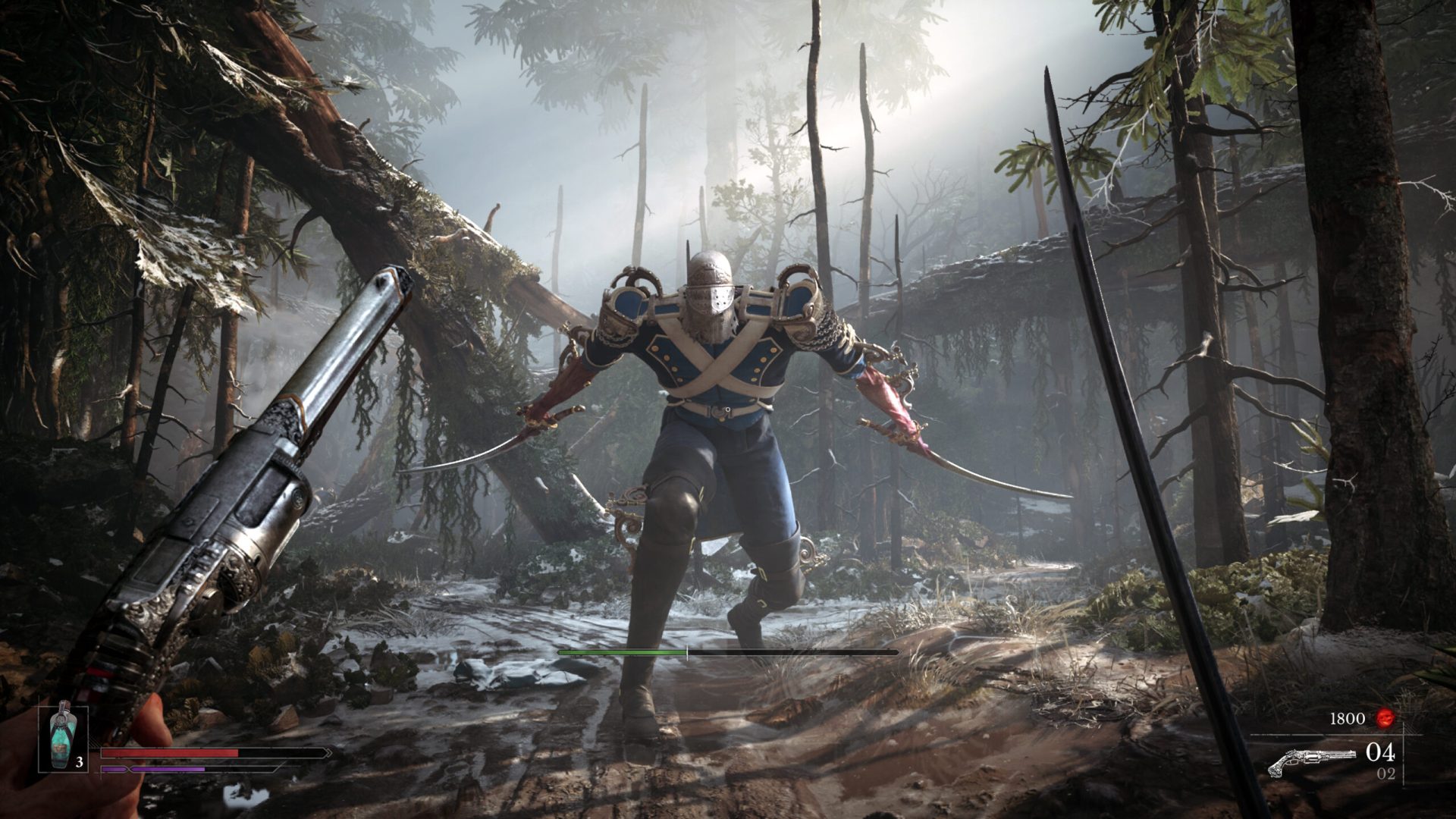
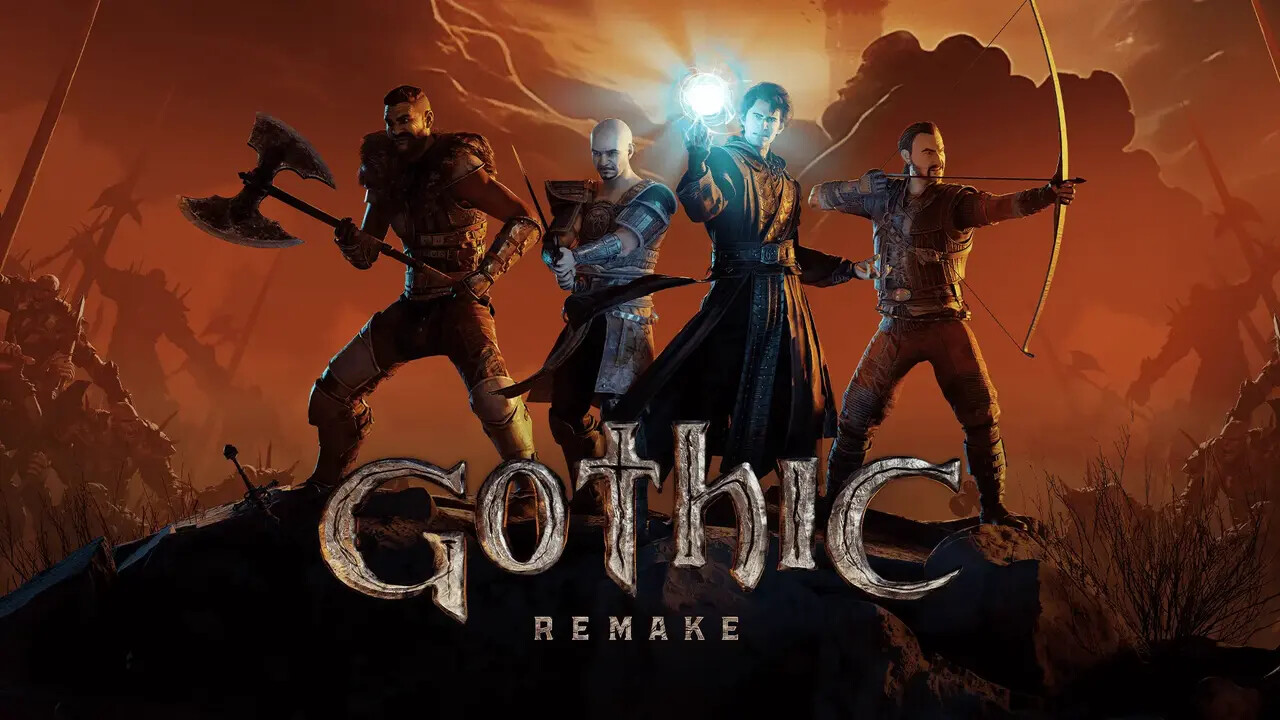
Frame generation, Intel's implementation of frame interpolation similar to NVIDIA's techniques, has been a double-edged sword. On one hand, the latest driver version, 101.8826 (WHQL), eliminates tearing across Core Ultra Series 3 (Meteor Lake) integrated GPUs and both Battlemage (B-series) and Alchemist (A-series) discrete GPUs. This improvement is notable in games like 'Gothic 1 Remake,' 'F1 25: 2026 Season,' and 'Fortnite Chapter 7,' where frame generation was previously marred by artifacts.
Stability Challenges Persist
Yet, the stability of Intel's Arc GPUs remains a critical concern. Benchmarks from PugetBench reveal intermittent crashes in professional applications such as Adobe Premiere Pro and DaVinci Resolve Studio when path tracing is enabled in DirectX 12 titles. A suggested workaround—adjusting the timeout slider to 1500 seconds or higher—partially mitigates the issue but does not fully resolve it. This instability is not isolated to discrete GPUs; it also affects integrated (iGPU) solutions across Core Ultra Series 1 (Meteor Lake) and Series 2 (Arrow Lake) processors.
Broader Ecosystem Implications
The mixed nature of this update presents both opportunities and challenges for developers. While frame generation is now stable enough for competitive gaming, the broader ecosystem faces operational hurdles in both gaming and professional workflows. For users, this means a tradeoff: improved performance in specific scenarios comes with the risk of crashes and visual corruption in others.
Future Outlook
Intel's long-term strategy is focused on refining XeSS 3 and expanding multi-frame generation support. However, the current stability issues could potentially delay the mass production of Arrow Lake processors later this year. The platform's reliability will be a key factor in determining its success, as users and developers weigh the benefits of improved frame generation against the risks of instability.
Final Considerations
The latest driver update for Intel Arc GPUs represents a step forward, but stability remains a critical hurdle. While the elimination of frame-generation tearing is a significant achievement, the introduction of new issues raises questions about the platform's reliability. As Intel continues to refine its technology, users and developers will need to carefully assess these tradeoffs to determine the best path forward for the Arc ecosystem.