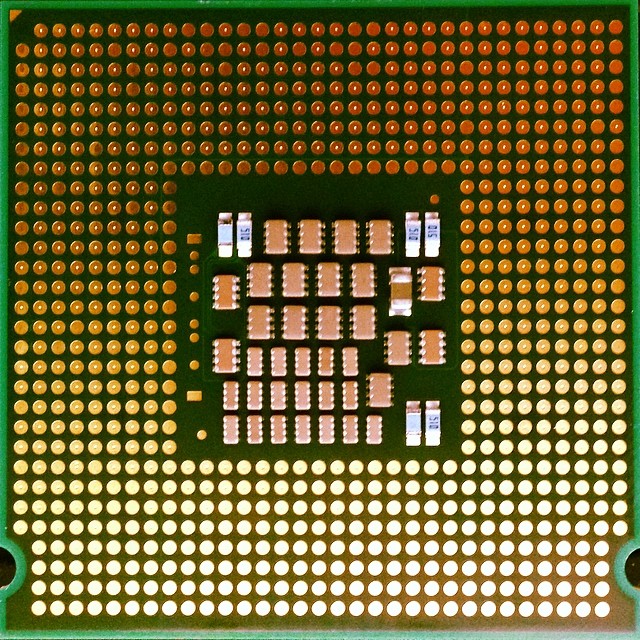
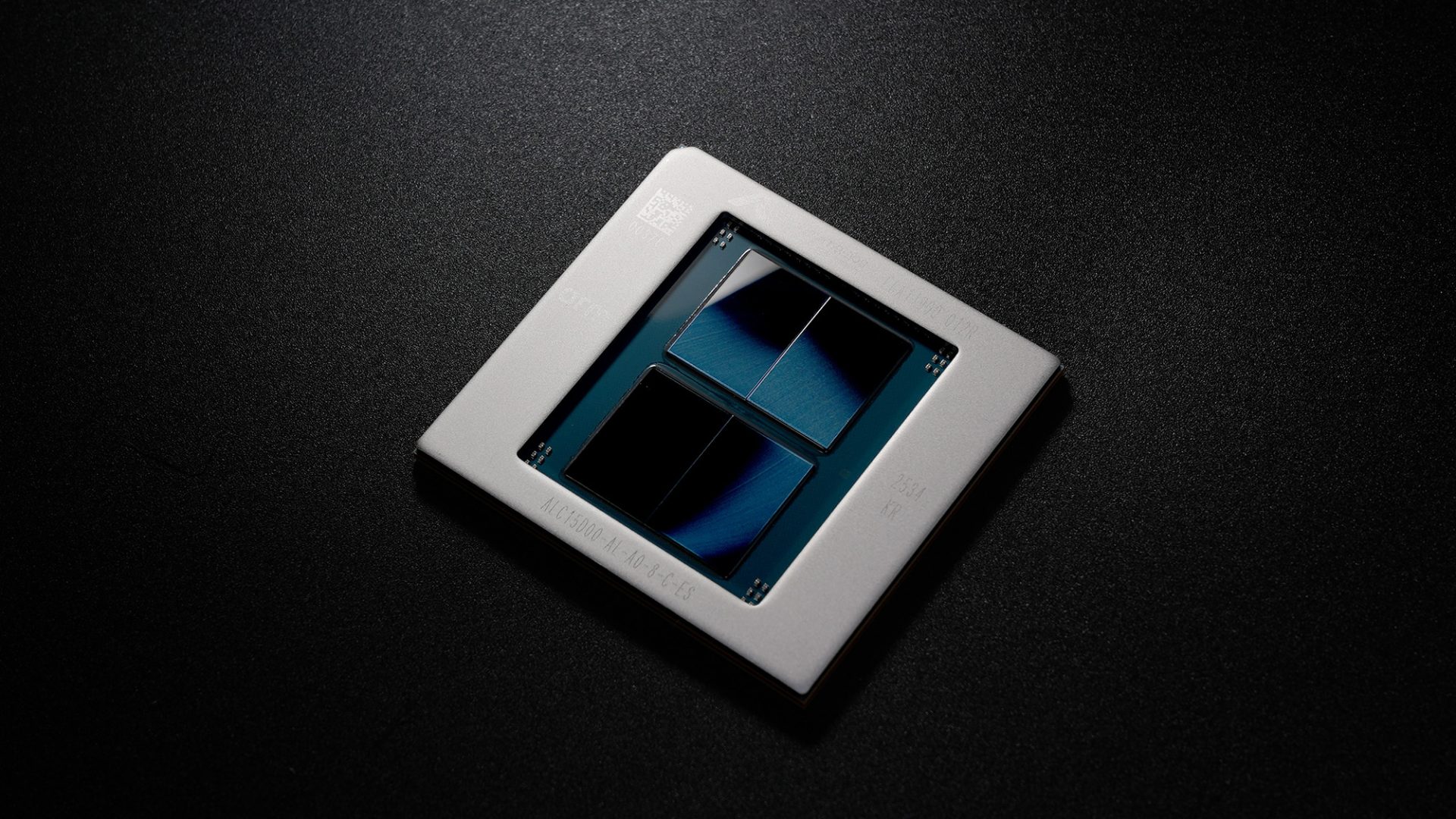
The Graviton5 processors from AWS represent a significant leap in AI performance, but their journey beyond cloud environments remains uncertain. With 192 Neoverse V2 cores clocked at up to 3.0 GHz, these chips are engineered for deep learning and inference tasks, offering a 25% speed advantage over Graviton3. Yet, their high core count and DDR5-8800 memory requirements suggest a focus on specialized workloads rather than general-purpose computing.
PCIe Gen6 connectivity further enhances bandwidth, but the processors' tight integration with AWS infrastructure could pose challenges for users seeking flexibility. While this makes Graviton5 a strong contender in AI-driven cloud environments, its compatibility with non-AWS systems remains unproven. For power users outside cloud setups, the tradeoff between cutting-edge performance and ecosystem lock-in may prove costly.
Who Stands to Gain?
- AI Researchers & Enterprises: Benefit from optimized deep learning acceleration, but require AWS infrastructure for full functionality.
- Cloud Service Providers: Can leverage Graviton5's performance in scalable AI workloads without hardware constraints.
- General-Purpose Users: May find the high core count and memory demands unnecessary for non-AI tasks, leading to potential cost inefficiencies.
The real test for Graviton5 will be its ability to expand beyond AWS. If adoption grows in on-premises or edge computing scenarios, it could redefine AI performance benchmarks. However, without broader hardware support, its potential may remain confined to cloud-centric environments, leaving users with limited alternatives.
For now, Graviton5 solidifies AWS's position in AI, but its long-term success hinges on breaking free from the constraints of its ecosystem. Whether it can balance performance with practicality remains an open question.