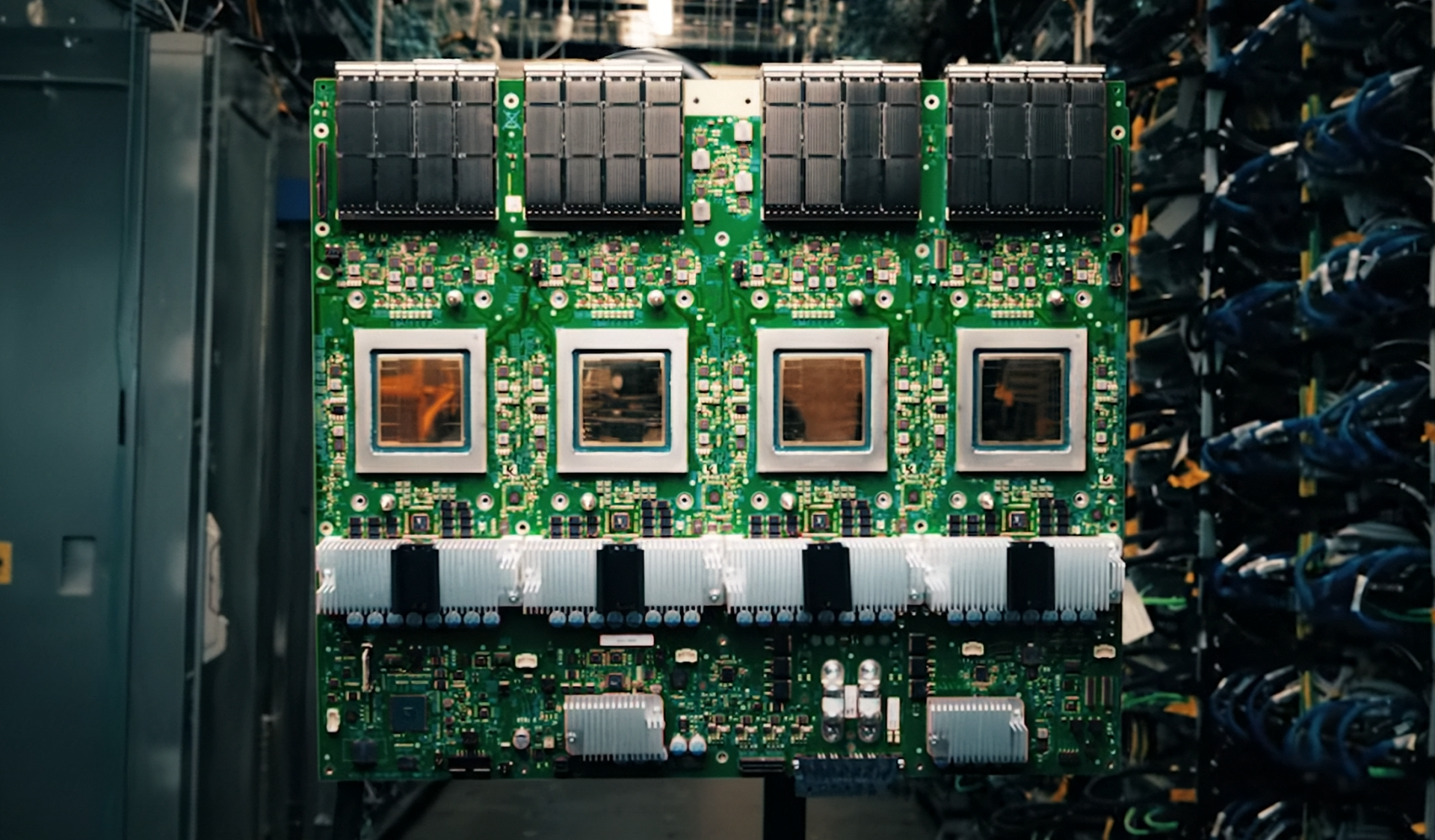
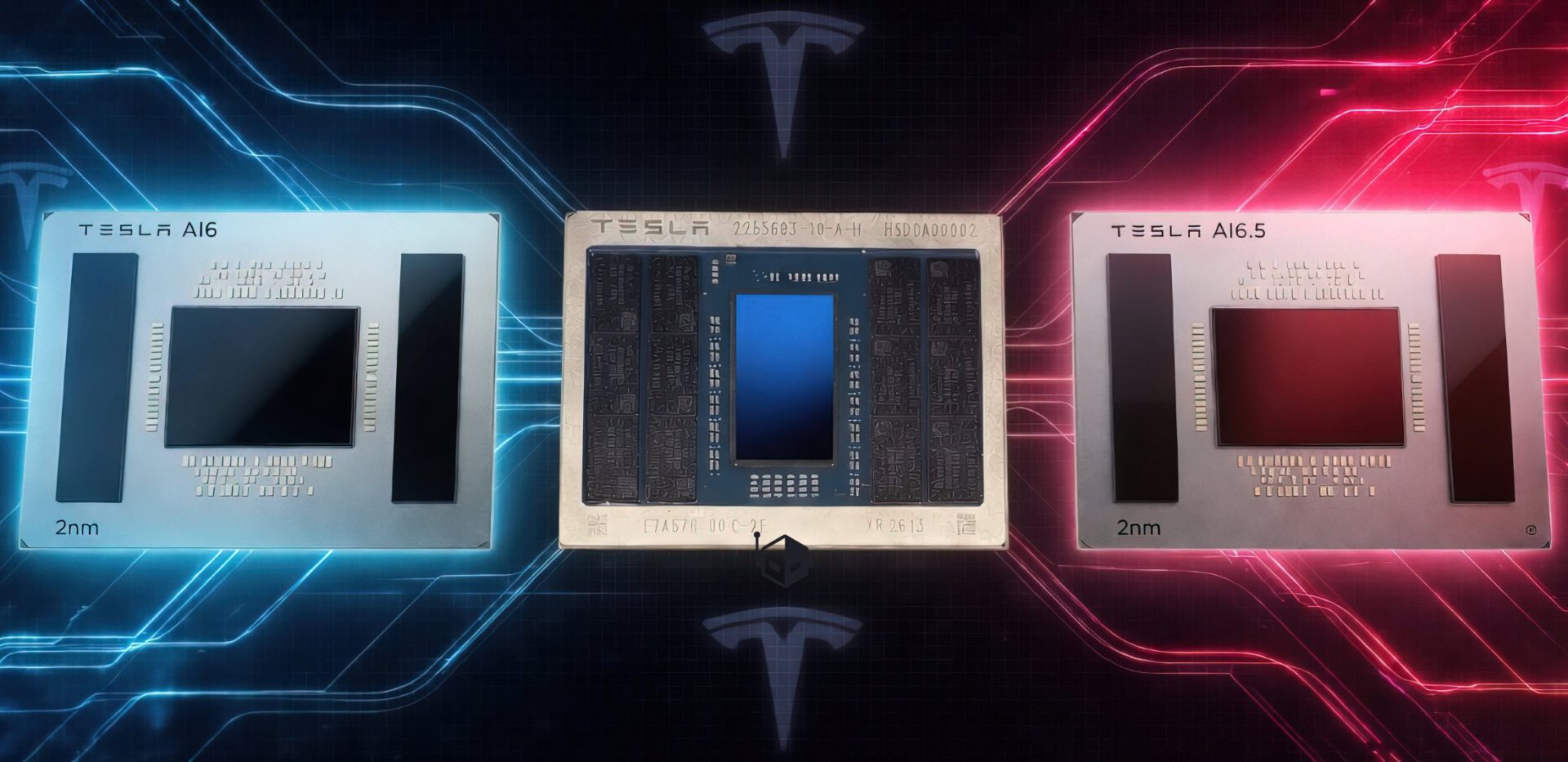
TSMC is poised to reallocate its production priorities, potentially sidelining Apple in favor of other high-value customers like NVIDIA. The move comes as the foundry partner grapples with surging demand for AI-driven chips, which now dominate its revenue streams. This shift could reshape the dynamics between TSMC and its long-standing partner, Apple.
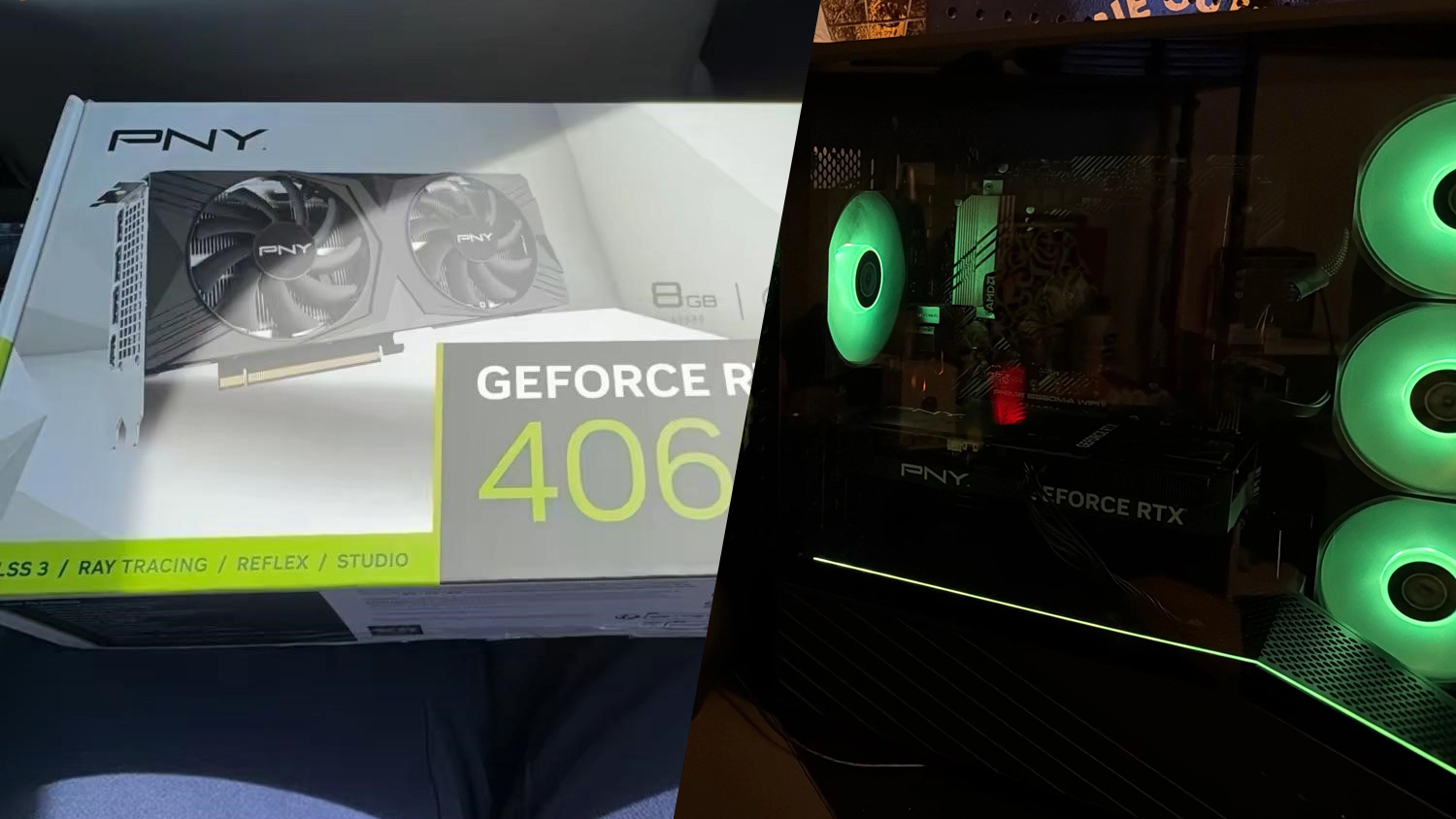
TSMC's decision to prioritize AI-related production is not without context. While Apple has historically been a cornerstone customer, accounting for 24% of TSMC's annual revenue in 2024, NVIDIA has since taken the lead. In 2025, NVIDIA became TSMC's largest customer, contributing 13% to its total revenue. This transition underscores the growing influence of AI in the semiconductor industry.
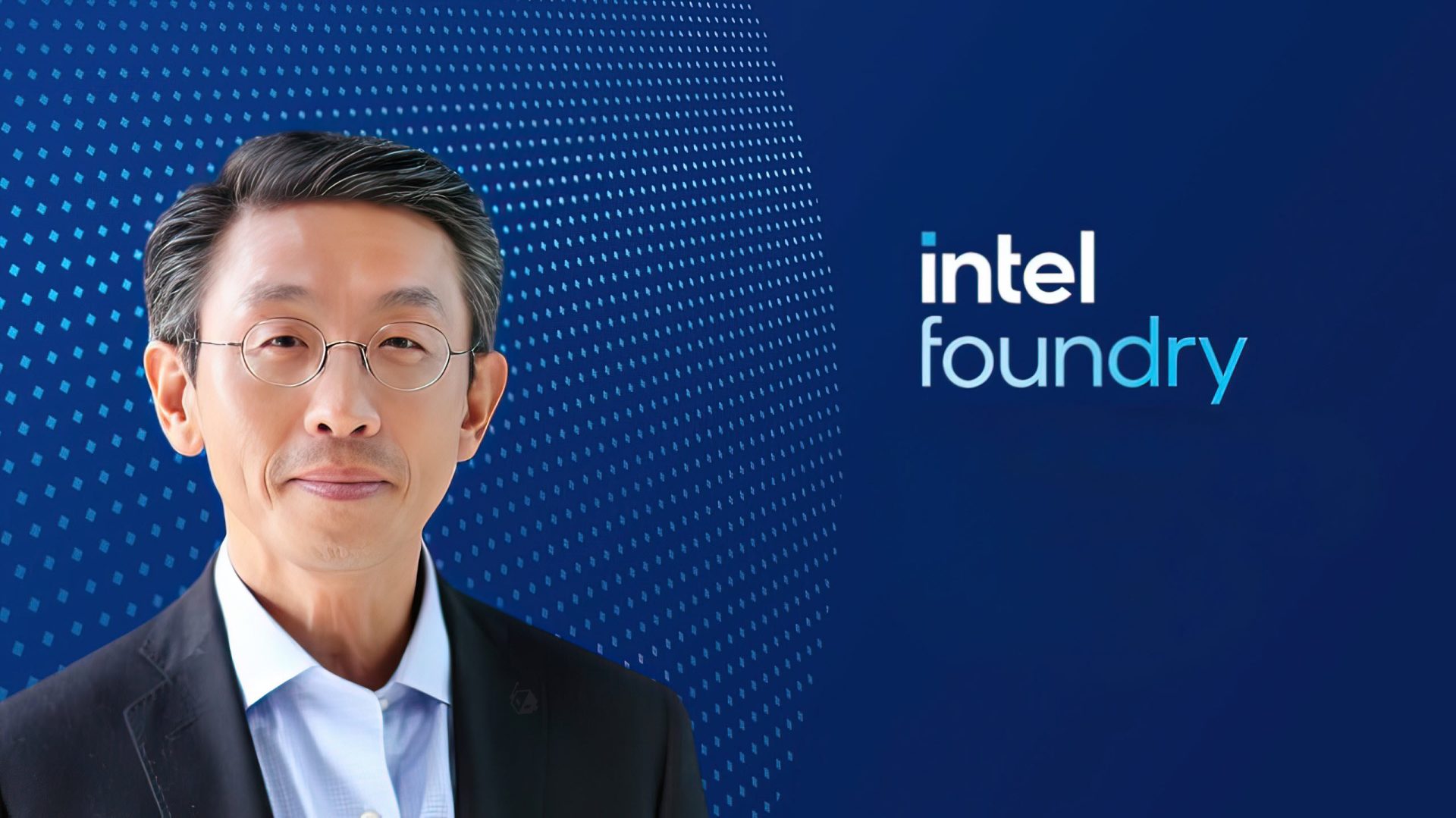
The implications for Apple are significant. The company is expected to lose its top spot as TSMC's biggest customer, which could impact its production timelines and costs. Reports suggest that TSMC CEO C.C. Wei recently visited Apple's headquarters to discuss a substantial price increase, further indicating a shift in their relationship. This comes at a time when TSMC is facing tight supply of 2nm wafers, leading to consecutive price hikes for advanced nodes since 2026.
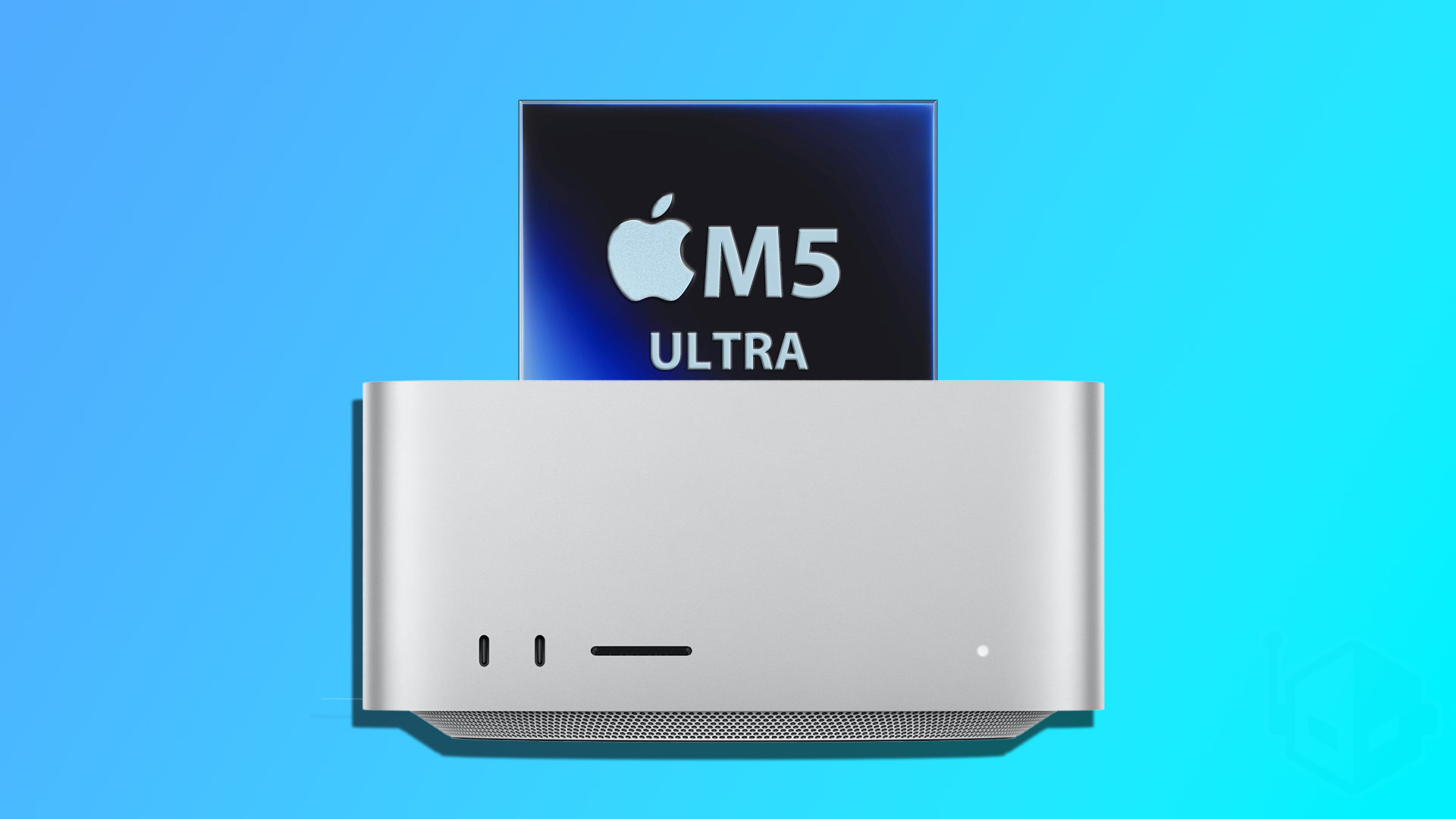
Despite these changes, Apple remains a key player in TSMC's production pipeline. The A20 SoC, slated for the upcoming iPhone 18 series, is estimated to cost $280 per unit. This figure reflects the increasing complexity and cost of advanced semiconductor manufacturing. Additionally, the 2nm node has seen a surge in tape-outs, with demand outpacing that of the 3nm node by 1.5 times.
Looking ahead, TSMC's capital expenditure is set to reach unprecedented levels, with estimates ranging from $52 billion to $56 billion this year. This investment will likely be directed toward AI-related projects, further solidifying NVIDIA's position as a priority customer. However, Apple remains a significant to TSMC's revenue, and the foundry partner may need to balance its production priorities to accommodate both high-value and long-standing customers.
The shift in TSMC's production priorities is a testament to the evolving landscape of the semiconductor industry. As AI continues to drive demand for advanced chips, companies like NVIDIA are poised to benefit from this growth. Meanwhile, Apple must navigate these changes while maintaining its position as a key player in the market.