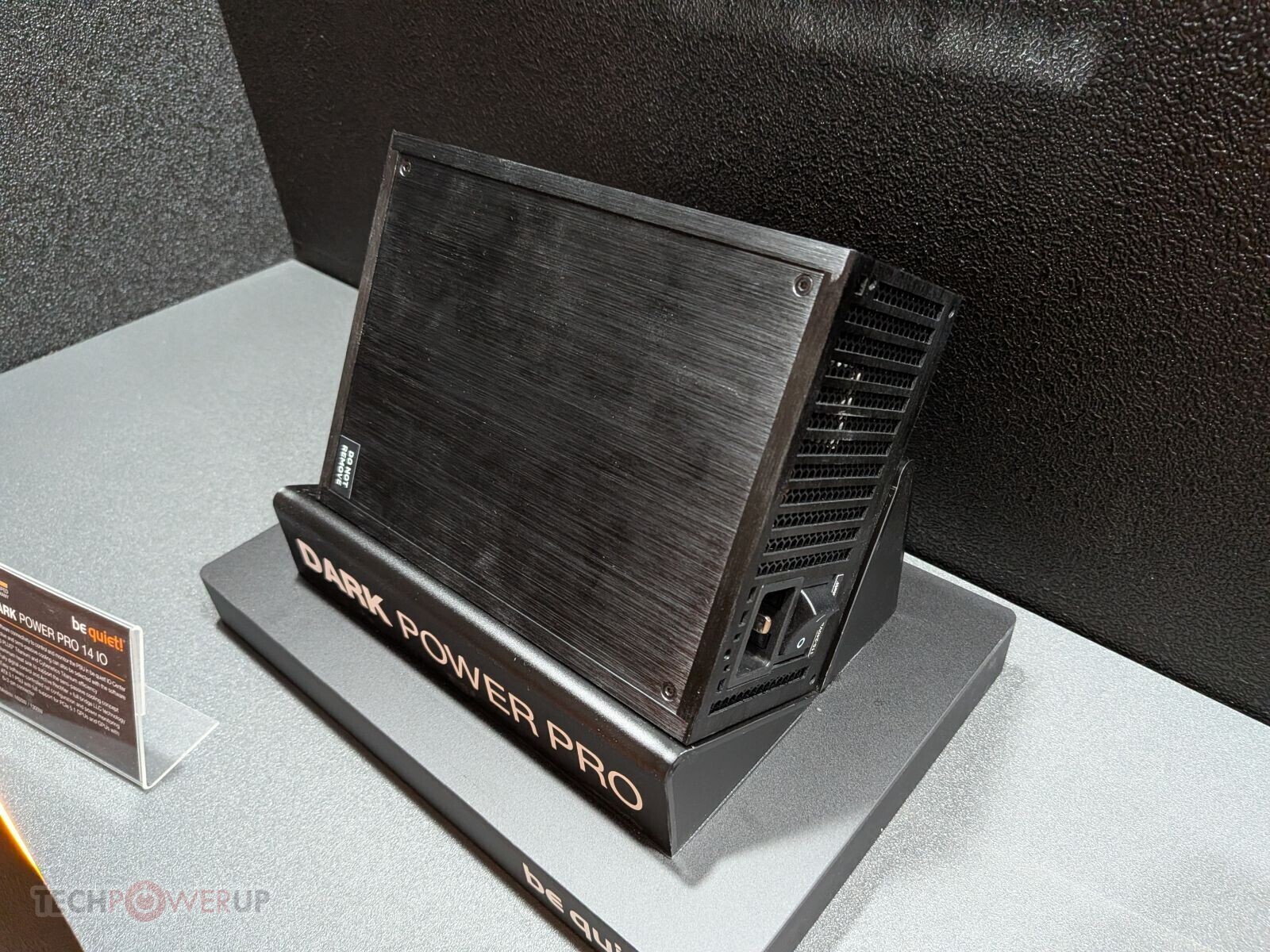
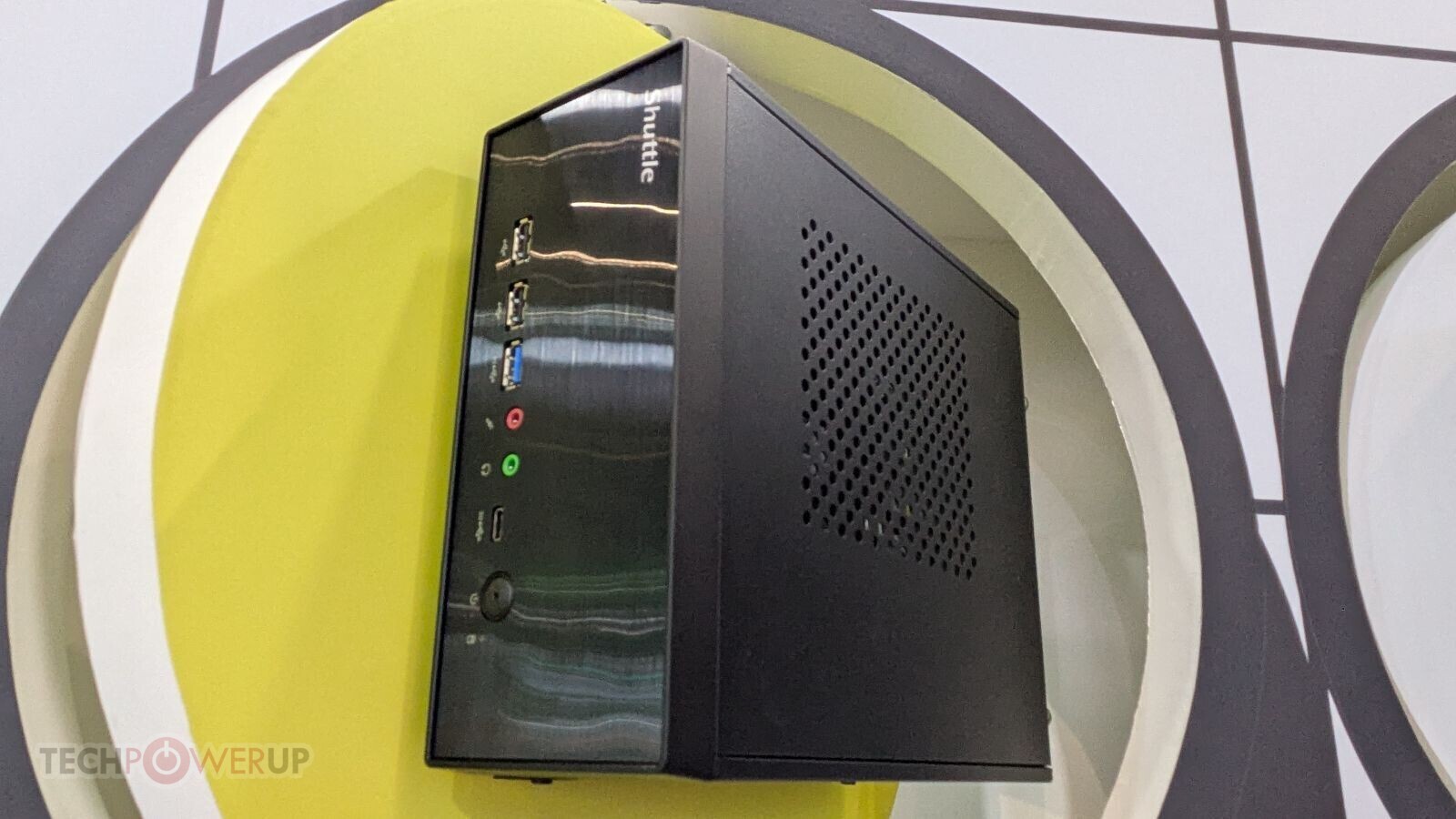
At a recent industry event, a breakthrough in on-premise AI processing was demonstrated through two distinct but complementary products. One device extends the effective memory of existing PCs by integrating high-speed flash storage directly into workflows, while another offers a scalable, RAID-capable Thunderbolt 5 enclosure for creative production environments.
The first product, an AI accelerator and storage hub, connects via a single Thunderbolt 5 cable to transform how businesses handle large-scale AI workloads. By effectively increasing available memory through flash-based storage—rather than relying on traditional RAM—it allows users to run complex models, fine-tune applications, and conduct multi-turn sessions without performance degradation or cloud dependency. This approach eliminates per-token billing for cloud processing, positioning it as a long-term cost-saving solution compared to recurrent cloud expenses.
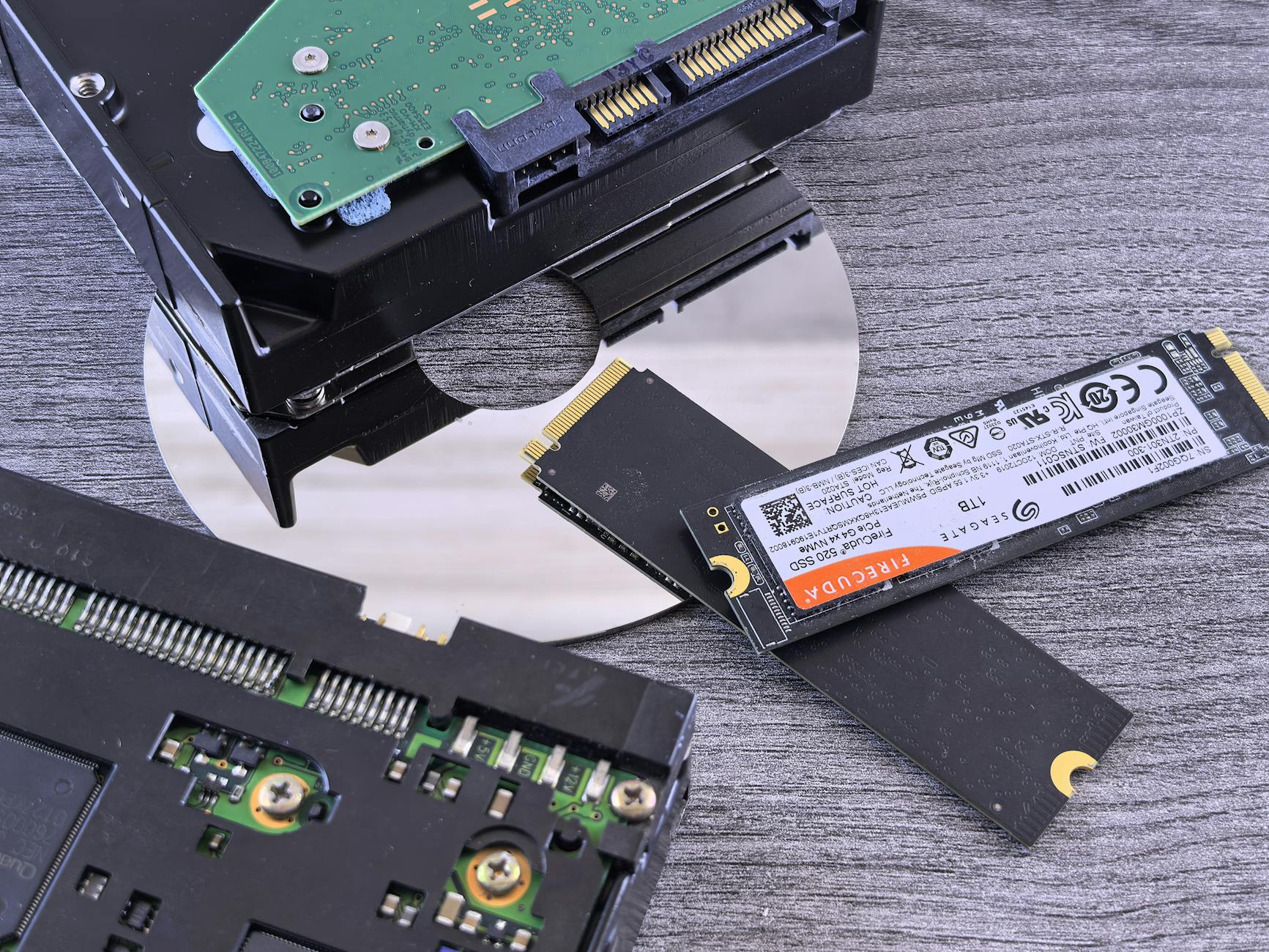
The second innovation is a four-slot M.2 NVMe RAID enclosure designed for high-bandwidth workflows. Supporting up to four Gen 4 x1 M.2-2280 SSDs, it delivers sequential transfer speeds of 1.6 GB/s and peak performance of 6622 MB/s. A standout feature is its support for daisy-chaining multiple enclosures over a single 80 Gbps Thunderbolt 5 connection, enabling organizations to scale storage capacity without sacrificing speed or complexity.
Both products are now available at $400 per unit, targeting small businesses and creative studios that require robust local processing power. The AI accelerator is compatible with OpenClaw, reinforcing its integration into existing workflows, while the enclosure’s RAID configurations (0/1/4/5/10) and JBOD support provide flexibility for data redundancy and performance tuning.
For businesses prioritizing data sovereignty and cost efficiency, these products offer a shift away from cloud-reliant AI processing. The combination of expanded on-premise memory and scalable, high-speed storage addresses key pain points: latency, recurring costs, and the need for secure handling of sensitive data. As Thunderbolt 5 adoption grows, such solutions may redefine the balance between local performance and cloud dependency.