The iPhone 18 Pro is set to introduce a slight battery capacity bump compared to its predecessor, but industry insiders suggest this small change could mask more significant engineering adjustments—particularly around how the device handles data-heavy tasks. The shift hints at Apple’s ongoing focus on optimizing runtime for AI-driven workflows without necessarily adding more power.
On the surface, the iPhone 18 Pro appears to follow a familiar pattern: a minor increase in battery capacity, enough to suggest incremental improvements rather than a major leap. However, leaked details point to a nuanced approach where Apple is fine-tuning internal components—likely including memory bandwidth and processor efficiency—to squeeze more performance from the same power footprint.
What might users expect?
One common assumption is that a larger battery would directly translate to longer runtime, especially for demanding applications like video editing or AI model inference. While this remains true in some scenarios, the real story appears to be about balancing power consumption across different workloads. For example, non-eSIM variants may see slightly better endurance in daily use, but the gains won’t be dramatic unless other optimizations—such as improved background task management—are also at play.
What’s actually changing?
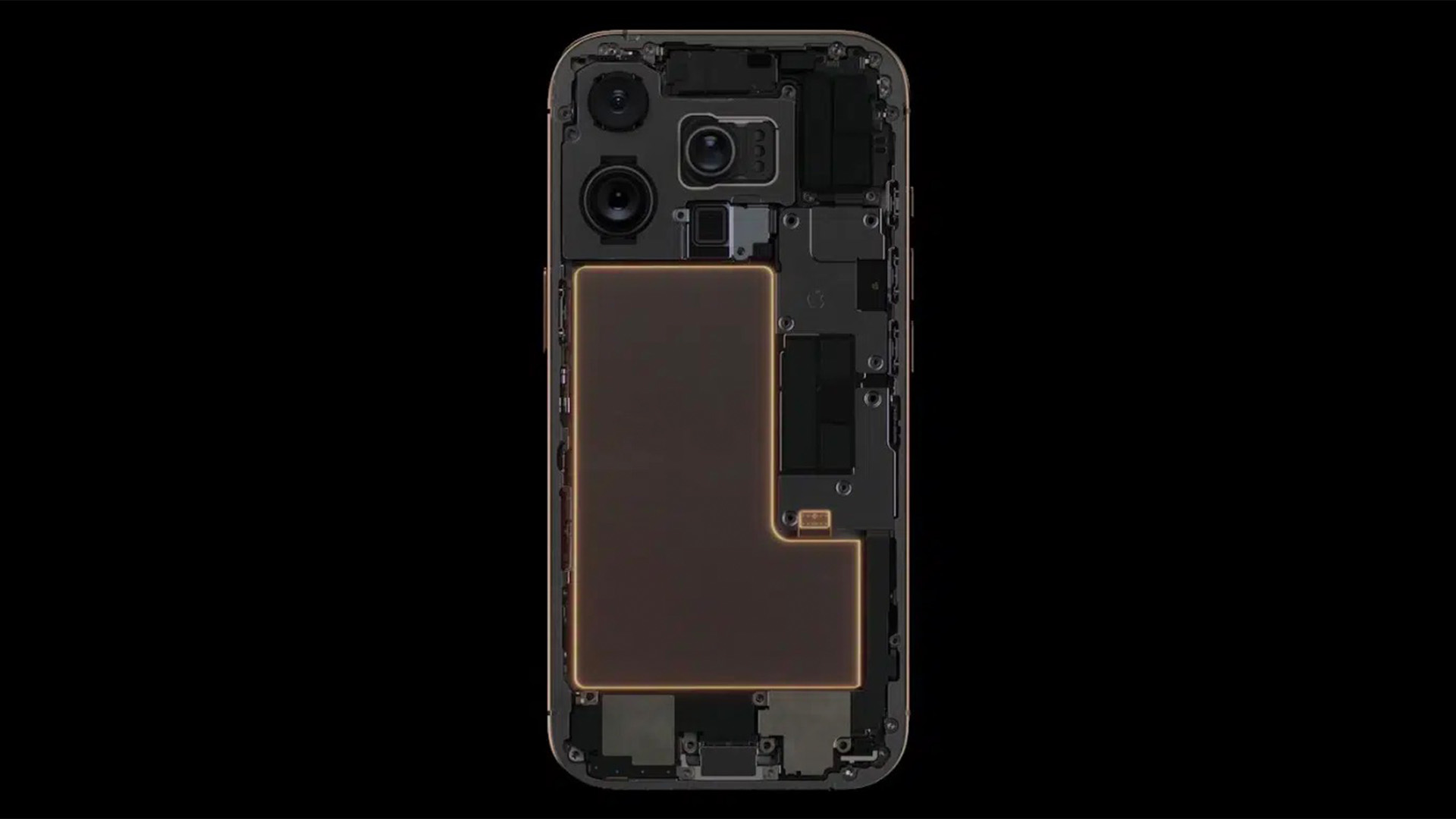
- Battery capacity: A small increase compared to the iPhone 17 Pro, with non-eSIM and eSIM variants likely differing slightly in total mAh output (exact figures still under wraps).
- Memory bandwidth: Speculation points to potential upgrades in RAM speed or capacity, which could benefit AI workloads without significantly impacting battery life.
- Processor efficiency: Rumors suggest Apple is refining its chip design to reduce power draw during sustained tasks, a critical factor for users running complex models on-device.
The combination of these tweaks suggests Apple is prioritizing real-world efficiency over raw performance metrics. This approach aligns with broader industry trends where developers increasingly rely on optimized frameworks rather than brute-force hardware upgrades to handle AI tasks. For end-users, the result may be subtle but meaningful: slightly longer runtimes in daily scenarios, particularly when switching between power-hungry applications.
However, the lack of a more substantial battery jump also implies that Apple is betting on software-level optimizations—such as improved memory management or background process handling—to deliver the bulk of performance gains. This could mean future iOS updates play an even bigger role in runtime improvements than hardware alone.
The iPhone 18 Pro’s availability and final specifications remain unconfirmed, but leaks suggest a focus on refining existing capabilities rather than introducing radical new features. For users who prioritize AI workloads, the device may offer a more balanced experience—longer battery life in everyday use, paired with better performance under load—without the trade-offs often seen in high-end hardware pushes.