A pocket-sized power bank that crams 20,000mAh into a package small enough to tuck beside your phone is redefining what users expect from portable power. The shift reflects broader trends in efficiency—where size no longer dictates capability, but clever engineering does. Yet, as with any compact solution, the compromises are worth noting.
From Bulky to Barely There
The 20,000mAh capacity remains unchanged, but the form factor has. Earlier iterations of this power bank prioritized raw output over portability, often weighing in at around 350 grams or more. The new version trims that down to just 180 grams—less than half—while maintaining the same energy reserve. That’s the upside: a device that fits snugly into a jacket pocket without sacrificing runtime.
- Capacity: 20,000mAh (unchanged)
- Weight: 180 grams (down from ~350 grams)
- Output: 4.8V/3A (fast-charging compatible)
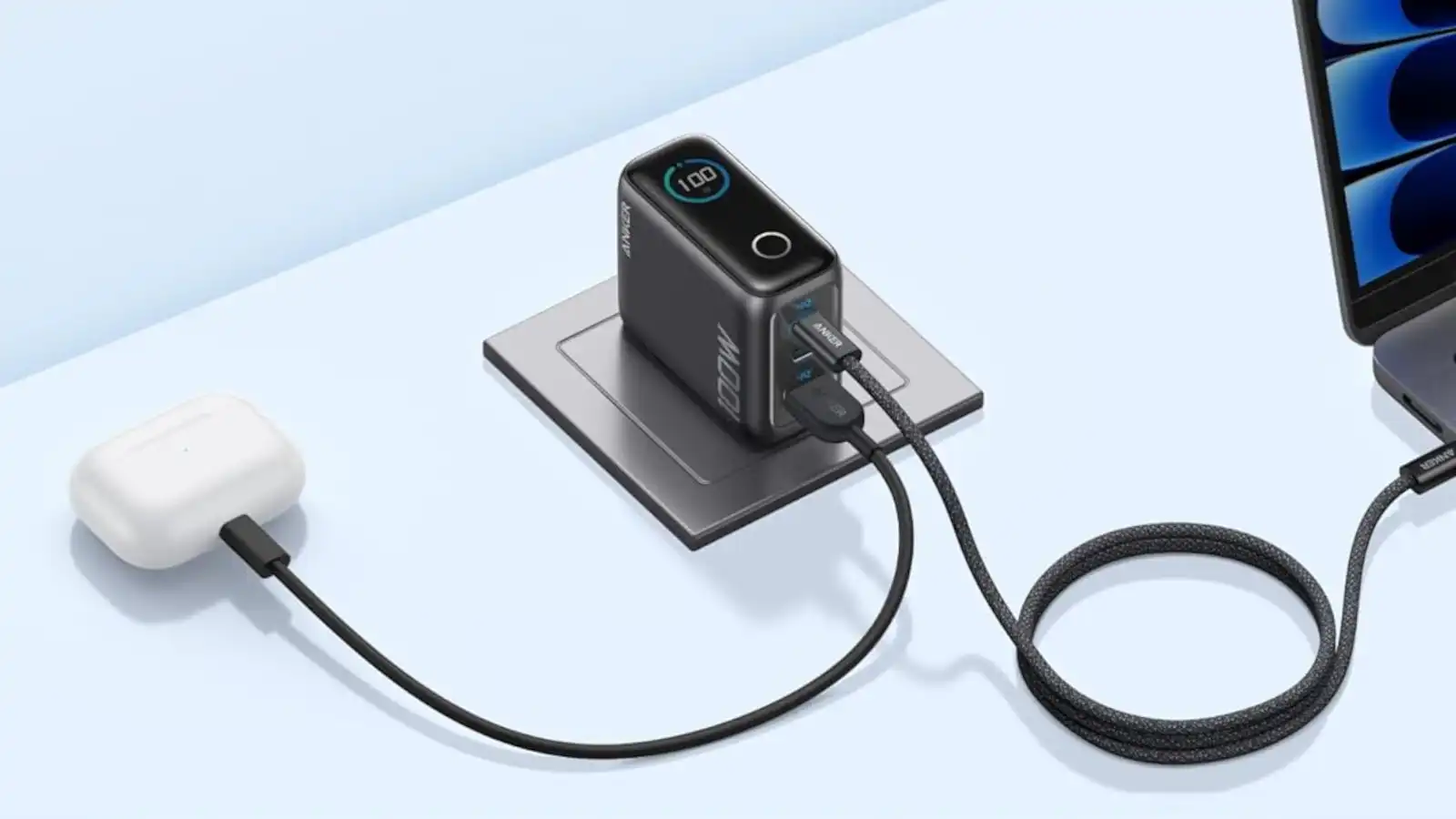
- Cable: Built-in USB-C, 6 feet long
The built-in cable is a notable addition, eliminating the need for an extra accessory. However, its length—six feet—may not suit every use case, especially for those who prefer shorter connections or travel-friendly compactness.

Where the Trade-Offs Lie
Portability comes at a cost beyond weight. The smaller footprint can limit battery cooling, which may affect longevity under sustained high loads. Users pushing multiple devices simultaneously might find the single 3A port restrictive compared to multi-port alternatives that prioritize versatility over size.
That’s the catch: this power bank excels in one-dimensional scenarios—recharging a single device on the go—but struggles when demands diversify. For those who need to juggle tablets, laptops, or multiple gadgets at once, the single-port design feels increasingly outdated.
A Glimpse of What’s Next
This iteration signals a broader move toward miniaturized power solutions, where capacity and convenience are no longer mutually exclusive. Yet, the question remains: can this trend sustain without sacrificing key features like cooling or multi-device support? Early adopters suggest it can for light users, but heavy workloads may still require the older, bulkier models.
The $38 price point makes it an attractive option for casual users and travelers who prioritize pocketability over powerhouse performance. For those with more demanding needs, the trade-offs are harder to justify. The balance between size and capability is shifting, but not without friction.