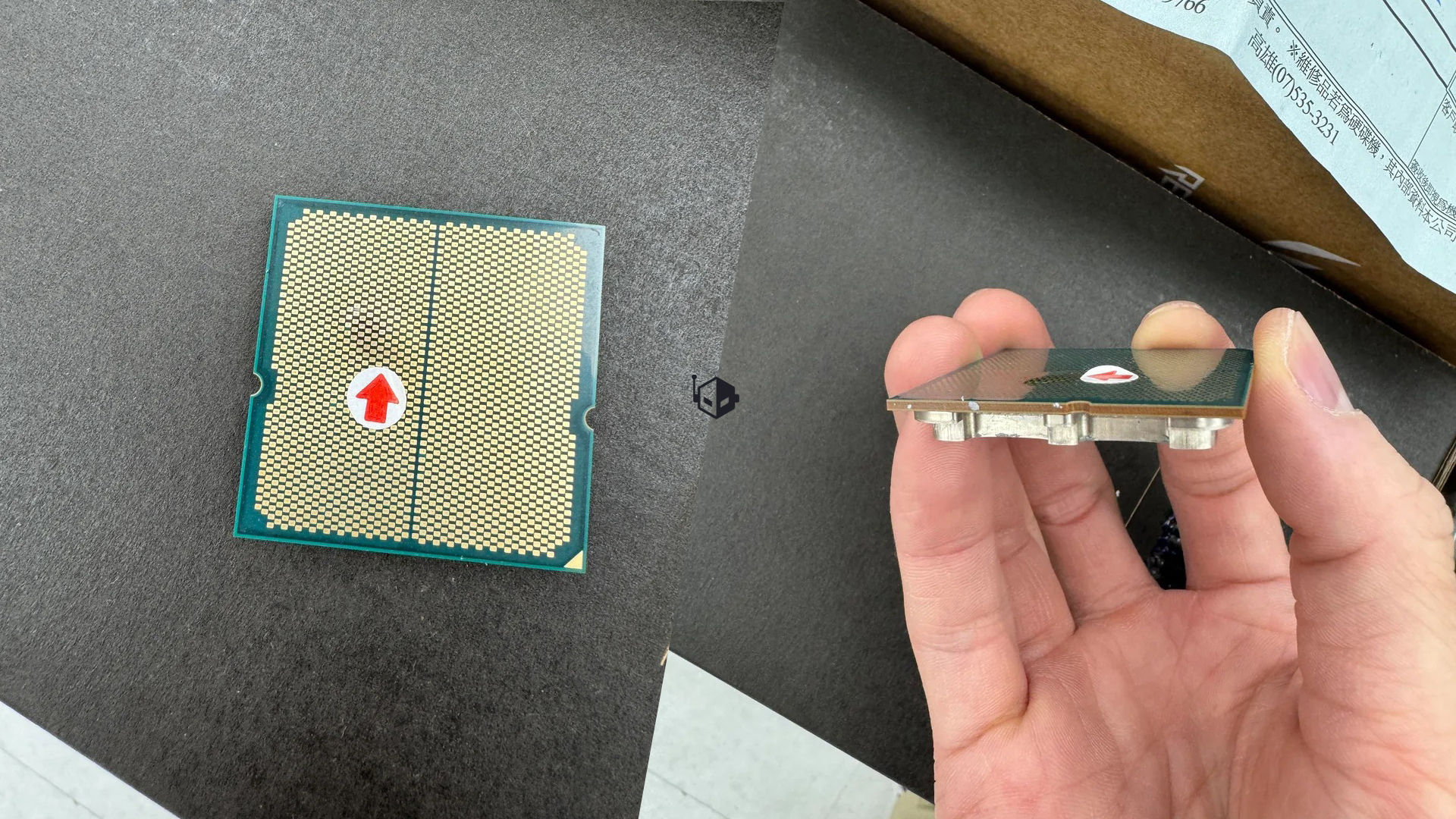
AMD's AM4 platform has defied expectations for a decade, and a new variant of the Ryzen 7 5800X3D could stretch that timeline further—but not without consequences.
The upcoming processor promises sustained high performance in gaming, thanks to its 3D V-Cache technology. However, it also introduces a critical question: how long can AM4 motherboards and power delivery systems keep up with the demands of next-generation workloads? The answer may hinge on whether users are willing to accept potential stability risks for the short-term benefit of extended upgrade cycles.
Key specs include an 8-core, 16-thread configuration running at 4.5 GHz base clock and a boost clock of up to 4.7 GHz. The 3D V-Cache adds a significant 96 MB of L3 cache, which has been shown to deliver substantial performance improvements in gaming benchmarks. However, the processor's TDP of 120 watts means it will require robust cooling and power delivery to avoid thermal throttling or system instability.

- Core/Thread Configuration: 8 cores, 16 threads
- Base Clock: 4.5 GHz
- Boost Clock: Up to 4.7 GHz
- Cache: 96 MB L3 (3D V-Cache)
- TDP: 120 watts
- Platform Support: AM4 socket, PCIe 4.0
The Ryzen 7 5800X3D's focus on gaming performance is evident in its design, but it also raises questions about its longevity. While the AM4 platform has proven resilient, newer platforms like AM5 offer better power delivery and future-proofing. Gamers considering this processor must decide whether the short-term gains justify the potential long-term risks of sticking with an older platform.
For those already invested in AM4, the 5800X3D offers a compelling upgrade path—assuming their motherboard and cooling solutions can handle the increased power demands. However, users should be cautious about pushing the limits of their current hardware, as stability issues may arise over time. The real test will be how well AMD's ecosystem supports this processor in the long run.
Availability remains unconfirmed, but if it follows past trends, it could hit shelves within the next few months. For now, gamers should keep an eye on benchmarks and stability reports to make an informed decision about whether the 5800X3D is worth the wait—or if newer platforms are a better long-term investment.