Sodium-ion batteries aren’t just a safer alternative to lithium—they could also be faster and cheaper to produce. Unlike lithium-ion cells, which rely on graphite and cobalt, sodium-ion designs use hard carbon and aluminum oxide, reducing manufacturing complexity. This means factories could churn out batteries at a fraction of the current cost, potentially slashing prices for everything from electric vehicles to portable chargers.
The environmental benefits extend beyond mining. Sodium is the sixth most abundant element on Earth, and seawater contains enough of it to meet global demand indefinitely. No more lithium shortages, no more geopolitical scrambles over battery supply chains. Even the charging process becomes more efficient: sodium-ion cells lose less energy as heat, meaning faster top-ups and longer battery life in devices.
What’s still holding it back?
For all its promise, sodium-ion tech isn’t ready to replace lithium-ion overnight. The Tokyo University of Science’s prototype achieves high performance in lab conditions, but scaling it up for mass production will require overcoming engineering hurdles. Battery manufacturers will need to redesign charging circuits, update safety protocols, and convince consumers to switch from a proven technology.
Then there’s the question of performance. While sodium-ion batteries match lithium-ion in some areas, they currently lag in energy density—meaning less power per kilogram. For now, they’re better suited for grid storage or budget devices than high-end laptops or smartphones. But if researchers can boost capacity, the shift could accelerate.
Upgrade checklist: What changes if sodium-ion takes off?
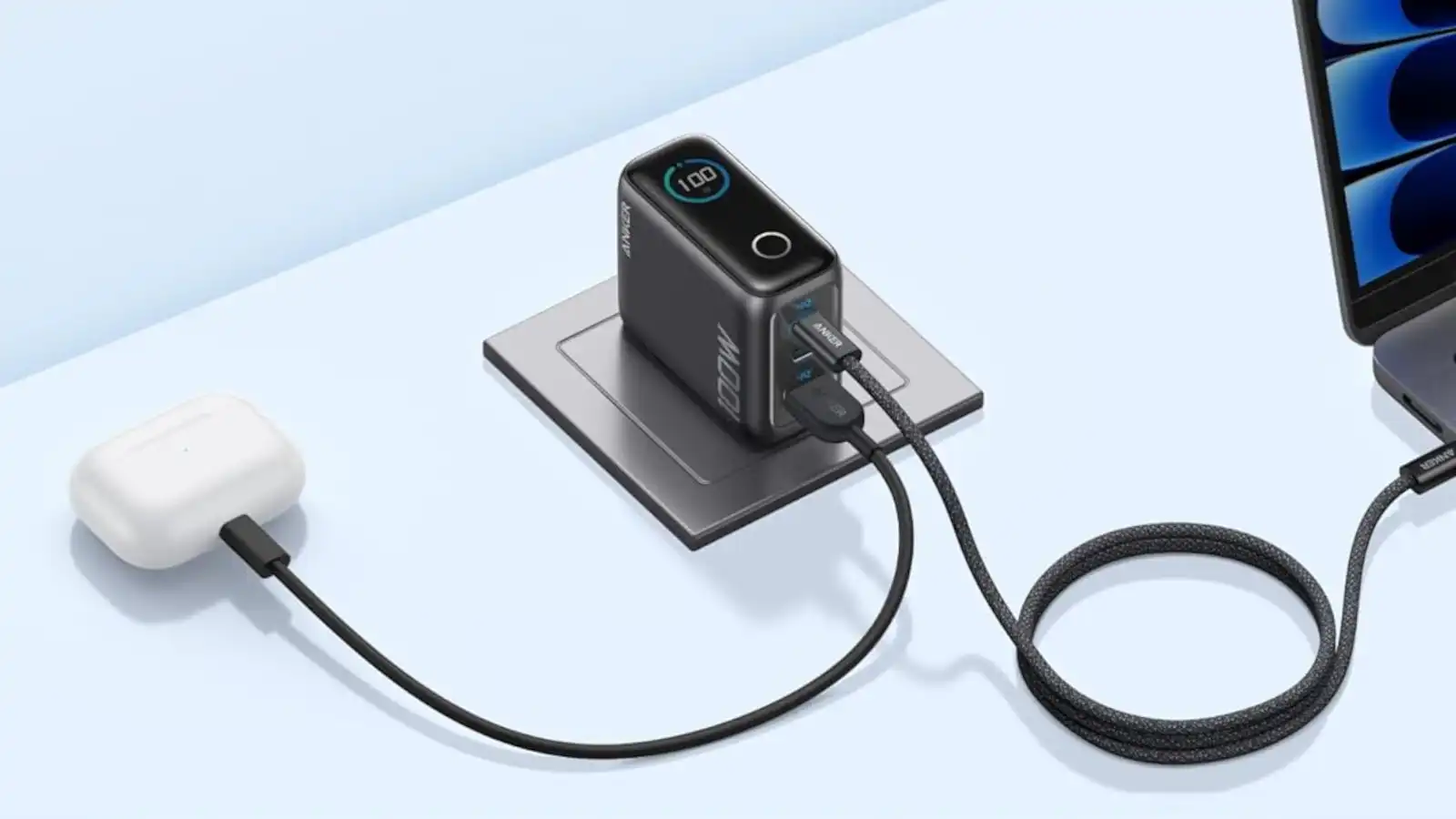
- No more charging bans on planes. Airlines could lift restrictions on external power banks in carry-ons, making long-haul travel less of a hassle.
- Cheaper electric cars. Lower production costs might reduce the price of EVs, making them accessible to more buyers.
- Faster-charging laptops. Sodium-ion batteries could enable quicker top-ups without the same fire risks as lithium.
- More sustainable tech. No more reliance on cobalt or lithium mining, reducing environmental damage.
- Longer-lasting batteries. Less energy lost as heat means devices could retain charge for longer.
The real takeaway? This isn’t just an upgrade—it’s a potential overhaul of how we power our world. If sodium-ion batteries live up to their potential, they could make energy storage safer, cheaper, and more sustainable. But don’t expect to see them in your phone next year. The transition will take time, and lithium-ion won’t disappear without a fight.
The race is on, though. Governments and tech giants are already investing in sodium-ion research, betting that the future of batteries isn’t just lighter, it’s smarter—and safer.