The decline is measured in fractions. A major German PC retailer reports CPU and motherboard sales now sit at roughly one-third of their peak from twelve months ago. The numbers are stark, but the implications ripple far beyond retail shelves.
This isn’t just a drop in demand; it’s evidence of a strategic realignment in how hardware is built, bought, and locked into platforms. For enterprises, the shift demands a closer look at what’s driving the change—and whether their next investment still aligns with the old rules.
At a glance
- Sales drop: CPU and motherboard sales are down to about 34% of year-ago levels, according to a leading German retailer’s data.
- Platform lock-in: The decline reflects broader moves toward integrated components and pre-assembled systems, reducing the need for discrete upgrades.
- Enterprise impact: Buyers must weigh long-term compatibility against immediate cost savings, as modular flexibility fades in favor of sealed or soldered designs.
- Market shift: The trend mirrors global trends where DIY PC assembly is giving ground to OEM-controlled configurations, altering supply chains and support models.
The numbers come from a retailer that tracks sales across both consumer and business segments. While gaming and enthusiast markets have faced their own cycles, the drop is more pronounced in mid-range and professional-grade components—precisely where enterprises typically invest. The implication is clear: the ecosystem is moving toward configurations that prioritize stability over upgradeability.

From modular to integrated
- Memory: 32 GB DDR5, clocked at up to 6000 MHz in dual-channel setups (up from previous-gen limits).
- Storage: PCIe 4.0 NVMe slots with support for 1 TB–4 TB capacities, though some newer models are shipping with soldered-on storage.
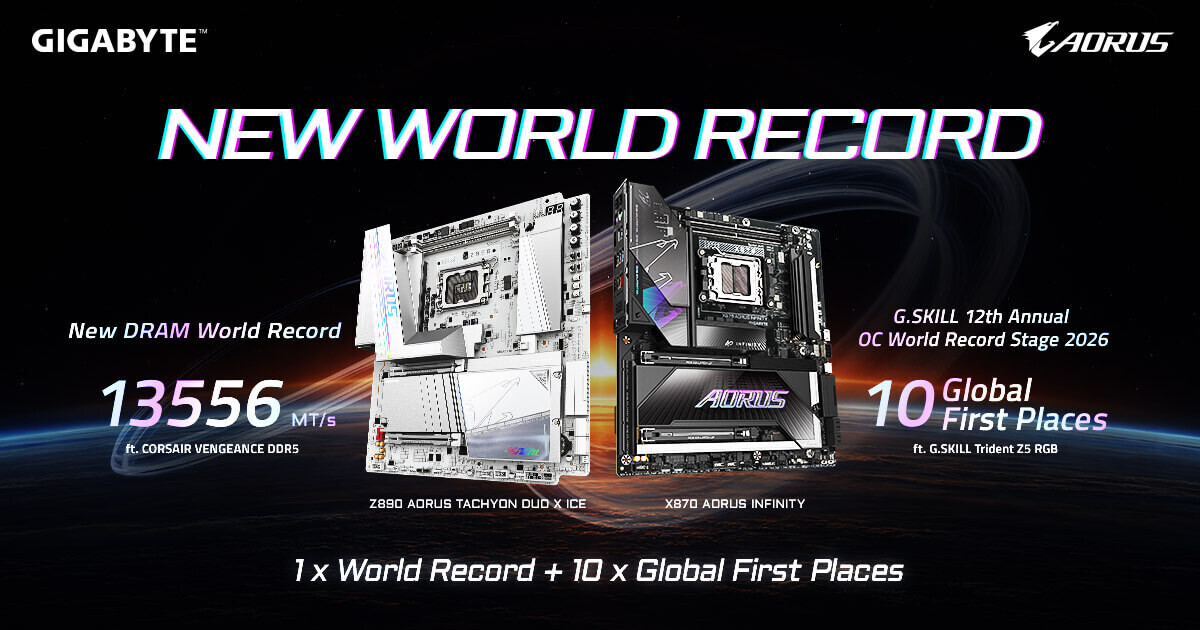
- Chipset: Intel’s 13th Gen (Raptor Lake) and AMD’s Ryzen 7000 series dominate, but motherboard options are shrinking as manufacturers consolidate around a smaller range of reference designs.
Enterprises used to count on the ability to swap out CPUs or upgrade memory when needs changed. Today, that flexibility is eroding. More systems arrive with soldered RAM, non-upgradable storage, and chipsets that lock buyers into specific vendor ecosystems. The trade-off is cost: upfront prices may be lower, but the total cost of ownership rises when a three-year refresh becomes a five-year commitment.
Why it matters now
- Lock-in: Newer platforms from Intel and AMD favor proprietary cooling interfaces (e.g., FCLGA1700 vs. LGA1200) that force hardware replacements rather than upgrades.
- Supply chain: OEMs are increasingly sourcing components in bulk, reducing the need for aftermarket motherboards and memory kits.
- Support models: Extended warranties now often require system-level purchases rather than component-based coverage, shifting risk from buyer to vendor.
The shift isn’t just about hardware; it’s about control. Vendors are consolidating influence over the entire stack—from BIOS updates to driver support—making it harder for enterprises to mix and match components across refresh cycles. The result is a quieter form of lock-in: one where the platform dictates not only performance, but also compatibility with future software and firmware.
Looking ahead
The decline in discrete sales isn’t irreversible, but the momentum is clear. Enterprises that still value modularity must act quickly to secure components before the remaining options vanish. For those prioritizing cost and stability over upgrade paths, the new ecosystem may already feel like home—even if it’s not the one they built.