The price of a gaming PC has shifted dramatically. What once cost $800 now demands closer to $1,250 for comparable performance—a stark reminder that the hardware landscape has changed. The challenge isn’t just about finding components; it’s about assembling them in a way that stretches every dollar without sacrificing reliability.
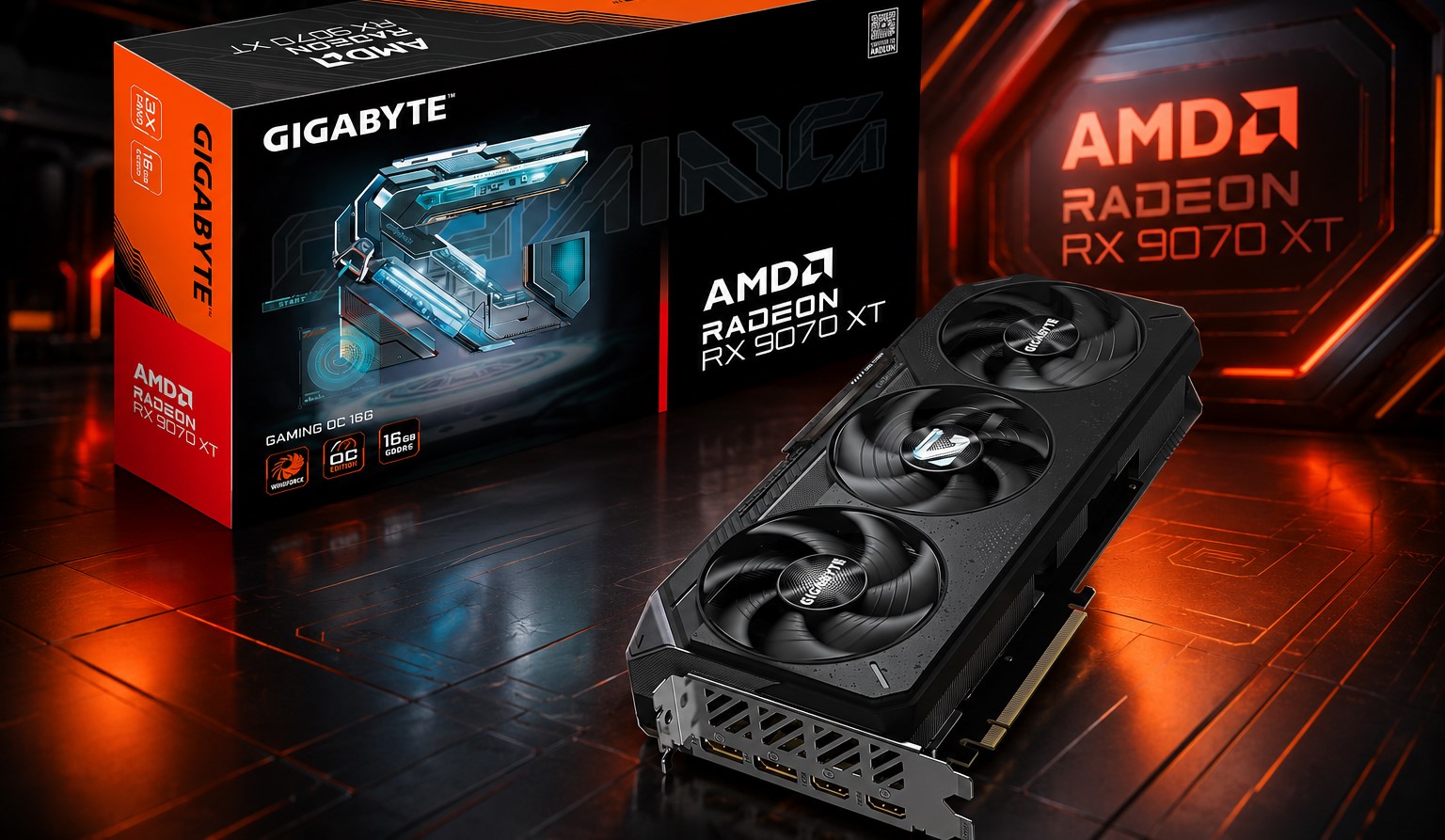
Take a recent attempt to build a mid-range gaming system: a six-core, 12-thread CPU paired with an RTX 5060 GPU, 32GB of DDR5 RAM, and a 1TB SSD. Add in a case, power supply, and cooling, and the total balloons to well over $1,200—even with sales tax. Pre-built systems offer little relief, often locking buyers into proprietary configurations or weaker power supplies unless they happen to live near a retailer like Micro Center, where a slightly upgraded pre-built with an RTX 5060 Ti might still hit $1,000.
So how do you build a PC that doesn’t leave you questioning every purchase? The answer lies in three key adjustments to traditional strategies.
1. Bundle Smart, Not Just Fast
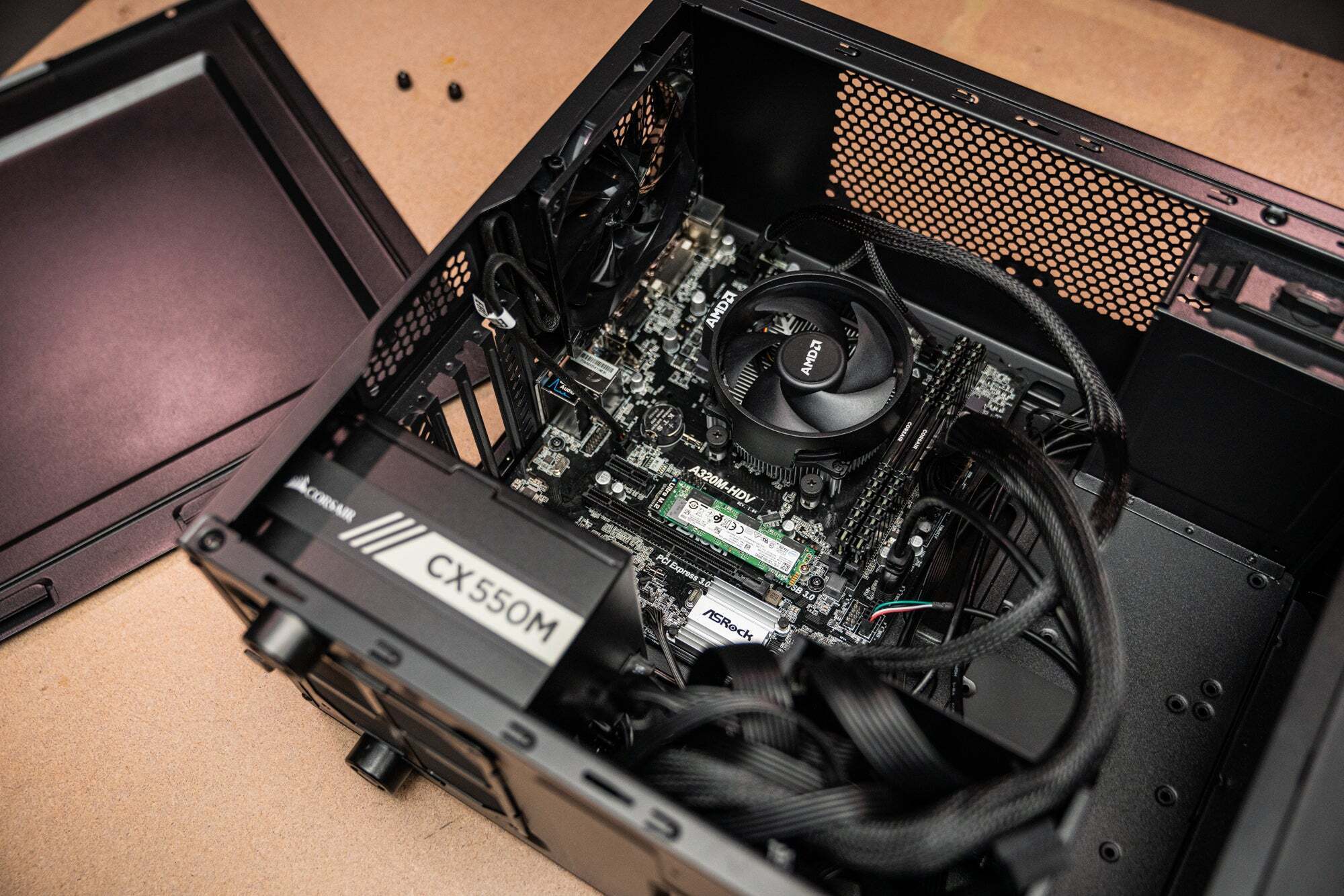
Motherboard and RAM bundles have become a lifeline for budget builders. These packages often slash costs by bundling two DIMMs of memory—sometimes for the same price as a single stick purchased separately. Recent deals have included DDR5-6000 kits, offering speeds that would otherwise require paying a premium. The catch? Patience. Instead of rushing to buy everything at once, wait for the right bundle to appear, then fill in the gaps with other components when prices dip. Deal-hunting sites and Reddit communities dedicated to PC sales can help track these opportunities.
2. Embrace Older, High-Performance CPUs
Intel’s 12th to 14th-gen processors (Alder Lake, Raptor Lake, and Raptor Lake Refresh) remain strong contenders for budget builds, especially if paired with motherboards that support both DDR4 and DDR5. This flexibility allows builders to upgrade memory later if needed, extending the lifespan of the system. Used markets can also offer significant savings, provided the hardware is tested and reliable. AMD’s Ryzen 7 9850X3D and Ryzen 9 9950X3D, while premium, demonstrate that even high-end CPUs can be part of a balanced approach—if budget allows.
3. Reject the ‘All-at-Once’ Mentality
Depreciation has slowed to a crawl in consumer hardware. Instead of chasing the latest releases, focus on assembling components over time. Buy the motherboard-RAM bundle when it’s discounted, then wait for a GPU or storage deal to emerge. This method requires discipline but ensures no single purchase feels like a gamble. The goal isn’t to rush; it’s to build a system that meets needs without overpaying.
This isn’t just about cutting costs—it’s about rethinking what a ‘gaming PC’ requires. A few years ago, 32GB of RAM and an RTX 5060 were considered reasonable for casual gaming. Today, even those specs feel stretched. The reality is that most users can’t afford to throw money at performance for the sake of it. But with careful planning, a capable machine is still within reach—just not in the way we’re used to.