For decades, DRAM contracts followed a predictable rhythm: manufacturers and buyers would lock in prices for months or even years, with quarterly adjustments to account for market shifts. But in today’s AI-driven boom, that model has collapsed. Suppliers like Samsung, SK hynix, and Micron are now demanding a radical departure from tradition—one where buyers effectively prepay for future price hikes, ensuring the manufacturers’ profits stay untouched no matter how steep the climb.
The change marks a seismic shift in how memory is traded. Where long-term agreements (LTAs) once provided stability, they now act as a gamble for customers. Under the new system, if DRAM prices spike between signing and delivery, buyers are hit with retroactive charges to cover the difference. The unspoken assumption? Prices won’t drop. With AI infrastructure gobbling up memory at unprecedented rates, suppliers are betting that demand will only accelerate, leaving them no incentive to offer discounts.
This isn’t just theoretical. Korean media reports that suppliers have slashed contract negotiation windows to just weeks, replacing quarterly reviews with near-daily volatility. The result is a market where the only certainty is higher costs. Even DDR4—once the budget-friendly workhorse of PC memory—is now seeing price jumps outpace those of DDR5, as buyers desperate for any DRAM stock drive up premiums across the board.
The AI Effect: Why Suppliers Aren’t Taking Chances
The pressure isn’t just artificial. AI data centers are consuming memory at a rate that outstrips even the most bullish forecasts. Every server rack, every GPU cluster, every neural network training cycle demands more DRAM than the last. Suppliers recognize that if they don’t secure maximum revenue now, they risk being left behind by a wave of insatiable demand.
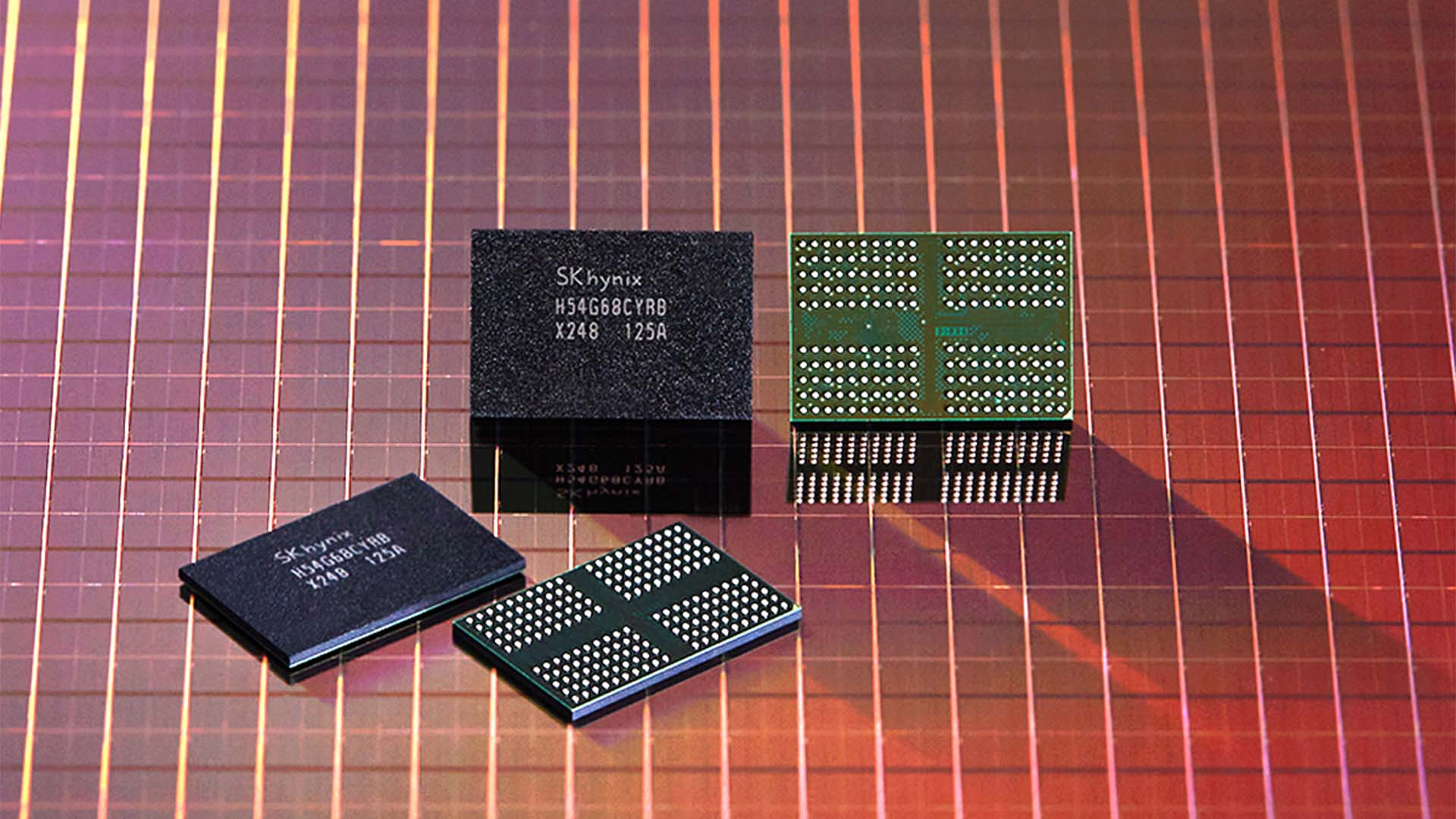
For tech companies rushing to sign LTAs, the calculus has flipped. The goal isn’t securing stable pricing anymore—it’s outbidding rivals to lock in the best possible terms before prices climb further. The race isn’t about timing; it’s about who can afford to pay the most upfront. And with DDR4 prices now rising faster than DDR5 in some markets, even older memory isn’t safe from the squeeze.
At its core, this is a market where the balance of power has shifted entirely. Suppliers no longer need to fear losing ground if prices fall; they’re structuring deals to ensure they never do. The message is clear: in the age of AI, memory isn’t just a commodity—it’s a strategic asset, and the suppliers are treating it that way.
Key Takeaways
- Post-settlement contracts: Buyers now face retroactive price adjustments if DRAM costs rise during the agreement period, eliminating supplier risk of future losses.
- Shrinking timelines: Contracts now reset every few weeks instead of quarterly, mirroring the rapid volatility in spot prices.
- DDR4 surge: Prices for older DDR4 memory are climbing faster than DDR5 in some regions, as buyers scramble for any available stock.
- AI demand driver: Data centers are consuming DRAM at record rates, with no signs of slowing, ensuring suppliers can demand premium pricing.
- No downside for suppliers: Manufacturers are confident prices will only rise, leading to contracts that guarantee profits regardless of market direction.
The fallout for consumers and businesses is already visible. From gaming PCs to enterprise servers, the cost of memory is no longer a line item—it’s a variable that’s moving against buyers. And with suppliers holding all the cards, the only question left is how high the prices will go before the market adjusts.