Apple’s bet on the iPhone Air as a premium-lite option has backfired spectacularly in China, where the phone’s single-camera setup and compromised battery life are proving to be dealbreakers for a market that demands more—not less. The **$415 price drop** to **$788** hasn’t moved the needle, leaving the Air as a niche curiosity rather than a mainstream contender.
Competitors like Huawei and Xiaomi have long dominated with multi-lens cameras and longer battery life, and Apple’s decision to cut corners on the Air—skipping a wide-angle lens, Night Mode, and even a second speaker—feels out of step with local expectations. In a country where smartphone photography is a point of pride, the Air’s **48MP single lens with 2x zoom** simply doesn’t cut it.
Even the **128GB base storage** option, paired with no 256GB choice at launch, signals a shift toward cost-cutting over premium appeal. For a market where mid-range phones often pack **256GB or more**, the Air’s storage feels stingy. And with **USB-C fast charging** as its only modern port, the phone lacks the versatility of its pricier siblings.
The iPhone Air’s failure isn’t just about specs—it’s about Apple misreading the market. While the **iPhone 17 series** thrives with **17 million sales**, the Air’s **200,000 units** suggest a product that doesn’t align with Chinese consumer priorities. The question now is whether Apple will pivot or double down on a strategy that’s clearly not working.
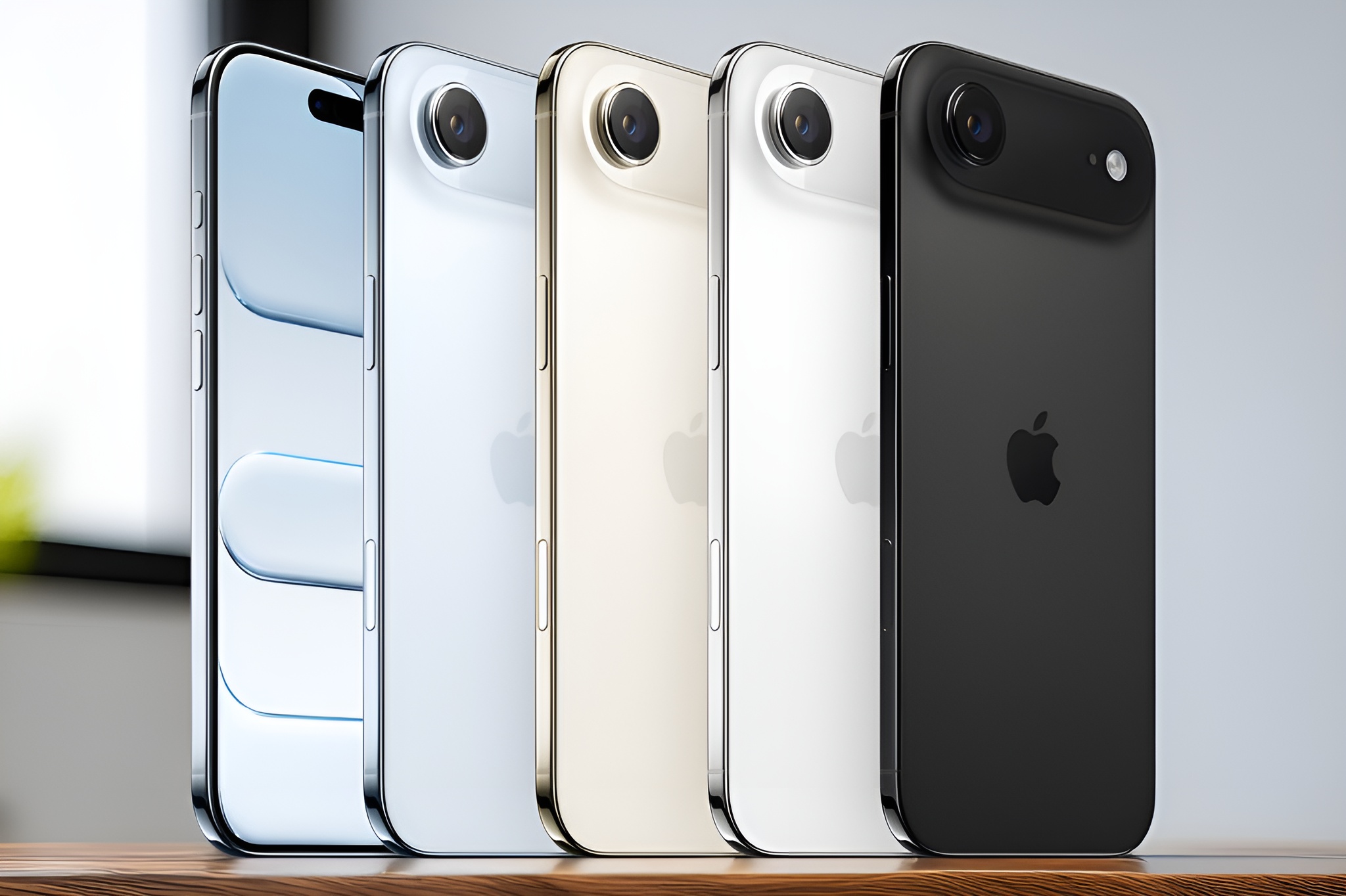
Key takeaways:The iPhone Air’s **single 48MP camera** and **no wide-angle lens** are major drawbacks in a market that values versatility.Its **$788 price** (after discounts) remains steep for a phone with fewer features than the iPhone 17.**Battery life** is a known weak point, further limiting its appeal.**Storage options** start at just **128GB**, undercutting its premium positioning.**Depreciation** is brutal—losing **47.7% of value in 10 weeks**—making resale even less attractive.
The iPhone Air was always meant to be a **6% to 8% slice of Apple’s iPhone sales**, but in China, that slice is barely visible. The phone’s struggles underscore a harsh truth: consumers here aren’t trading down for a thinner, lighter device—they’re demanding more, not less. For now, Apple’s focus remains on the iPhone 17’s success, leaving the Air as a cautionary tale in its pursuit of a slimmer, cheaper alternative.
The experiment isn’t over, but the writing is on the wall: in China, ‘Air’ doesn’t mean affordable—it means irrelevant.