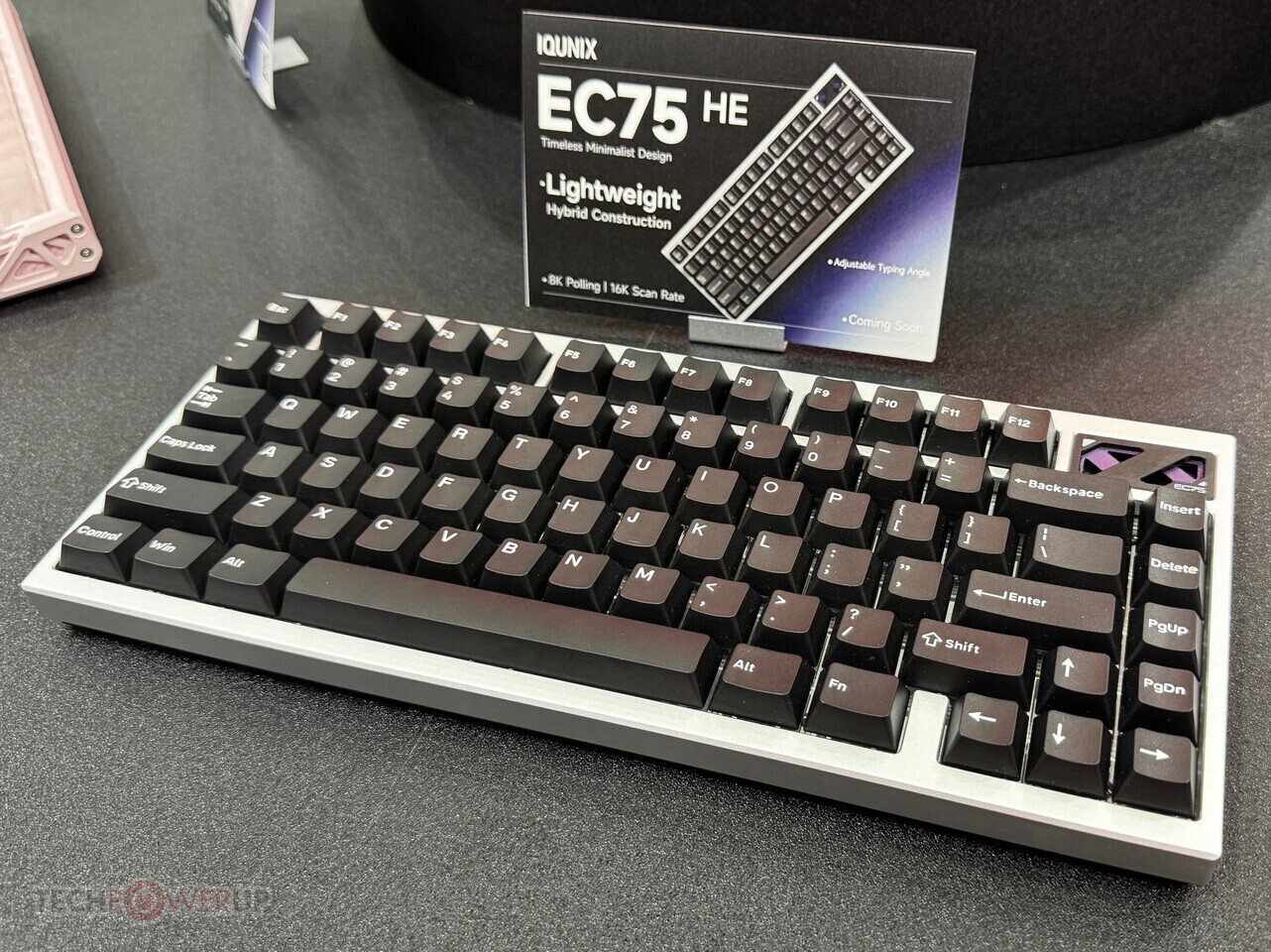
The push for rugged, long-lasting hardware in business settings is accelerating, with companies prioritizing equipment that can endure daily wear without compromising performance. At the forefront of this shift is IQUNIX's EV63 Edition, which takes durability to new heights with its Hall-effect keyboard technology.
Unlike traditional mechanical keyboards, the EV63 Edition replaces physical switches with magnetic sensors, eliminating wear from repeated use and reducing susceptibility to debris or liquid damage. This design choice extends the device's lifespan while maintaining input precision. The keyboard features a 104-key layout, complete with a numeric keypad and navigation cluster, housed in an aluminum frame and polycarbonate shell for added resilience.
- Hall-effect technology eliminates mechanical wear, enhancing longevity
- 104-key design with numeric keypad and navigation cluster
- Aluminum frame and polycarbonate shell for impact resistance
- Response time under 2 milliseconds for near-instant feedback
- Customizable backlighting with adjustable brightness levels
The EV63 Edition is not the first to adopt Hall-effect technology, but its integration into a full-sized keyboard with a comprehensive key layout sets it apart. The device's rapid response time and customizable backlighting further enhance usability, making it a strong contender for business environments.
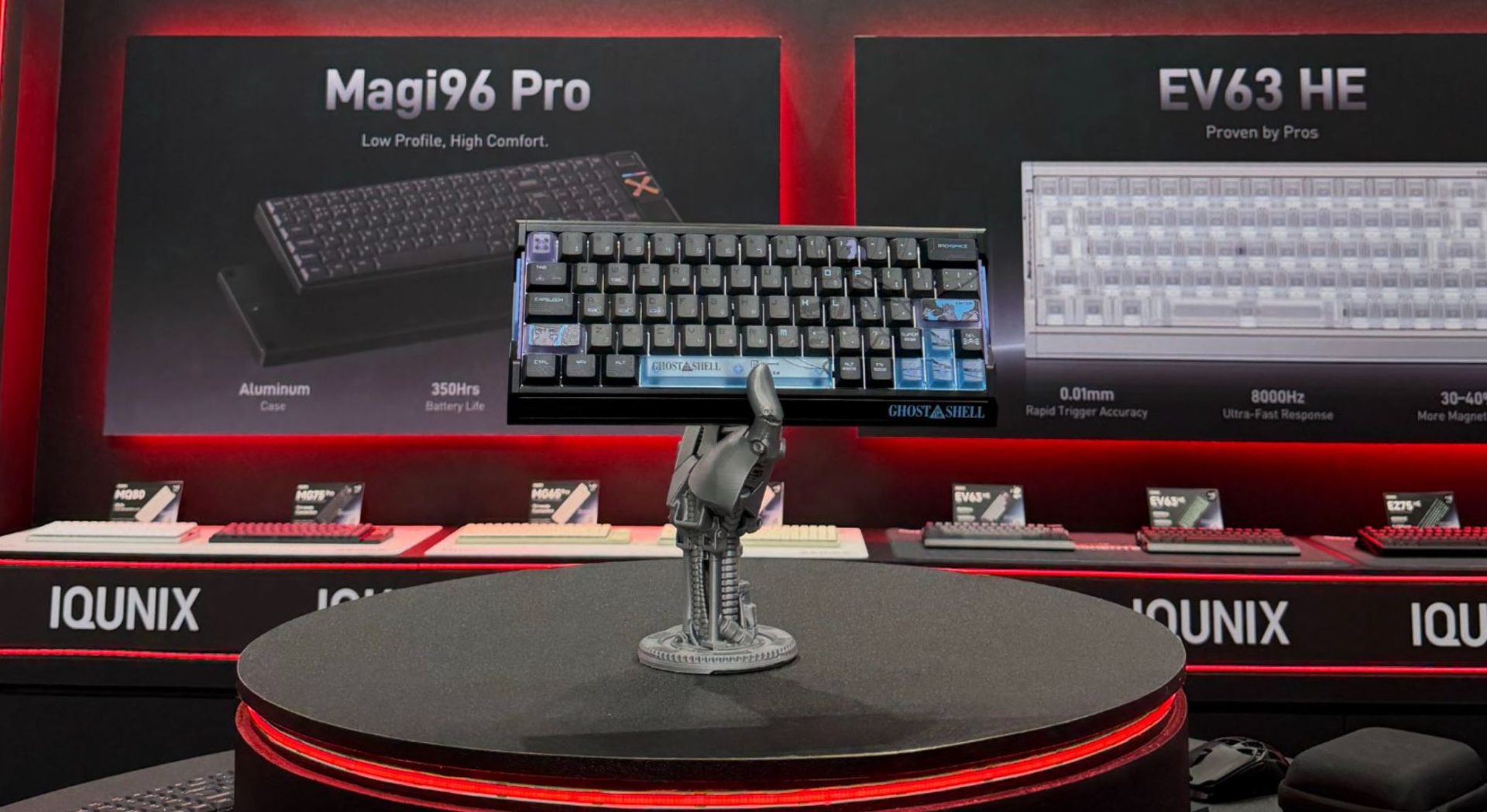
For small businesses, this keyboard could significantly reduce downtime and maintenance costs by minimizing the need for replacements or repairs. However, whether Hall-effect technology will prove as responsive as traditional mechanical switches over extended use remains an open question. While the EV63 Edition addresses immediate durability concerns, its long-term performance in high-impact scenarios will be key to widespread adoption.
As the demand for rugged hardware grows, the EV63 Edition stands out as a significant innovation, blending durability with precision in a way that could reshape expectations for business input devices. It signals a potential shift toward more resilient, low-maintenance solutions, though its success will depend on whether users embrace magnetic sensing over time.