Blue light isn’t just a nuisance—it’s a measurable disrupter of sleep. Research now shows that even short exposure to unfiltered screen glow can delay melatonin production by up to an hour, with lasting effects on circadian rhythms.
The fix isn’t as simple as activating a night-shift mode. The most effective strategies depend on when and how users engage with screens, not just the filter itself.
At its core, the problem is biological: human eyes are wired to interpret blue wavelengths as daylight signals, tricking the brain into suppressing melatonin. This suppression doesn’t fade quickly; it accumulates over hours of exposure, making late-night screen time particularly damaging. Yet most blue-light filters, while helpful, only reduce the issue by about 50 percent—leaving a significant gap in protection.
How much light is too much?
The threshold for disruption isn’t fixed. A study tracking sleep patterns found that screens emitting more than 300 lux of blue light can delay melatonin onset by nearly an hour, even when viewed just 90 minutes before bedtime. This effect persists regardless of content—whether it’s a work document or a streaming show.
Timing is the overlooked variable
Most discussions focus on the filter itself, but the real leverage lies in timing. Shifting screen use to at least two hours before bed reduces melatonin suppression by 70 percent compared to using screens right up to sleep time. This window isn’t arbitrary; it aligns with how long it takes for blue light’s effects to dissipate from the retina.
What filters can and cannot do
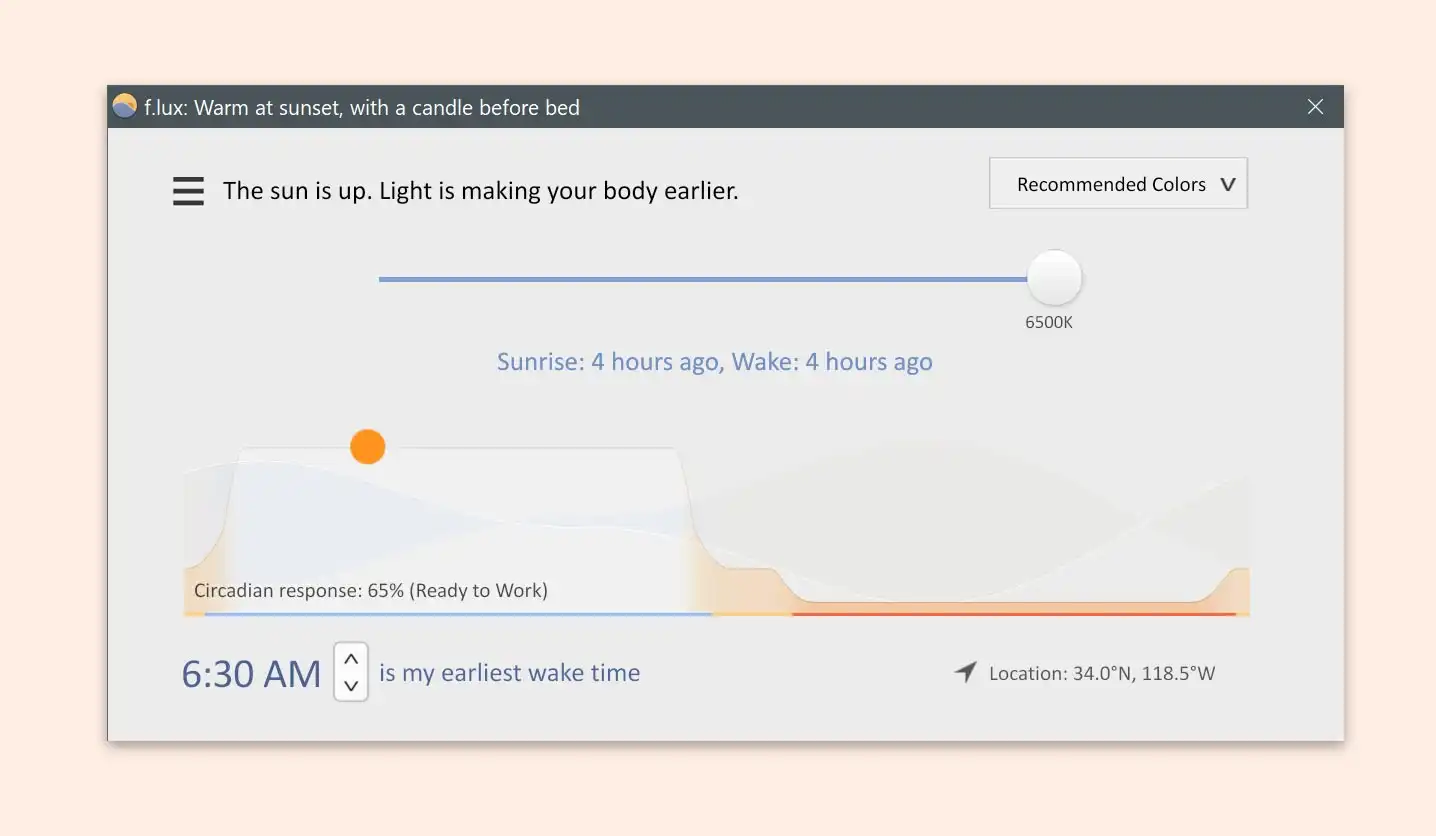
- Blue-light filters reduce harmful wavelengths by 30–60 percent, depending on the implementation. Some operating systems apply them automatically after sunset, while others require manual activation.
- Hardware solutions, like blue-light-blocking glasses, offer consistent protection but are less effective for users who spend long hours in front of screens during the day.
- Software filters vary in effectiveness; some studies show they can cut blue-light exposure by up to 60 percent when properly configured.
The catch is that no filter eliminates blue light entirely. Even the best-performing ones leave a residual level that can still trigger melatonin suppression, though less severely. This means the solution isn’t just technical—it’s behavioral. Users who pair filters with timed screen breaks see the most significant improvements in sleep quality.
Market dynamics and upgrade timing
The hardware market for blue-light solutions is growing, but adoption remains uneven. High-end monitors with built-in filters cost significantly more than standard models, creating a price barrier for casual users. Meanwhile, software-based fixes are widely available but often overlooked in favor of convenience.
For those invested in sleep optimization, the most practical approach combines both hardware and software. A monitor with adjustable blue-light settings, used in tandem with timed screen curbs, can reduce melatonin disruption by up to 80 percent compared to unfiltered screens. The tradeoff is cost; premium models start at twice the price of standard displays.
Where things stand now
The science is clear: blue light disrupts sleep, but the tools to mitigate it are already here. The challenge isn’t technological—it’s habit. Users who adjust their screen habits alongside filter use see measurable improvements in sleep quality within weeks. For others, the gap between ideal protection and real-world usage remains a persistent issue.