The iPhone 17 Pro Max’s battery life has long been a subject of debate, but a recent test exposes a glaring weakness: 5G connectivity. While the phone excels in performance and camera innovation, its reliance on cellular networks for data-heavy tasks comes at a steep cost—one that could force users to reconsider how they stay online. The findings suggest that for those who demand constant connectivity, the iPhone’s endurance may not keep pace with expectations.
The test, designed to simulate real-world usage, pitted two identical iPhone 17 Pro Max units against each other. Both underwent the same sequence of tasks: browsing, standby, and an extended FaceTime call. The only difference? One remained on Wi-Fi, while the other was locked onto 5G. The results were stark. Where the Wi-Fi-connected device retained 25% battery after 26 hours and 22 minutes, its 5G counterpart was completely drained in the same timeframe. The discrepancy isn’t just a statistical outlier—it’s a reflection of how modern smartphones juggle power-hungry wireless technologies.
The core issue lies in how 5G operates. Unlike Wi-Fi, which typically connects to a single, stable signal within a home or office, 5G must continuously scan for the strongest tower, adjust frequencies, and maintain multiple radio connections. Even in ideal conditions, this process saps battery life. During the FaceTime test alone, the 5G model lost 42% of its charge, compared to just 25% for the Wi-Fi version. For users who rely on video calls or data-intensive tasks while on the go, this could mean an extra trip to the charger midday.
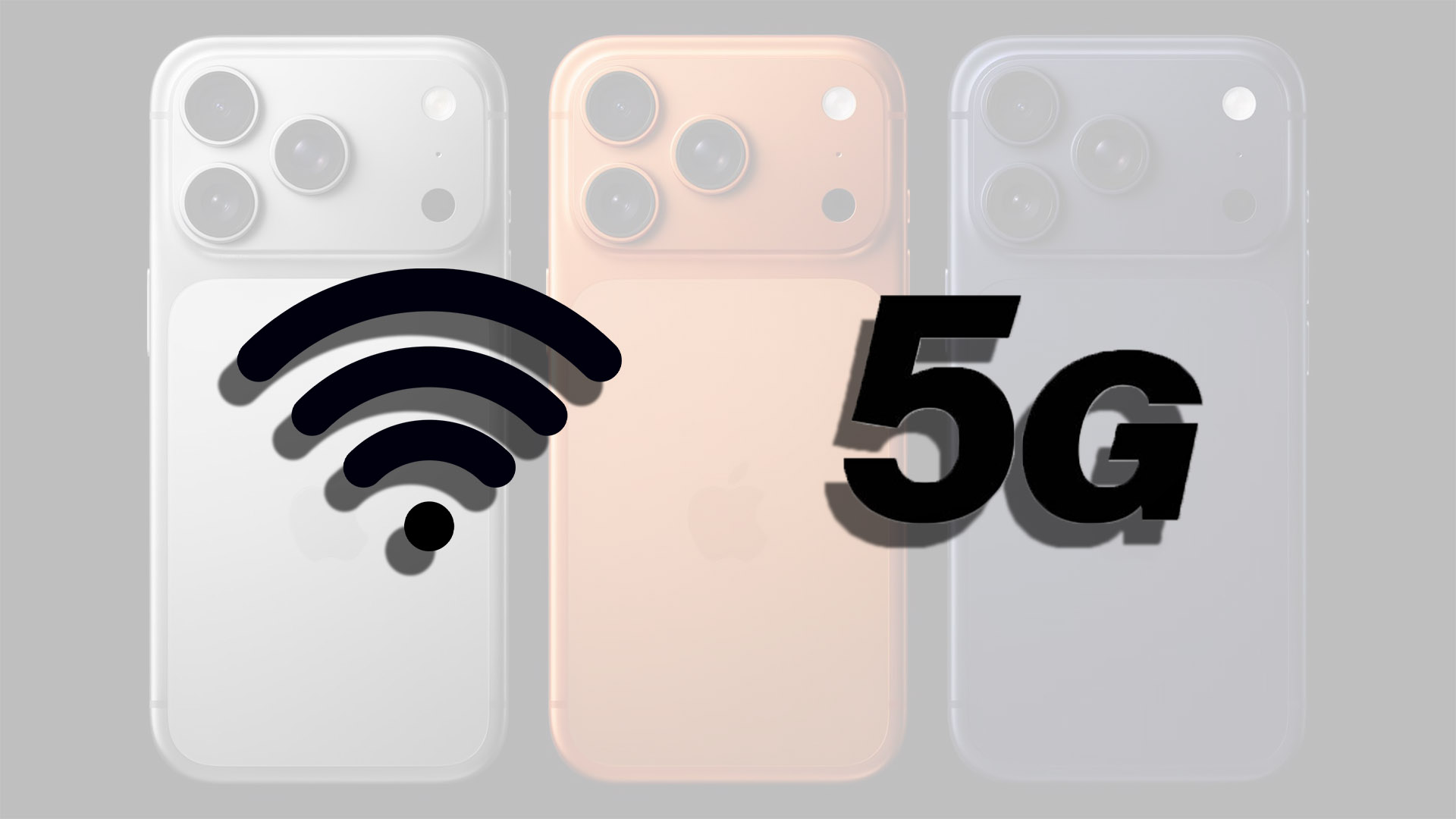
- Wi-Fi endurance: 25% remaining after 26 hours 22 minutes of mixed use.
- 5G endurance: 0% remaining in the same timeframe.
- FaceTime drain: 42% on 5G vs. 25% on Wi-Fi.
- Standby/scrolling impact: Minimal difference between both setups.
- Real-world variation: Roaming, weak signals, or network congestion could worsen 5G’s battery hit.
This isn’t just an iPhone problem—it’s a broader industry challenge. Competitors like the Xiaomi 17 Pro Max, with its 7,500mAh battery, can stretch endurance by hours, but even those gains may not offset 5G’s demands. The iPhone 17 Pro Max’s battery, while improved over past models, still falls short when pushed to its limits. For Apple, this raises questions about future designs: Will the company prioritize battery life over connectivity, or will users have to adapt their habits?
As the tech industry shifts toward satellite connectivity and even more power-hungry features, the iPhone 17 Pro Max’s test serves as a warning. The choice between speed and stamina is no longer theoretical—it’s a daily decision for power users. And for now, the scales are tipping toward the charger.
The implications extend beyond individual devices. For remote workers, travelers, or anyone who depends on 5G for extended periods, the tradeoff is clear: Battery life suffers when connectivity demands rise. Until Apple or competitors introduce a breakthrough in efficiency—or users accept shorter battery lifespans—the battle between power and performance will remain unresolved.