The AI boom, already stretching longer than most tech bubbles in history, is showing cracks. With $150 billion invested but only $15 billion projected in revenue for major players by 2025, the gap between hype and reality grows wider. Circular funding among giants like Nvidia, Microsoft, and OpenAI inflates valuations, while power shortages and shifting consumer priorities threaten to derail expansion.
At CES 2026, even Dell’s rebranding of its XPS line—once a flagship AI-powered device—suggested a pivot away from AI-centric marketing. The message was clear: consumers want practical performance, not gimmicks. Meanwhile, local AI solutions are gaining traction, undercutting cloud-dependent models that rely on subscription fees and high energy costs.

The stakes are enormous. McKinsey estimates AI investment could hit $7 trillion by 2030—more than the entire Manhattan Project’s cost adjusted for inflation. Yet, without profitable business models, even the most well-funded companies risk collapse. Smaller AI startups, already strained, may not survive a market correction.
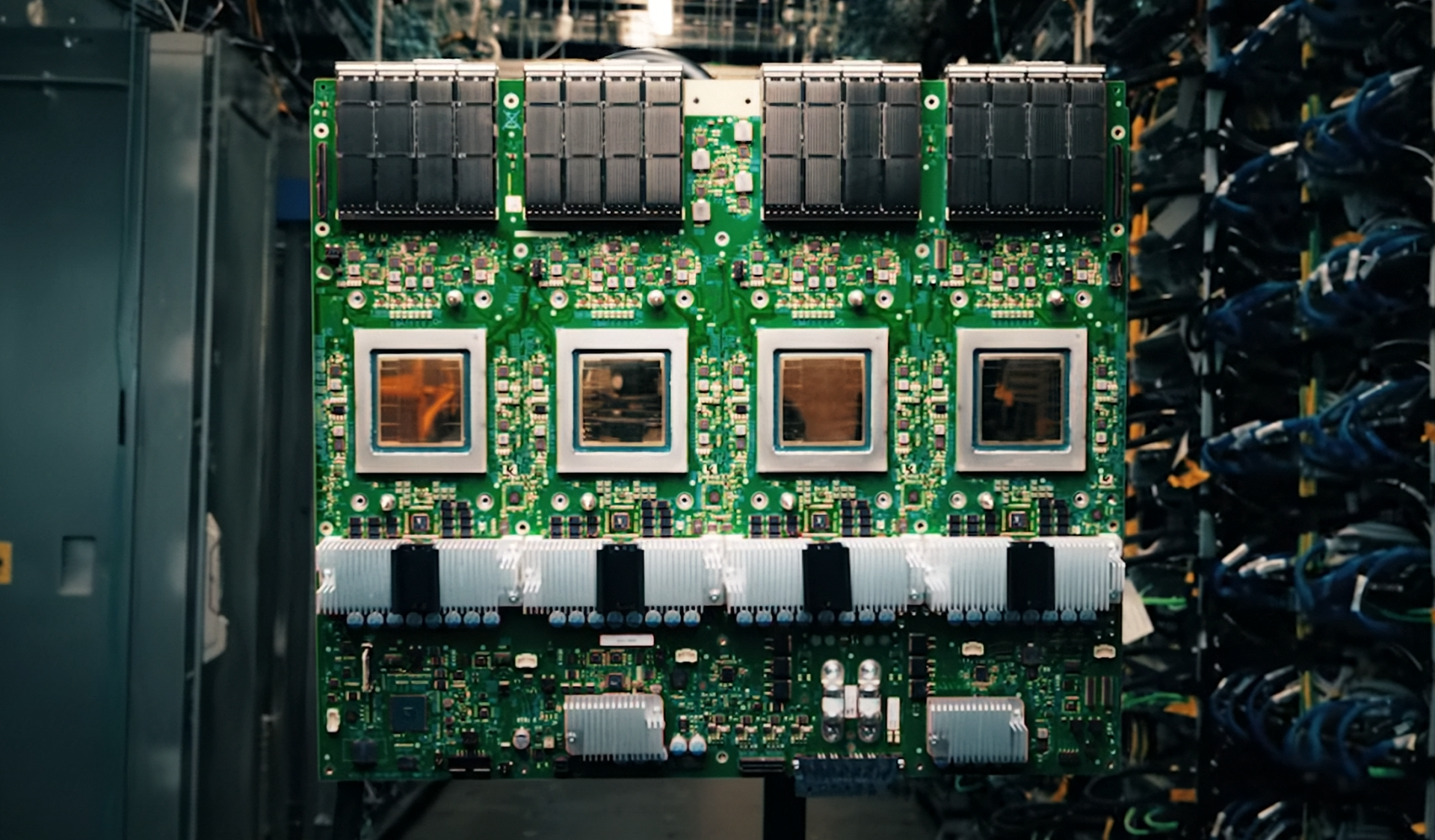
Geopolitical tensions add another layer of risk. Trade barriers and hardware nationalization could cripple global supply chains, while power shortages—like Microsoft’s acknowledged limitations in running its GPU infrastructure—could slow expansion. If the bubble bursts, Nvidia might still dominate hardware sales, but the broader AI ecosystem could face a reckoning.
For now, the industry clings to momentum. But with consumer fatigue setting in and no clear path to profitability, 2026 could be the year the AI dream runs out of power.