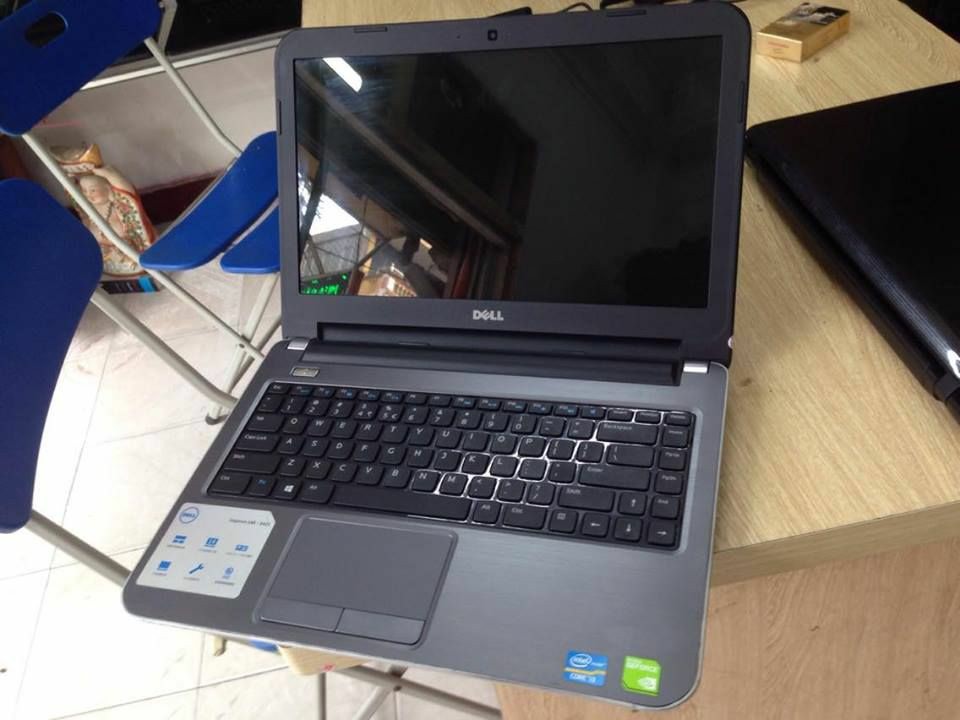
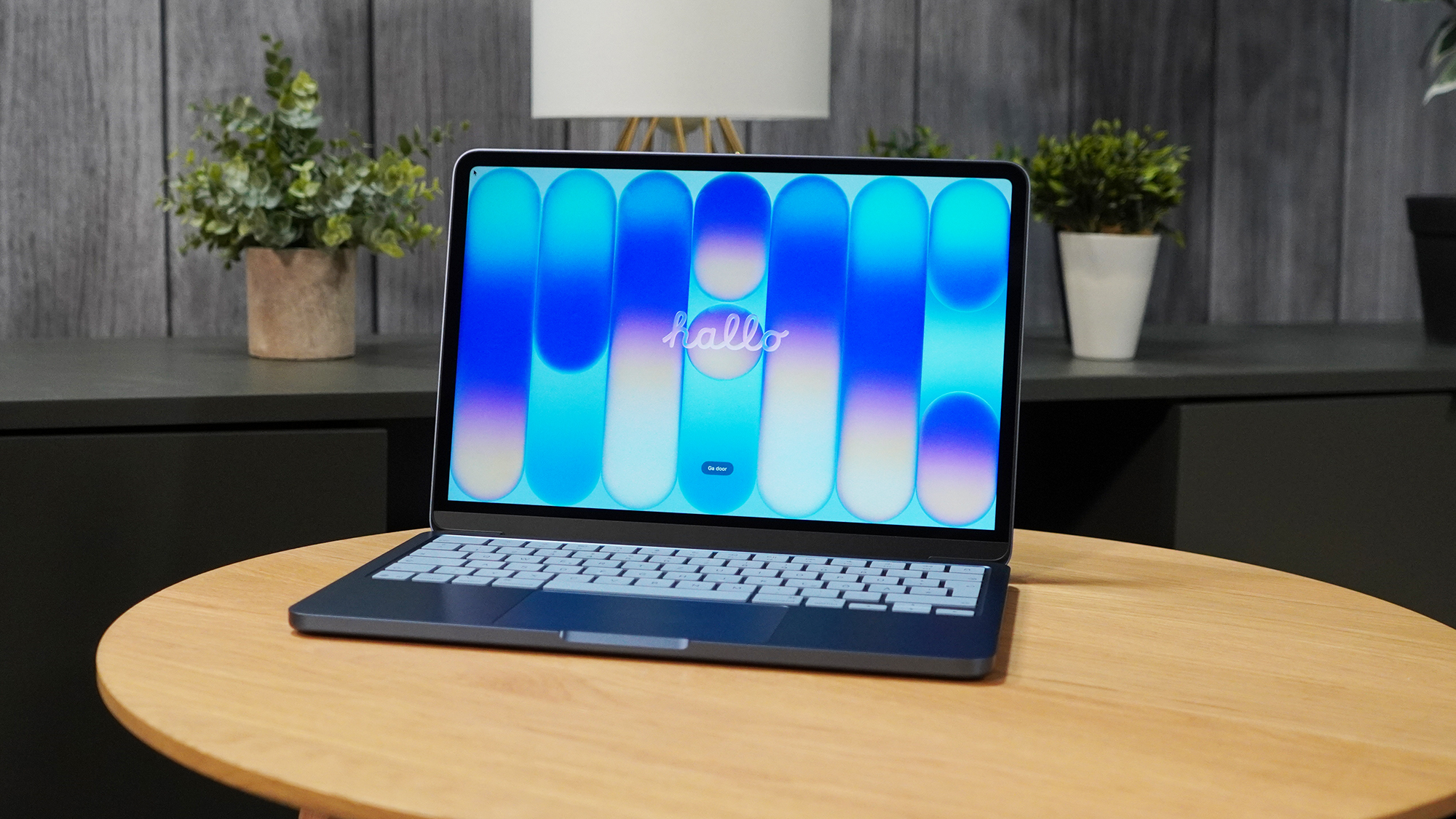
The $500 laptop used to be the gateway to computing: a low-cost entry point that could be stretched into the future with a memory upgrade or two. But today, that strategy is obsolete. Most budget laptops now arrive with 8GB of RAM permanently soldered to the motherboard, no room for expansion, and software demands that outpace their capabilities within months.
This isn’t just a theoretical problem. It’s a real-world performance cliff. A laptop that runs smoothly for browsing and light tasks today may struggle to keep up with AI-powered tools, modern browsers, or even a few extra tabs open tomorrow. And there’s no easy fix—no slot to slide in more memory, no way to swap in a faster drive. The result? A machine that feels fine at launch but becomes a bottleneck faster than expected.
The Death of ‘Upgrade Later’
For decades, the mantra for budget buyers was simple: Start cheap, then improve. A $500 laptop with 8GB RAM could be paired with an aftermarket 16GB kit, or a secondary SSD could be added to extend its life. But that flexibility has vanished. Most new laptops—even those priced under $600—now feature soldered RAM and sealed storage, eliminating any chance of future upgrades. Even mid-range models often follow suit, prioritizing slim designs over serviceability.
Why? Engineering tradeoffs. Soldered RAM improves cooling efficiency, extends battery life, and reduces bulk—qualities that matter in a world where laptops are thinner and more power-efficient than ever. But for the average user, those benefits come at a cost: a laptop that’s optimized for day one but doomed to slow down as demands grow.
Who Gets Burned?
The pain isn’t limited to power users. Students juggling research tabs, creatives testing AI tools, and even casual users running multiple browser windows will hit the limits of 8GB RAM sooner than they expect. The problem compounds with AI: local processing for tools like image generators or coding assistants can chew through memory reserves, leaving little room for anything else. And unlike older software, these applications don’t gracefully degrade—they either work or they don’t.
Worse, the issue isn’t just performance. Thermal throttling kicks in when CPUs struggle to keep up, draining battery life and forcing slowdowns. A laptop that lasted 8 hours on a charge might now struggle to hit 4. The writing is on the wall: base models aren’t just underpowered at launch; they’re designed to fail faster.

The $899 vs. $500 Dilemma
So what’s the alternative? For those who can afford it, the answer is straightforward: Pay for 16GB RAM upfront. Yes, it’s more expensive—often pushing a laptop’s price closer to $900—but it’s cheaper than replacing the entire machine in a year or two. Memory prices aren’t dropping; they’re climbing, and future-proofing now avoids a costly upgrade later.
But not everyone can swing that. For those stuck with budget constraints, the only viable path is to seek out upgradeable designs—laptops with replaceable RAM slots and free M.2 SSD bays. Brands like Framework have built reputations on this principle, though their prices have risen in response to component costs. A $900 Framework laptop today might still cost less than two $500 machines in two years.
The Stinging Reality
The worst part? The slow decline isn’t obvious at first. A base-model laptop feels fine for weeks, even months. But then a browser update bumps memory usage, an AI tool requires more resources, or a new project demands multitasking—and suddenly, the machine grinds to a halt. There’s no graceful exit. No way to add more RAM without replacing the entire laptop.
Consider the math: A $500 laptop with 8GB RAM might feel sufficient today, but within 18 months, its limitations will force a full replacement—costing $600 or more for a new model with 16GB. Meanwhile, a $900 laptop with 16GB RAM upfront could last twice as long. The upfront cost might sting, but the long-term savings are undeniable.
This isn’t just about hardware. It’s about how the industry has shifted priorities. Manufacturers now favor thinness, battery life, and AI optimization over serviceability. The result? A market where the cheapest options are the riskiest bets. The $500 laptop isn’t just a bad deal—it’s a trap disguised as a bargain. And the only way out is to plan ahead.
The lesson is clear: In a world where software grows hungrier and hardware grows less flexible, the ‘cheap now’ strategy has become a gamble. The only safe bet is to invest in what you’ll need for the long term—not just what you can afford today.