For small businesses developing games for the Steam Deck, understanding how their products perform in real-world conditions has just become far more precise. Valve is rolling out a new feature that provides developers with anonymized player performance data, allowing them to see exactly how their games run on the handheld device—down to frame times and thermal throttling.
This isn't just about raw numbers; it's about making informed adjustments. Developers can now tweak game settings, balance load times, or optimize assets based on actual player behavior rather than assumptions. For a business where performance directly impacts user satisfaction, this shift could mean more polished experiences and fewer complaints about stuttering or overheating.
How it fits into the Steam Deck ecosystem
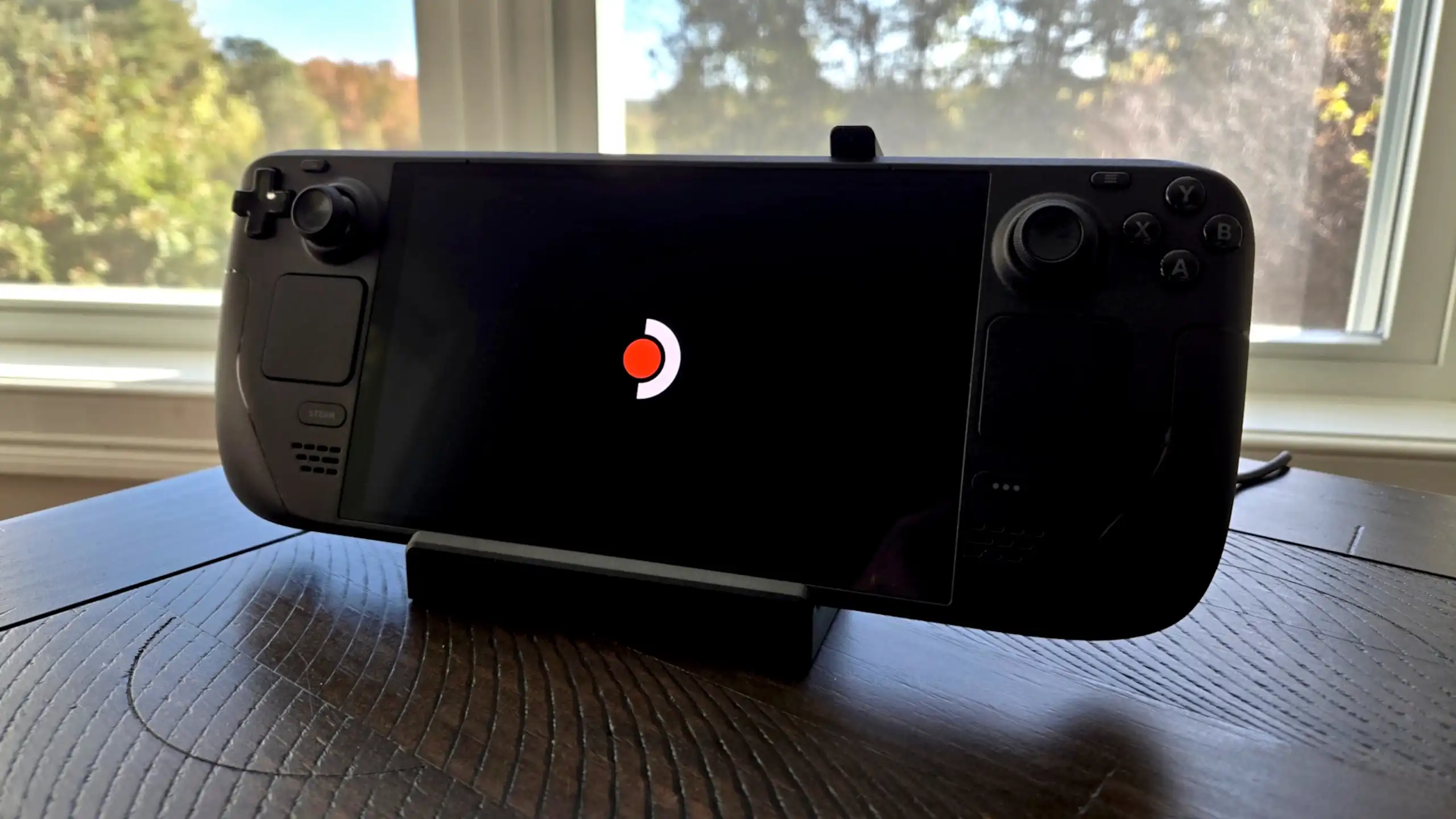
The Steam Deck has always been a hybrid device, bridging the gap between desktop and handheld gaming. But its compact form factor introduces unique constraints—limited cooling, battery life concerns, and the need for games to adapt to both landscape and portrait orientations. Valve's new performance data tool is designed to address these challenges head-on.
Previously, developers relied on internal testing or simulated environments to gauge performance. Now, they can see how their games behave across a diverse range of real-world conditions, including different hardware configurations (from the base 4GB RAM model to the top-tier 16GB model) and varying thermal profiles. This data could be particularly valuable for indie studios looking to maximize compatibility without overhauling their entire pipeline.
Key details
- Anonymized player performance metrics, including frame times, CPU/GPU utilization, and thermal throttling events.
- Support for all active Steam Deck models: 64GB (OLED), 256GB, 512GB (OLED), and 1TB (all with varying RAM options).
- Data broken down by device tier to help developers target optimization efforts where they matter most.
The tool doesn't replace traditional benchmarking or profiling tools, but it complements them by providing a real-world lens. For example, a game that runs smoothly in a studio lab might show unexpected dips during extended play sessions on the OLED model due to thermal constraints. Developers can now spot these issues early and adjust accordingly.
What this means for developers
The immediate benefit is clearer: fewer performance hiccups for players, which translates to better reviews and higher retention rates. But there are broader implications as well. Small studios that lack the resources for extensive in-house testing can now leverage Valve's infrastructure to refine their products without needing specialized hardware or deep engineering expertise.
That said, the data comes with limitations. It's anonymized, so individual player behavior isn't visible, and it covers only games distributed through Steam. Developers working on non-Steam titles or those targeting other platforms won't see these insights. Additionally, the effectiveness of the tool depends on how widely their game is played—early adopters or niche titles may not generate enough data to be useful.
For now, Valve isn't sharing specifics about how long this feature has been in development or when it became available. But given the Steam Deck's rapid evolution since its 2022 launch, it's clear that Valve is doubling down on tools that bridge the gap between development and real-world use.
Where things stand: Developers now have a more direct line to player performance data, which could accelerate optimization for Steam Deck titles. The challenge will be balancing this newfound transparency with the practical constraints of handheld gaming—cooling, battery life, and hardware diversity remain key hurdles. But for small businesses, this is a step forward in making games that feel as good on the go as they do at a desk.