The latest generation of gaming monitors from ASUS is designed to bridge the gap between raw performance and intelligent power management. The ROG Strix and TUF Gaming series now feature a 'Dual Mode' that dynamically adjusts brightness and color based on ambient light, while maintaining 4K HDR10+ output at up to 240 Hz. This dual-mode capability is paired with a new adaptive refresh rate system that can switch between 120 Hz and 240 Hz without manual intervention, making it particularly suited for AI-driven workloads where power efficiency matters as much as visual fidelity.
At the heart of these monitors lies a hardware architecture that supports both high-refresh gaming and compute-intensive tasks. The panels integrate ASUS's proprietary 'Adaptive Sync 3.0' technology, which adjusts frame rates in real-time to match the demands of the application—whether it's rendering AI models or playing competitive esports titles. This is complemented by a power-saving mode that reduces brightness when the system load drops below a certain threshold, effectively extending battery life for laptops or reducing heat output in desktop setups.
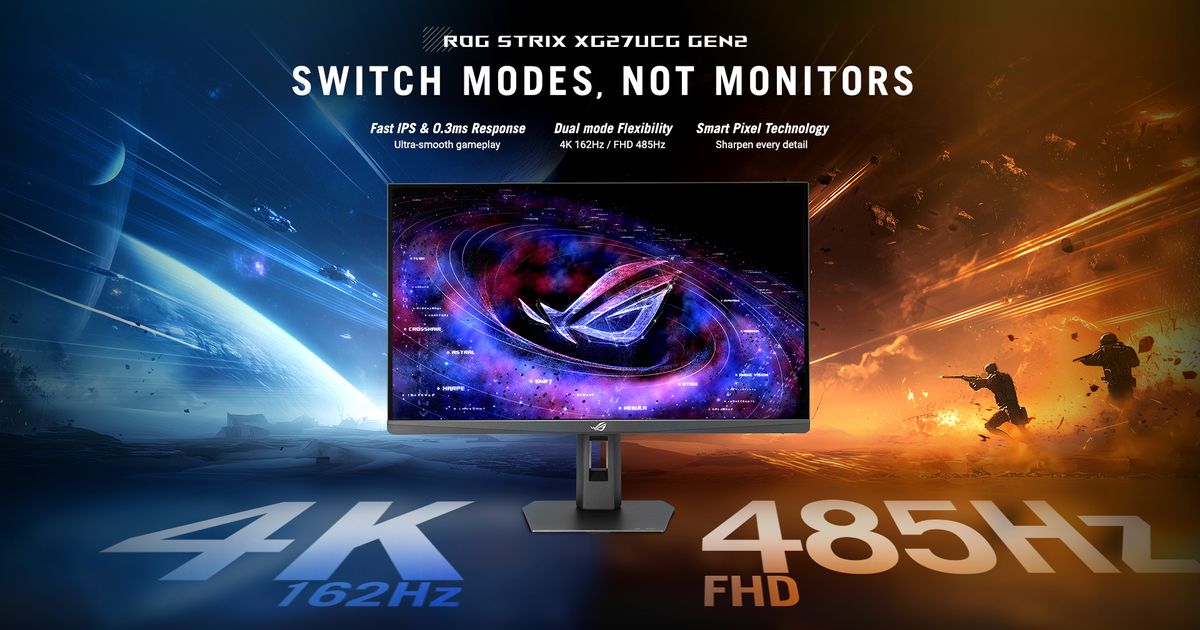
For users balancing performance and longevity, the Dual Mode monitors also introduce a new 'Eco Power' setting. When activated, this feature caps peak brightness at 200 nits while maintaining 95% of the color gamut, ensuring that workloads like data processing or video editing remain visually accurate without sacrificing energy efficiency. The monitors retain full 4K HDR10+ support when in 'Performance Mode,' making them a versatile choice for both creative professionals and hardcore gamers.
The ROG Strix variant is built with a 27-inch QD-OLED panel, offering 95% DCI-P3 coverage and a peak brightness of 1,200 nits. It supports HDR10+ with a static contrast ratio of 1,000,000:1, while the TUF Gaming model uses a 24-inch IPS panel with 95% sRGB coverage and a peak brightness of 350 nits. Both models feature a 1ms response time (GTG) and are compatible with NVIDIA G-Sync and AMD FreeSync Premium Pro, ensuring smooth visuals across a range of workloads.
Looking ahead, the introduction of dual-mode monitors signals a shift toward more intelligent hardware that adapts to both user needs and environmental conditions. While the exact impact on AI workload performance remains to be seen, the focus on power efficiency and adaptability suggests these displays could influence future upgrade decisions—particularly for users who prioritize sustainability without compromising visual quality.