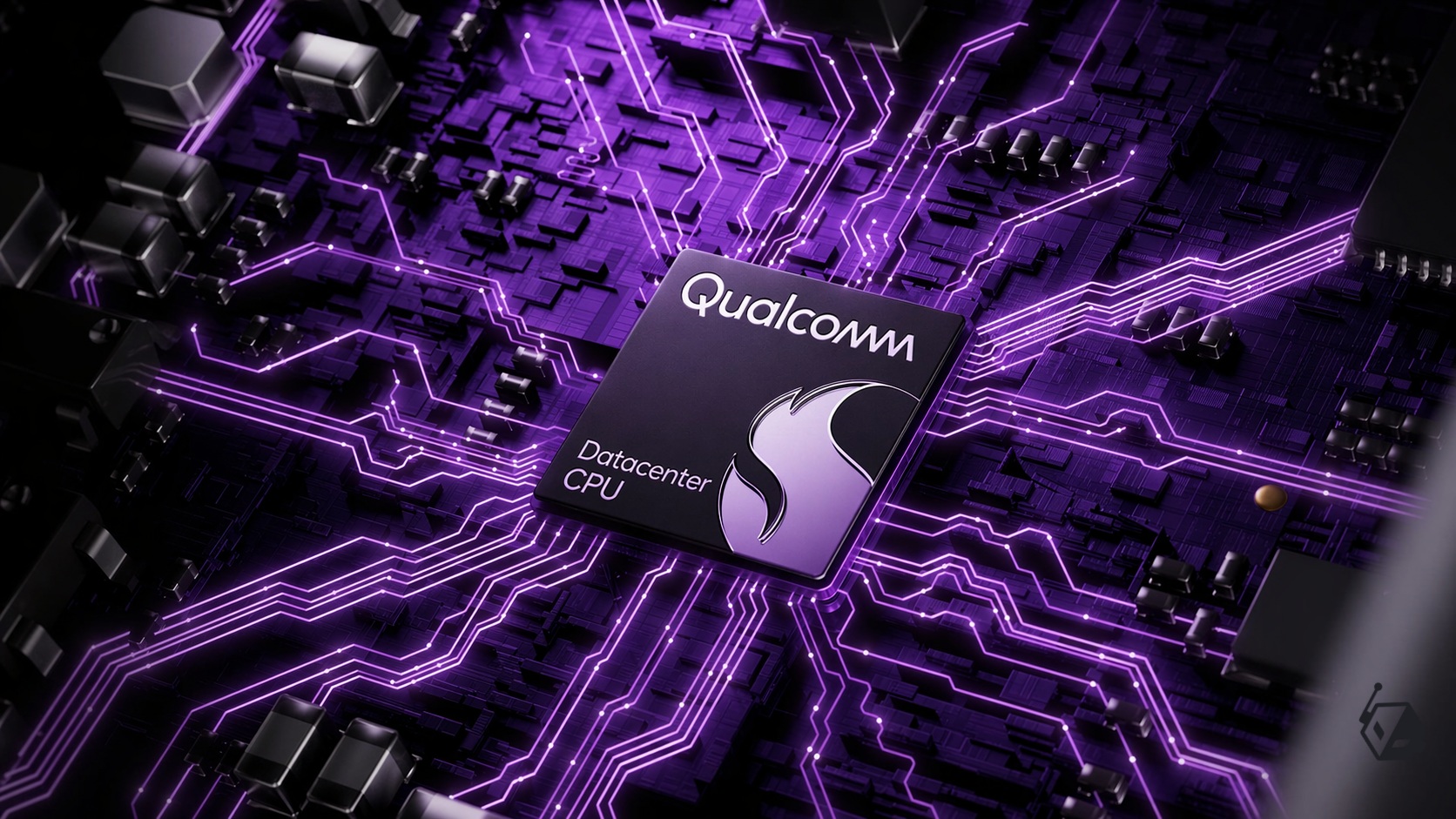
Qualcomm is set to launch its first dedicated datacenter CPU this month, marking a rare push into the high-performance computing space dominated by Intel and AMD. The move comes as demand for agentic AI surges, forcing cloud providers to rethink their infrastructure.
The new chip, codenamed 'Panther,' is designed to handle both traditional server workloads and emerging AI tasks, including large language models. It features a 12-core design with clock speeds up to 3.5 GHz, paired with 96 MB of L3 cache—a significant leap from Qualcomm's mobile-focused chips.
Key Specifications
- Architecture: Custom ARM-based design optimized for datacenter efficiency
- Cores: 12-core (up to 8 performance cores + 4 efficiency cores)
- Clock Speed: Up to 3.5 GHz
- Cache: 96 MB L3 cache
- Memory Support: DDR5-4800, LPDDR5x
- AI Acceleration: Integrated tensor cores for AI workloads
- TDP: Up to 275W (configurable)
The chip's integrated tensor cores are a notable feature, offering hardware-level acceleration for AI tasks without relying on separate GPUs. However, its compatibility with existing datacenter software stacks remains untested, which could pose challenges for IT teams migrating workloads.
That’s the upside—here’s the catch: While Qualcomm's entry promises efficiency gains and lower power consumption compared to x86 rivals, adoption hinges on whether it can integrate smoothly with cloud providers' existing infrastructure. Early benchmarks suggest performance close to mid-range Intel Xeon chips, but real-world testing is pending.
For IT teams, the question isn't just about raw power—it's about compatibility and long-term support. Qualcomm hasn’t confirmed pricing or availability yet, but industry sources suggest it could hit shelves by mid-year if demand for agentic AI continues its current trajectory.