For years, users outside North America have faced a frustrating choice: settle for a keyboard built around US ANSI standards or endure the compromises of ultra-compact designs that sacrifice ergonomics and responsiveness. NuPhy’s Node series is now changing that narrative with the introduction of ISO and JIS layouts across its flagship models, ensuring that full-height mechanical keyboards can cater to global preferences without compromise.
ISO and JIS: Precision in Every Key
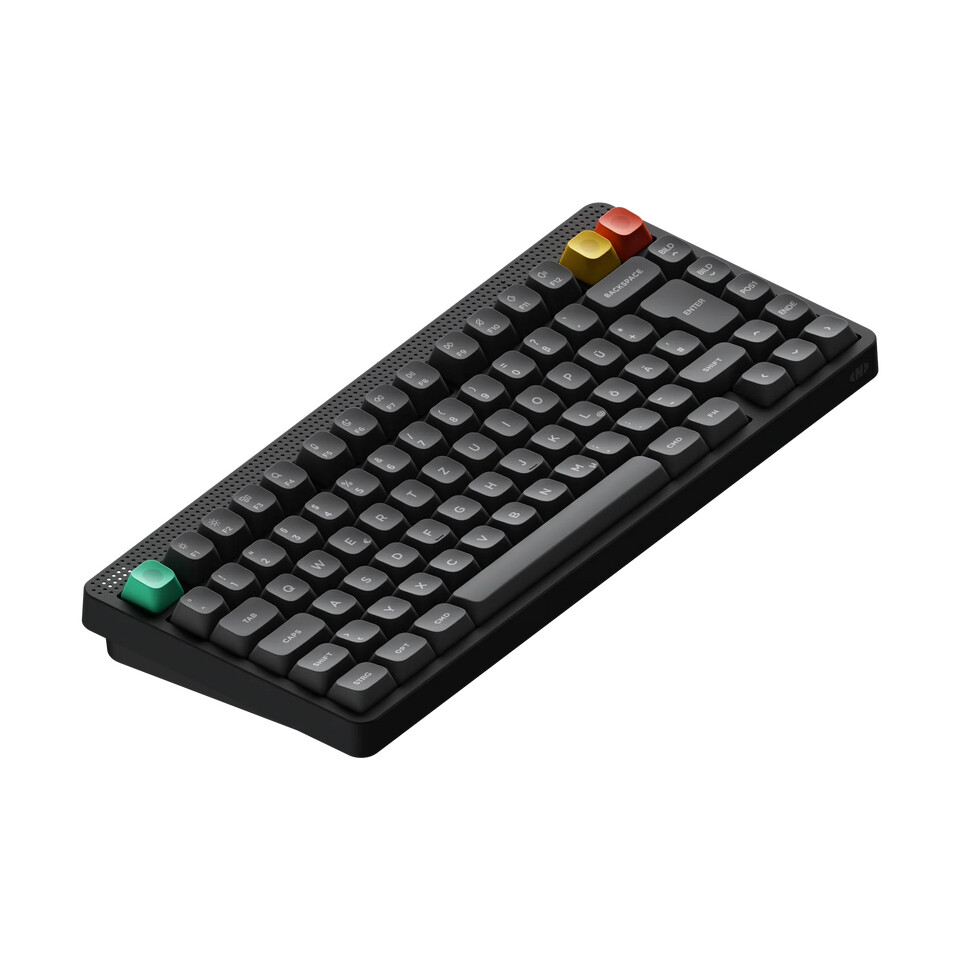
The update brings UK, DE, FR, and JP layouts to both the Node75 and Node100. The JIS layout is particularly noteworthy for its split space bar—2.25 U on the left and 2.75 U on the right—which accommodates the denser bottom row of Japanese keyboards while maintaining usability. This level of attention to detail reflects a commitment to engineering that avoids the cramped or awkward designs often seen in non-ANSI compact keyboards.
Performance, Pricing, and Aesthetics
The ISO and JIS versions retain the same core specifications as their ANSI counterparts, including wireless connectivity with low latency. However, they come at a $10 premium: the Node75 starts at $99.95 for ANSI layouts or $109.95 for ISO/JIS variants, while the Node100 begins at $109.95 (ANSI) or $119.95 (ISO/JIS). Color options remain limited to Lunar White and Ink Grey, maintaining NuPhy’s signature aesthetic.
A Global Standard for Ergonomics
This expansion is more than a technical achievement—it represents a shift toward global ergonomic standards in mechanical keyboards. European users, for example, will no longer need to adapt to the US layout or tolerate the compromises of ultra-compact designs. Similarly, Japanese users now have access to a full-height keyboard that respects their input habits without sacrificing build quality or responsiveness.
NuPhy’s move sets a new benchmark for what consumers should expect from premium mechanical keyboards. The premium pricing is justified by the engineering challenges involved in supporting non-ANSI standards, but it also signals that high-quality, full-height designs are no longer the sole domain of US markets. This could encourage competitors to follow suit, ultimately benefiting users worldwide who have long been forced to choose between functionality and form.