The latest collaboration between Steam and the RPCS3 team has fundamentally altered how PC gamers access PlayStation 3 titles. No longer will users need to open a separate emulator window before diving into a game; instead, PS3 exclusives now appear seamlessly within Steam’s library, ready to launch with a single click. This integration isn’t just about convenience—it also reflects deeper technical improvements under the hood, though the focus remains on making emulation feel more natural and less intrusive.
For years, RPCS3 has been the go-to solution for PC gamers eager to experience PS3 games outside of Sony’s ecosystem. The emulator’s ability to run titles like God of War or The Last Guardian with impressive fidelity made it indispensable, but its workflow was always a step removed from what players expected from Steam. That gap has now closed. Users no longer face the need to switch between applications; everything happens within one interface, reducing friction without sacrificing performance.
Understanding why this matters requires looking at both the technical and user experience layers. On the technical side, RPCS3’s core engine remains unchanged—it still handles the heavy lifting of emulating PS3 hardware, including its cell processor and graphics pipeline. However, by integrating with Steam’s launch framework, the team has eliminated unnecessary overhead. This means fewer windows to manage, less context-switching between applications, and a more cohesive gaming session. For PC builders, it reinforces that software layers must work in harmony for a smooth experience, not just hardware upgrades.
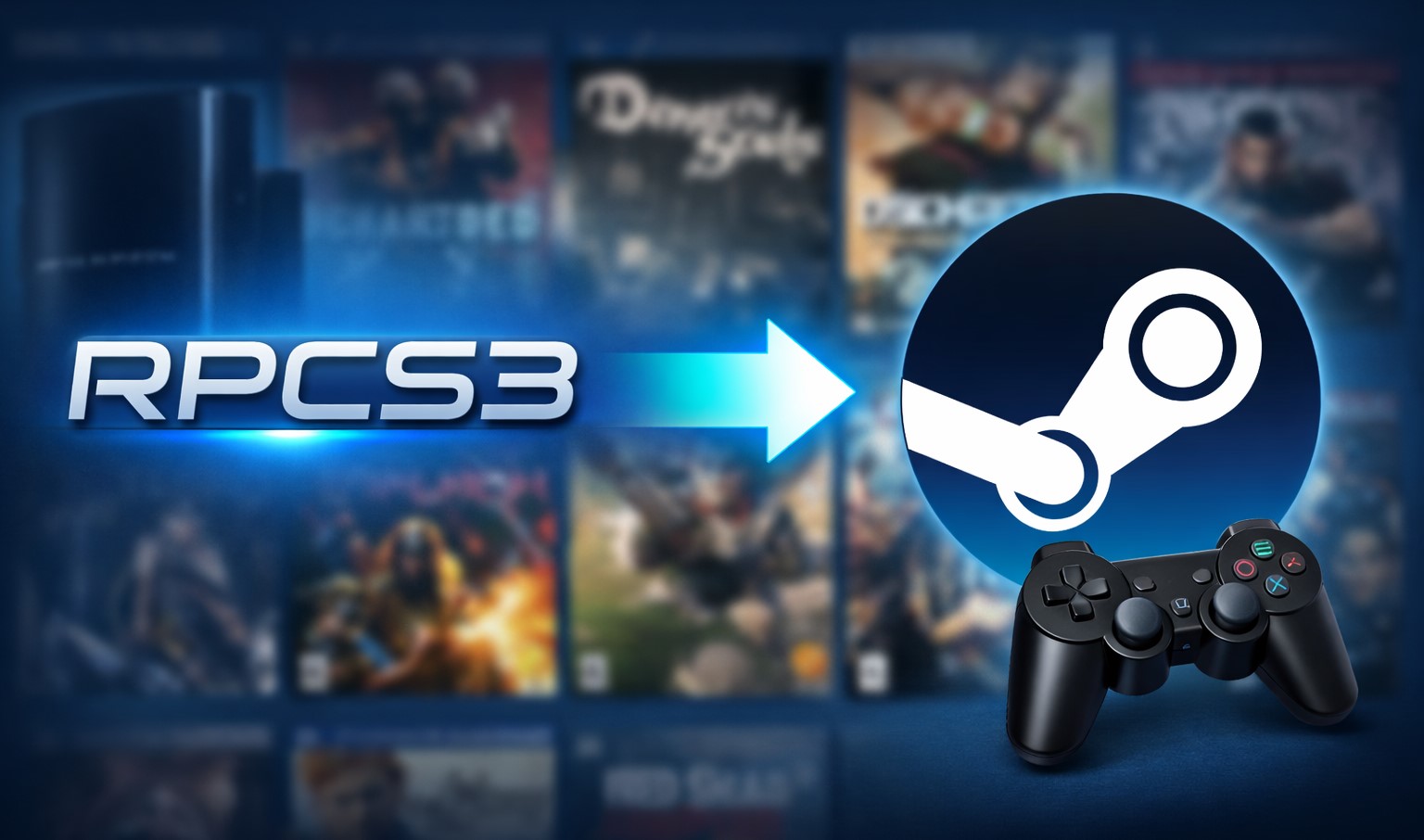
- PS3 games are now fully visible and launchable from within the Steam client
- No additional emulator interface or manual setup is required before starting a game
- Performance remains stable, with no reported degradation compared to previous versions
- The integration focuses on workflow improvement rather than introducing new technical features
A user’s interaction with PS3 games will feel more like playing any other Steam title. The removal of an extra step—whether it’s opening RPCS3 first or navigating through its menu—makes the process feel instant and intuitive. This is a subtle but meaningful evolution for emulation, as it aligns closer to how modern gaming platforms operate, where the technology fades into the background.
The broader implications of this change extend beyond convenience. By tying PS3 game execution directly to Steam’s ecosystem, potential compatibility issues are reduced because the launch process is now standardized and optimized within one environment. It also sets a precedent for future emulation projects, suggesting that seamless integration with existing platforms can enhance adoption without requiring groundbreaking technical leaps.
For PC gamers, this update is a small but significant milestone. It doesn’t solve every challenge of running PS3 games on modern hardware—some titles still require tweaking or may not run at all—but it removes one of the biggest hurdles: the workflow itself. The result is a cleaner, more fluid experience that feels like progress without overpromising.