Stardew Valley’s latest modding wave isn’t just about aesthetics—it’s about redefining the player’s relationship to Pelican Town. These fan-created tools strip away the game’s default visuals in favor of a palette that feels like stepping into an overgrown meadow, where every path is lined with wildflowers and every building blends seamlessly with the land. The result is a deliberate shift toward a more grounded, immersive playstyle—one where the farm isn’t just functional but feels lived-in.
The cottagecore approach here is rooted in control. Players can now design asymmetrical farm layouts that incorporate natural elements like waterfalls or choose buildings that appear half-reclaimed by nature. These aren’t superficial changes; they rework core mechanics to support a deeper, more immersive experience. For example, one mod consolidates crafting into a single workshop, streamlining gameplay while maintaining visual cohesion, while another expands cellar space to match the charm of the main floor.
Beneath the surface, these mods introduce practical improvements that power users will appreciate. One tweaks farmhouse interiors, eliminating the open, echoey spaces of vanilla Stardew Valley and replacing them with walls that feel authentically lived-in. Another introduces Highland cows as livestock options, a subtle but effective way to align animals with the pastoral theme without overpowering it.
- Velvet Veil Farm – A map mod that prioritizes natural fixtures and organic pathing, giving players more functional space while maintaining an organic flow.
- Covehn’s Cozy Farmhouse – Reduces empty space in farmhouses, creating a tighter, more intimate living area.
- Ash’s Cellar Redesign – Expands cellar functionality to match the charm of the main floor, adding practical depth without disrupting the game’s aesthetic.
- Italian Countryside Buildings – Tiny dwellings that blend seamlessly with the environment, reinforcing the idea of nature reclaiming human structures.
- Millnificent – A reskinned mill that introduces texture variety while maintaining the game’s cohesive design language.
- Workshop Farm Building – Consolidates crafting into a single, central location, streamlining gameplay while keeping visual cohesion intact.
The modding ecosystem extends beyond buildings and maps. Players can also choose from furniture sets that lean toward neutral tones—think floral wallpaper, dark wood cabins, and witchy craftables—each designed to fit the earthy, woodsy theme without veering into whimsy. Outdoor decor includes scarecrows, mushroom sprinklers, and cottagecore fences, all contributing to a sense of depth and immersion.
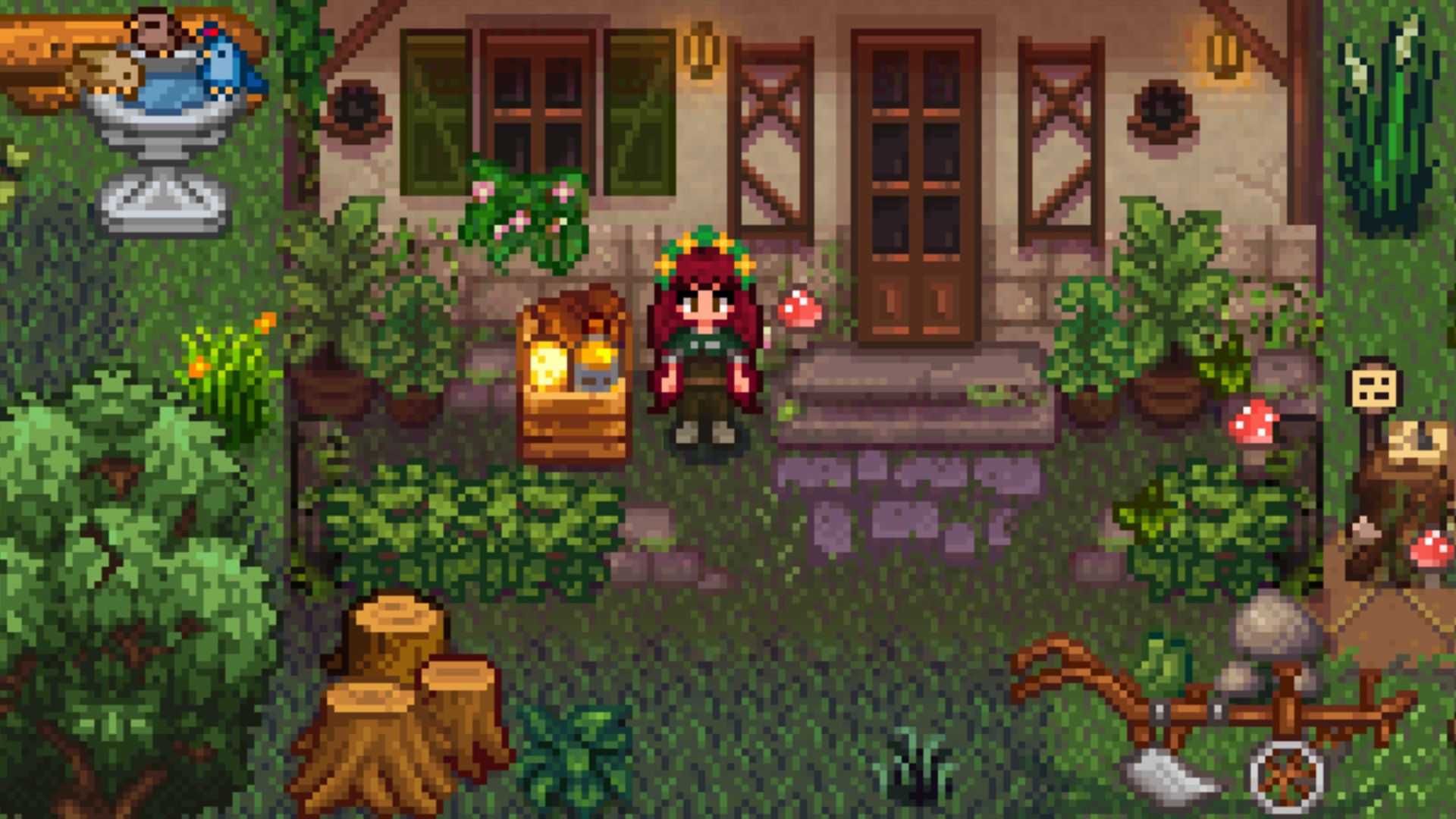
For those looking to deepen the aesthetic further, additional mods like DaisyNiko’s Earth Recolour tone down brighter elements in favor of softer, more natural hues. This approach isn’t about pastels or overly feminine designs; it’s about stripping away the artificial and embracing what feels organic. The result is a game that doesn’t just look charming but feels authentically rural.
However, this modded experience comes with its own set of considerations. Some mods require careful installation to avoid conflicts, particularly when combining texture or furniture packs. Players are advised to start with foundational tools like SMAPI and Content Patcher before layering in decorative elements. The Stardrop mod manager can help streamline the process, but even then, there’s a risk of ending up with a cluttered download folder if not managed carefully.
Despite these challenges, the end result is undeniable. A farm that once felt generic now feels like it belongs to someone—like a slice of rural life preserved in pixel form. The mods don’t just change how things look; they change how you interact with them. Whether it’s the way light filters through windows or the way crops grow at the edge of a forest path, every detail is designed to make the game feel like home.
The most significant change isn’t visual—it’s mechanical. These mods redefine what a functional farm can look and feel like without sacrificing gameplay depth. That’s the true power of this cottagecore approach: it doesn’t just beautify Stardew Valley; it makes it feel more alive, more personal, and ultimately, more yours.