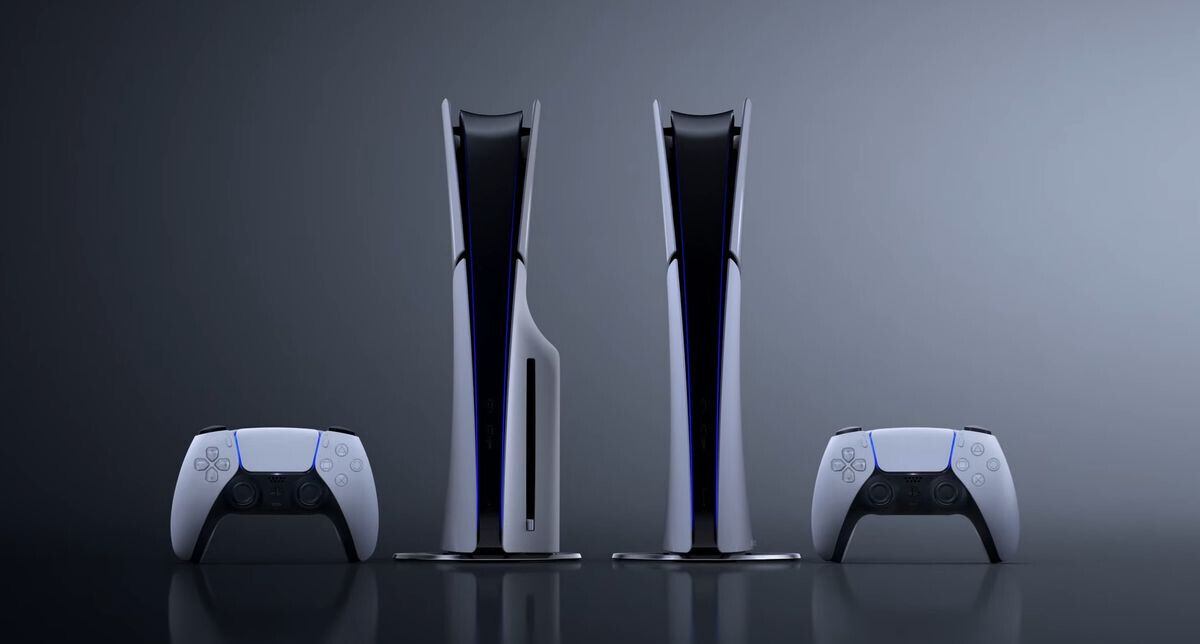
Sony’s next-generation gaming ambitions are taking shape in leaked memory specifications that push the boundaries of what’s possible in both home and portable consoles. If accurate, the PlayStation 6—codenamed Orion—could arrive with up to 30GB of GDDR7, while its handheld sibling, Project Canis, might pack 24GB of LPDDR5X, rivaling high-end mobile devices like ASUS ROG’s Xbox Ally X.
These figures, surfaced on the NeoGAF forum, hinge on an unconventional memory architecture for the home console. Rather than relying on standard 4GB GDDR7 modules, the leak suggests Sony could deploy a clamshell design with 3GB modules to achieve the full 30GB capacity. Even with a narrower 160-bit memory bus—down from the PS5 Pro’s 256-bit—this setup could deliver 640GB/s bandwidth, an 11% improvement over the current flagship’s 576GB/s.
A Handheld Powerhouse—If Memory Supply Allows
The handheld, if it materializes, would leverage LPDDR5X, a premium low-power DRAM solution typically reserved for premium smartphones and ultra-portable gaming devices. This aligns with Sony’s push for a more powerful, battery-friendly handheld, though the 24GB figure would require a significant leap in memory efficiency compared to current offerings.
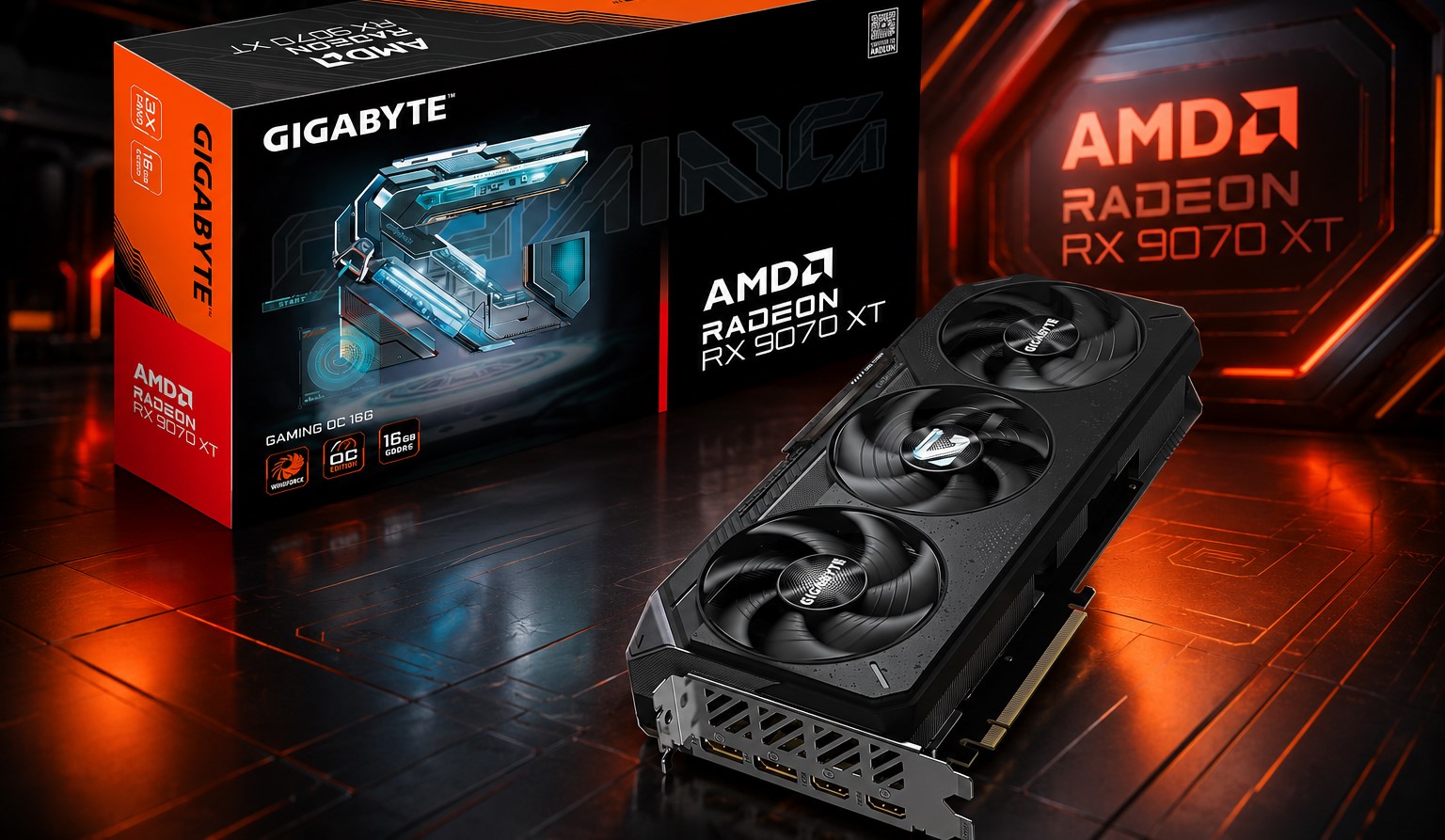
Yet, the most pressing question isn’t just whether these specs are feasible—it’s whether they’re possible at all. A global memory shortage has already sent shockwaves through the tech industry, with high-end GPUs like NVIDIA’s RTX 5090 reportedly reaching $5000 due to AI-driven demand. If Sony’s next-gen consoles rely on similarly scarce components, delays could be inevitable, pushing back a 2027 launch window.
Memory Wars: Who Benefits?
For developers, these leaks suggest a future where Sony’s hardware isn’t just about raw power but also about flexibility—supporting larger textures, more complex AI-driven effects, and seamless transitions between home and handheld gaming. However, the sheer scale of memory required raises costs, which Sony may pass on to consumers or absorb internally, depending on how negotiations with manufacturers like SK Hynix and Samsung play out.
If the PS6 and its handheld do arrive as rumored, they’d redefine what’s possible in gaming—provided Sony can secure the memory it needs before the next generation begins.