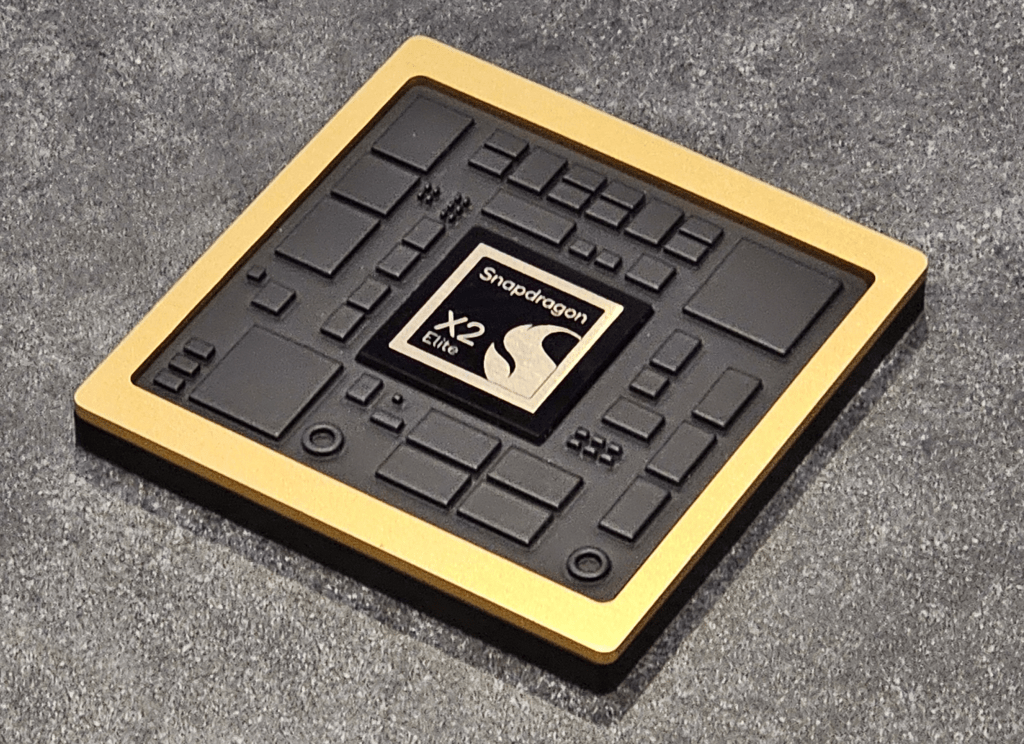
The Snapdragon X2 Elite has arrived, and early benchmarks suggest Qualcomm’s latest mobile processor is carving out a niche in productivity tasks—even if it can’t yet compete in gaming. New tests reveal the chip outperforms Apple’s M5 in rendering workloads like Blender and Handbrake, though it still trails Intel’s Panther Lake chips in graphics-intensive scenarios.
What makes this update significant is that the Snapdragon X2 Elite isn’t just a tweak over its predecessor—it’s a leap forward in efficiency for laptops running Windows. But before diving into the numbers, there’s one critical detail: these results come from pre-production laptops, meaning real-world battery life remains untested. Qualcomm has promised firmware optimizations later this year to address power consumption, but for now, the focus is on raw performance.
Where It Shines—and Where It Falls Short
The Snapdragon X2 Elite was put through its paces in a pair of Asus laptops—one running the X2E-88-100 variant (the more common model) and another with the top-tier X2E-96-100 Elite Extreme. In CPU-heavy tasks like Cinebench R24, the X2E-96-100 scored 160 single-threaded, a notable jump from the first-gen X1 Elite’s 108 but still behind the M5’s 200. However, when it came to real-world productivity, the X2 Elite proved more capable.
- Blender rendering: The Snapdragon X2 Elite completed a test in 3:31, undercutting the M5’s 5:33 by nearly two full minutes.
- Handbrake encoding: It maintained a similar edge in video transcoding, where efficiency matters most for content creators.
- Gaming performance: Frames per second in Cyberpunk 2077 and Baldur’s Gate 3 stayed below 60 fps at 1200p, even on low settings—falling short of both Intel and Apple’s offerings.
Qualcomm’s claims of two times faster gaming performance over the Snapdragon X Elite are based on internal tests, but these real-world results suggest the gap isn’t as dramatic as advertised. Still, the chip’s strength lies in its power efficiency, which could make it a compelling choice for thin-and-light Windows laptops—if battery life improves with future updates.
Who Stands to Benefit?
The Snapdragon X2 Elite isn’t just about beating Apple in benchmarks—it’s about expanding Qualcomm’s footprint in the Windows laptop market. Early adopters, likely including Asus, Lenovo, and other OEMs, will begin shipping devices in February and March. Here’s who might see the most immediate impact
- Content creators: The Blender and Handbrake results position the X2 Elite as a viable alternative for rendering workloads, especially on Windows-based systems.
- Productivity users: Those who prioritize battery life and portability could find the chip appealing—once firmware optimizations arrive.
- Gamers (with caveats): While not a gaming powerhouse, the chip’s efficiency could enable lighter laptops with decent performance for esports titles.
The biggest unknown remains battery life. Qualcomm has emphasized that future firmware updates will refine power management, but until those arrive, the X2 Elite’s endurance in real-world use is still up in the air. For now, the chip’s strengths are clear: it’s faster than its predecessor and competitive in productivity tasks—but gaming remains its weakest suit.
With Intel’s Panther Lake and Apple’s M5 setting the bar, Qualcomm’s latest chip is a step forward—but not yet a leap ahead in every category.