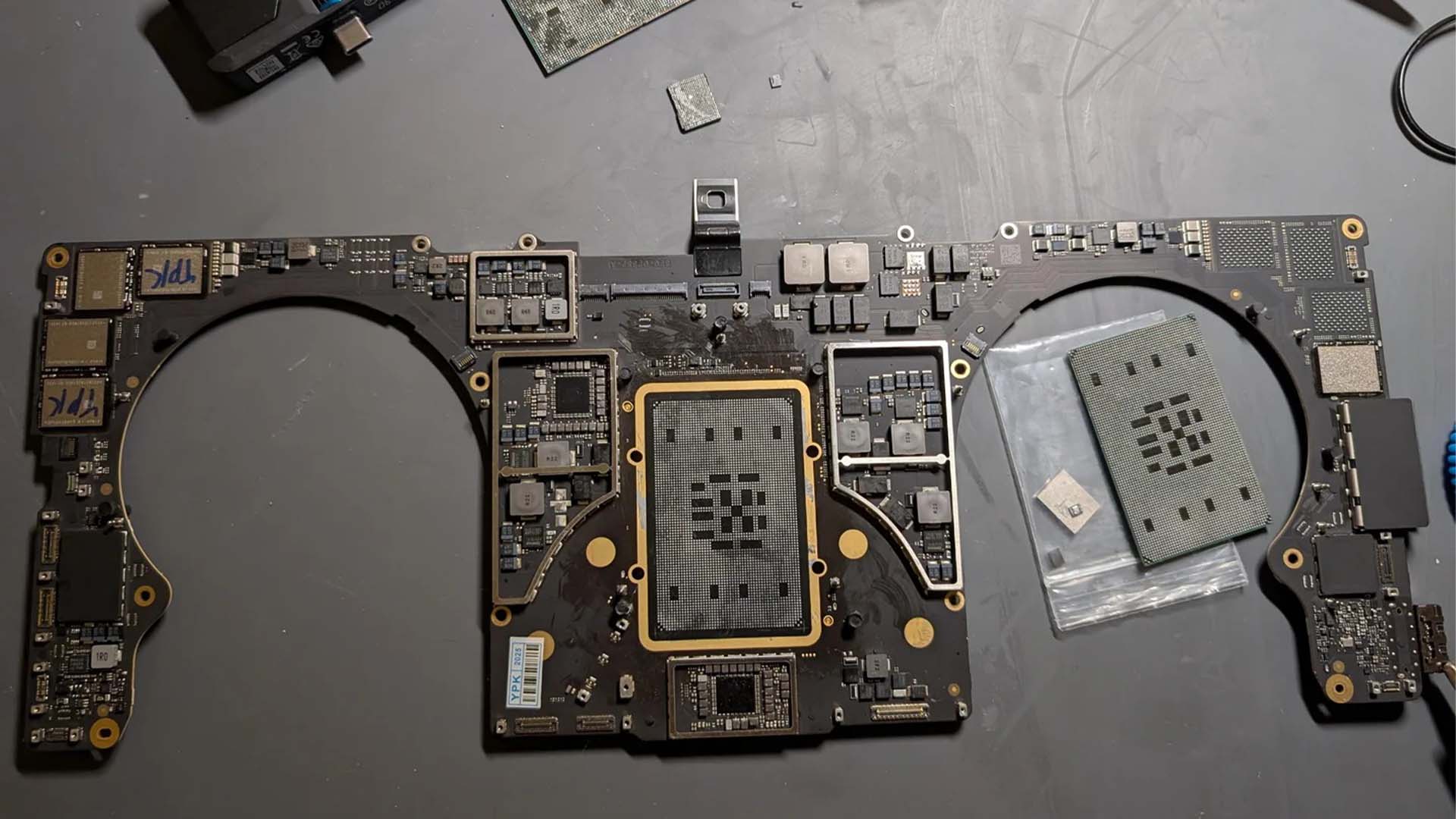
Qualcomm’s second-generation Snapdragon X2 CPU has emerged with a performance lead that dwarfs its x86 counterparts. Benchmark results show it surpasses the fastest laptop processors from AMD and Intel by over 30% in single-core performance, setting a new benchmark for ARM-based computing.
The Snapdragon X2 Elite Extreme model (X2E-96-100) achieves 4,033 points in Geekbench’s single-core test—outstripping AMD’s Ryzen AI Max+ 395 (3,048 points) and Intel’s Panther Lake (just under 3,000 points). While synthetic benchmarks don’t always translate to real-world gains, the margin is striking enough to suggest a meaningful advantage in workloads that rely on single-thread efficiency.
The chip’s multi-core performance is equally impressive, though its 18-core design positions it for heavy-duty tasks rather than lightweight productivity. Yet the bigger question remains: how does this translate to actual PC performance, particularly gaming?
Gaming on ARM has historically been a mixed bag. Even with Qualcomm’s integrated Adreno GPU—now improved in the X2 generation—the lack of discrete GPU support means most games will still run through emulation layers. The X2’s OpenCL graphics score (44,786 points) lags behind Intel’s Panther Lake iGPU (over 55,000 points), and real-world gaming performance will likely suffer further due to emulation overhead.

Nvidia’s upcoming N1X ARM chip could reshuffle the deck if it delivers on its promise of native game support. For now, though, the Snapdragon X2’s raw CPU performance is a standout—even if its practical benefits are tempered by the limitations of today’s ARM ecosystem.
- Key specs:
- Chip: Snapdragon X2 Elite Extreme (X2E-96-100), 5 GHz, 18-core
- GPU: Adreno integrated graphics (improved over first-gen)
- Performance:
- Single-core Geekbench: 4,033 points (+30% vs. AMD/Intel rivals)
- OpenCL graphics: 44,786 points
- Constraints:
- No discrete GPU support (integrated Adreno only)
- Games run via emulation (overhead impacts performance)
- Waiting on N1X for native ARM gaming potential
The Snapdragon X2’s CPU lead is undeniable, but its real-world impact hinges on whether software and hardware ecosystems can catch up. For now, buyers must weigh raw performance against the practical limitations of ARM-based PCs.