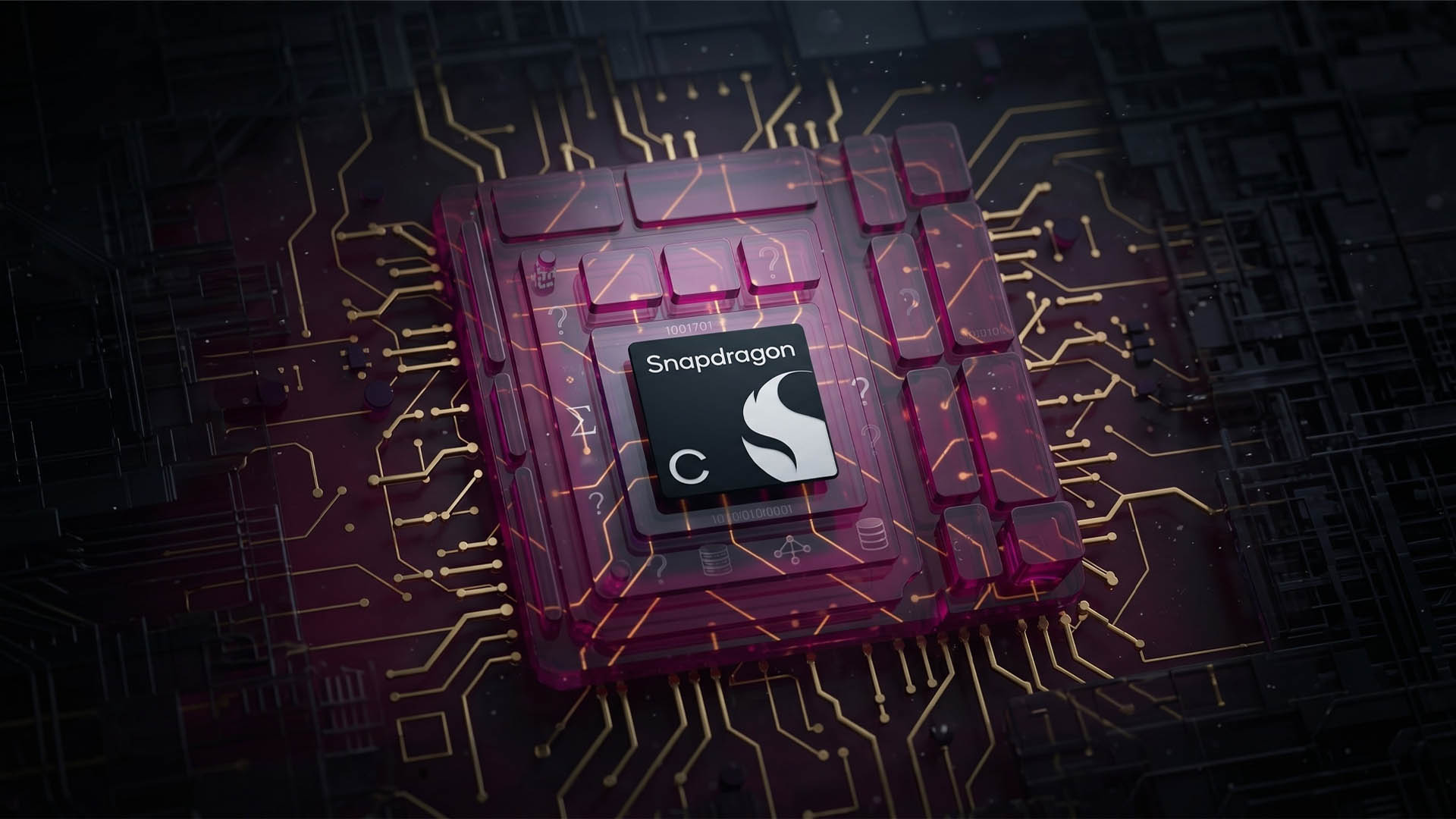
Qualcomm is staking its claim in the ultra-thin laptop market with the Snapdragon C platform, but whether it can displace established x86 processors hinges on more than just hardware. The new chip features a 10-core CPU and 8GB of LPDDR5X RAM, positioning itself as a contender for always-connected devices. However, its real test will be in software optimization—a critical factor that could determine whether it becomes a mainstream player or remains a niche experiment.
The Snapdragon C’s architecture represents Qualcomm’s most ambitious push into x86-compatible territory yet. While the hardware specs—including support for up to 16GB of RAM and UFS 3.1 storage—are designed to match the performance of mid-range x86 laptops, the platform’s long-term viability rests on how smoothly Windows on ARM integrates with professional applications. Unlike Apple’s M-series chips, which benefit from near-universal app support, Qualcomm still faces significant challenges in ensuring compatibility for demanding software like Adobe Photoshop or Microsoft Office.
What Makes the Snapdragon C Different?
- CPU: A 10-core design (2x Cortex-A78 performance cores + 8x Cortex-A55 efficiency cores) balances power and efficiency, but it won’t match Apple’s M-series in raw performance without software optimizations.
- RAM: The baseline 8GB LPDDR5X RAM aligns with Apple’s MacBook Air (M1), but real-world performance depends on how efficiently Windows on ARM manages memory for multitasking.
- Display Support: Capable of driving up to 3K resolution at 120Hz, the platform targets premium ultra-thin displays, but battery life will be a deciding factor for users.
The Snapdragon C’s performance is a step forward, but it won’t compete with Apple unless Qualcomm can bridge the software gap. Current benchmarks suggest it falls short of Intel’s 12th Gen H-series in sustained workloads, meaning professionals may still prefer traditional x86 laptops for heavy-duty tasks.
Why This Matters
The Snapdragon C is more than just another chip—it’s a test of whether Qualcomm can build an ecosystem that rivals Apple and Intel. If the platform gains traction, it could redefine what ultra-thin laptops are capable of: longer battery life, thinner designs, and seamless connectivity without sacrificing performance. But if software limitations persist or OEMs hesitate to adopt it, the Snapdragon C risks becoming another ‘almost’ in a market where first-mover advantage is everything.
For Qualcomm, the stakes are high. The company has already made strides with its mobile and automotive chips, but breaking into the premium laptop segment requires more than hardware—it demands trust from developers and users alike. Whether it succeeds will depend on execution: Can Windows on ARM mature fast enough to meet professional demands? Will OEMs prioritize Snapdragon C in their roadmaps? The answers will shape the future of ultra-thin laptops, and Qualcomm’s bet on the Snapdragon C could either solidify its place at the table or leave it on the sidelines.