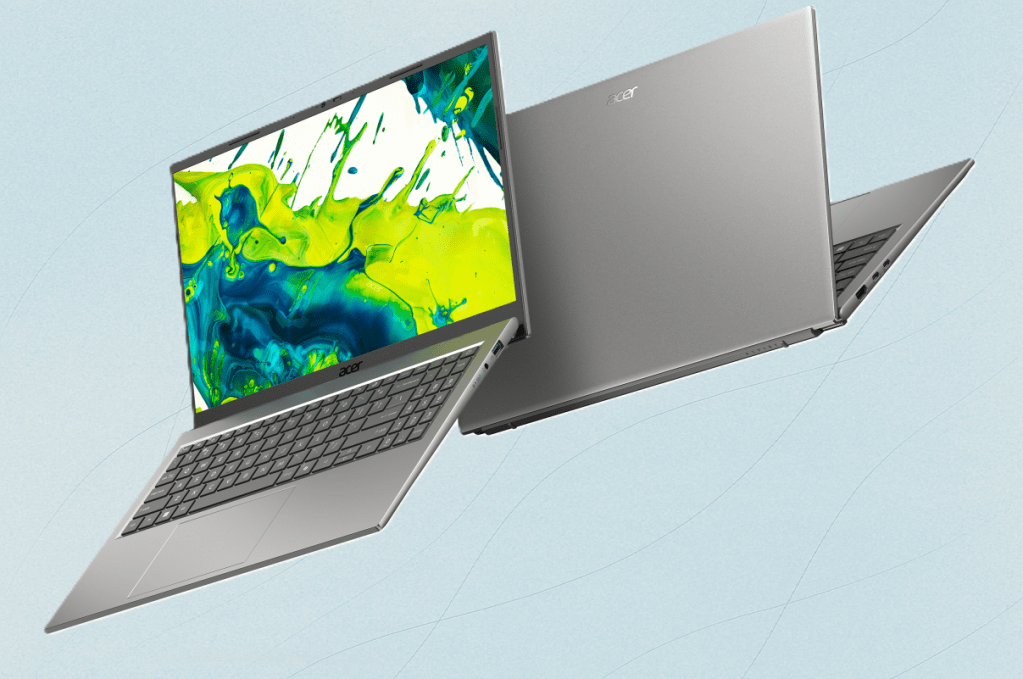
The Snapdragon C series is set to challenge the status quo of laptop performance, promising a significant leap in power efficiency without compromising on capability. With a starting price of $300, this platform could reshape how gamers and professionals approach workflows that demand both processing power and long battery life.
At its core, the Snapdragon C series is designed to deliver a balance between performance and thermal management, addressing one of the most pressing concerns in modern computing: heat. Traditional laptop architectures often struggle with thermal throttling, especially under sustained loads like gaming or video editing. The Snapdragon C series aims to mitigate this by optimizing power delivery and cooling, potentially offering more consistent performance over longer sessions.
Gamers, in particular, stand to benefit from this approach. High-end graphics tasks typically push hardware to its limits, leading to thermal throttling that can degrade frame rates or require frequent breaks to let systems cool down. The Snapdragon C series could change this dynamic by maintaining stable performance even during intense workloads, all while keeping power consumption in check.

Key Specifications
- Platform: Snapdragon C series (based on the ARM architecture)
- Performance: Designed for tasks ranging from light productivity to demanding gaming and AI workloads
- Power Efficiency: Targeted to deliver all-day battery life, even with intensive usage
- Thermal Management: Advanced cooling solutions to minimize throttling during sustained loads
- AI Capabilities: Integrated AI features for enhanced performance in machine learning tasks
- Price Point: Starting at $300, positioning it as a cost-effective alternative to traditional x86-based laptops
The Snapdragon C series is not just about raw performance; it’s about rethinking how laptops handle power and heat. By prioritizing efficiency, the platform could offer gamers and professionals a more seamless experience, where thermal throttling becomes less of an issue. This shift could also make high-performance computing more accessible, as the $300 price point suggests a move toward more affordable hardware without sacrificing capability.
However, the real-world impact remains to be seen. While the specifications are promising, actual performance will depend on how well the platform manages heat and power under real-world conditions. Gamers will need to weigh whether the improvements in efficiency justify the shift from traditional architectures, especially if software optimization for ARM-based platforms is still a work in progress.
For now, the Snapdragon C series represents a bold step forward in laptop design, one that could set a new standard for performance-per-watt. If it delivers on its promises, it may become a compelling option for those looking to balance power, efficiency, and cost—without sacrificing performance.