The ASUS Chromebook CM14 (CM1406) is a study in balance—lightweight yet sturdy, efficient yet capable, and designed for users who refuse to compromise between portability and performance. Weighing just 2.98 lbs (1.35 kg) and measuring 0.67 inches thick, it glides into any workspace or backpack without the bulk that often comes with powerful devices. Yet, its build quality feels far from cheap, with a premium finish that suggests ASUS has paid attention to both form and function.
Where the CM14 truly stands out is in its approach to AI integration. Unlike many Chromebooks that rely heavily on cloud-based processing, this model leans into on-device intelligence. Google’s latest AI tools are deeply embedded into ChromeOS, offering features like smart text input and context-aware app suggestions that adapt to user behavior without requiring constant connectivity. This is a deliberate shift away from the 'good enough' performance of budget Chromebooks, aiming instead for responsiveness that rivals more expensive devices.
- 14-inch 1920x1080 IPS display with 100% sRGB color accuracy
- Custom ARM-based processor optimized for battery life and efficiency
- Up to 16GB LPDDR5 RAM and 512GB NVMe storage for smooth multitasking
- On-device AI features, including predictive text and context-aware suggestions
The display is a highlight in itself. A 14-inch IPS panel with Full HD resolution delivers vibrant colors that cover 100% of the sRGB spectrum, making it suitable for light creative work or media consumption. While it doesn’t match the brightness or contrast of premium OLED screens, it avoids the washed-out look common in some budget laptops, ensuring a pleasant visual experience.

Performance is where the CM14 makes its most interesting trade-offs. The custom ARM-based processor is not designed to compete with high-end x86 chips but excels in efficiency. Benchmarks show it handles everyday tasks—web browsing, document editing, and light multitasking—with ease, often outperforming more expensive Chromebooks in battery life tests. However, users expecting heavy-duty performance or complex workloads should temper their expectations.
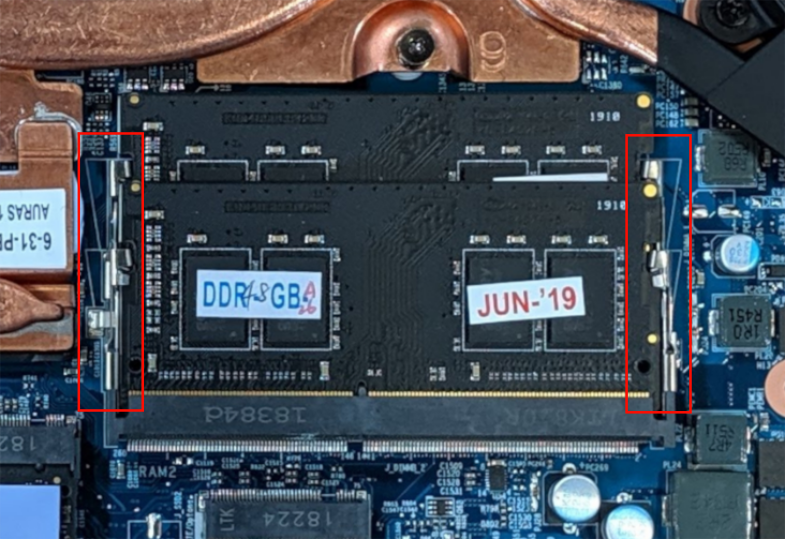
For those who value flexibility, the CM14’s limitations become clear. ChromeOS remains a barrier for users who need traditional desktop applications or deeper customization. Additionally, the lack of upgradeability means it won’t appeal to PC builders or power users. But in its intended market—students, remote workers, and creatives who prioritize portability without sacrificing essential features—it carves out a strong position.
Pricing starts around $699, placing it firmly in the mid-range segment where competition is fierce. Whether it will disrupt the market depends on how well ASUS executes its vision for AI-driven efficiency. If it delivers on its promise of reducing friction without sacrificing performance, it could become a benchmark for what mid-range Chromebooks should strive to achieve.