Samsung has slashed the price of its 34-inch 1440p ultrawide monitor by nearly half, bringing it down to $300—a move that could appeal to power users looking for high-resolution displays without breaking the bank. The discount, marking a 44% reduction from its previous price, reflects broader shifts in consumer electronics pricing but also raises questions about long-term software support and ecosystem integration.
The monitor, which features a 21:9 aspect ratio and a 1700R curvature for ergonomic viewing, remains a capable display for productivity tasks. Its 3440x1440 resolution delivers crisp text and smooth visuals, ideal for multitasking across multiple windows or creative workloads like photo editing. However, the price cut does not extend to other models in Samsung’s lineup, leaving users to wonder if this is a one-off adjustment or part of a larger strategy.
Industry observers note that while hardware discounts are common during economic downturns, software updates and driver stability often lag behind. Samsung’s recent focus on its own ecosystem—particularly with its DeX desktop mode—means users relying heavily on Windows may find limited incremental value in this display alone. The lack of a clear roadmap for future features or OS-level integration could dampen enthusiasm, even at the discounted price.
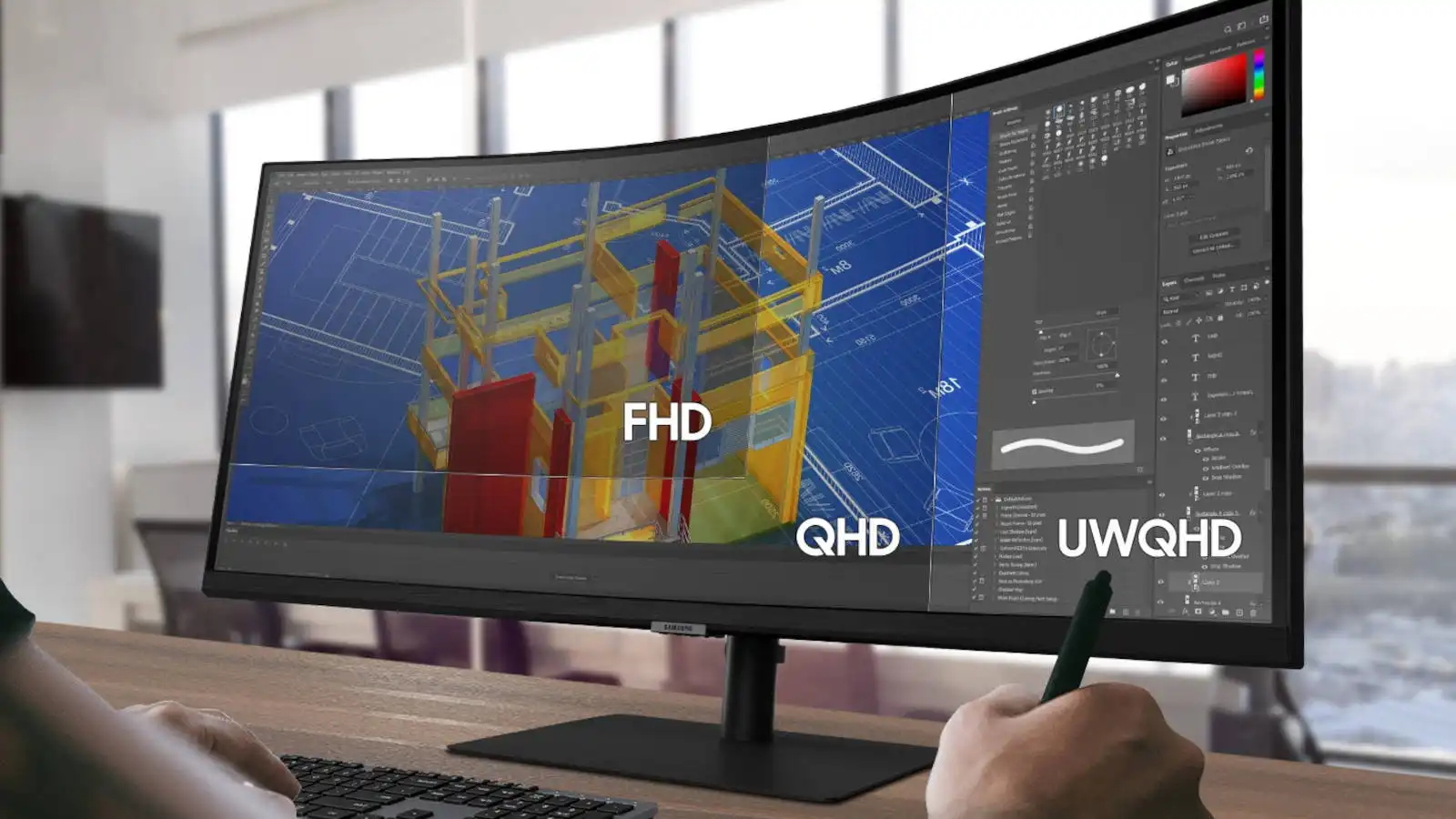
For businesses or individuals investing in multiple displays, the cost savings are undeniable. At $300, it undercuts competitors like LG and Dell, which typically charge closer to $400–$500 for similar ultrawide panels. Yet, the question remains whether this price point will sustain long-term demand or if buyers should wait for potential refreshes with improved brightness, adaptive sync, or better HDR performance.
Samsung has not announced a specific end date for the promotion, leaving the offer’s duration unclear. Whether this is a temporary flash sale or a permanent repricing remains to be seen. For now, the monitor stands out as an affordable entry into Samsung’s ultrawide segment, but its long-term appeal hinges on how well it integrates with both Windows and Samsung’s own software stack—a balance that hasn’t always been seamless in past releases.