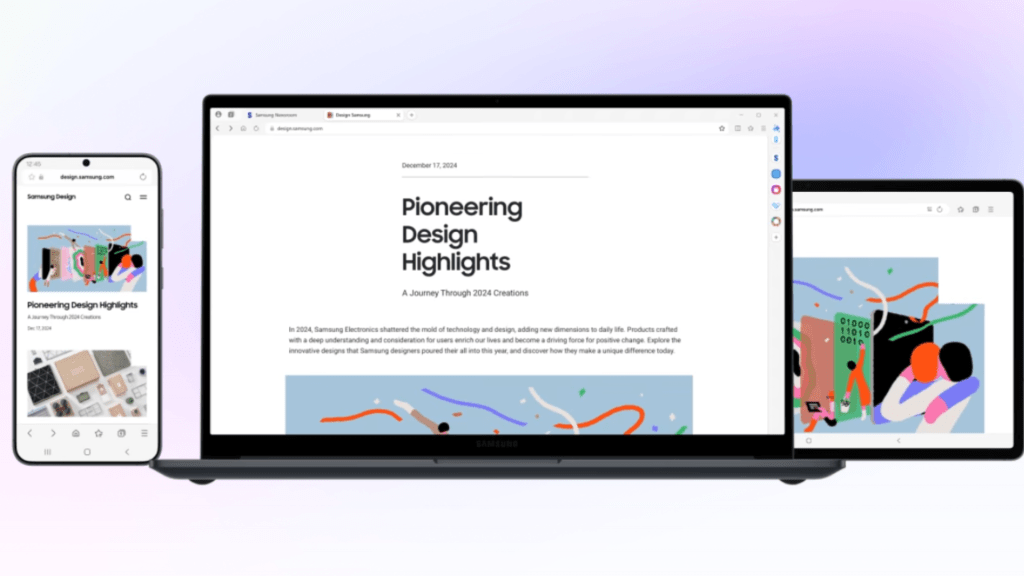
The Samsung Browser has landed on Windows, offering a fresh alternative to Chrome, Edge, or Firefox. But does it deliver enough value to justify switching, especially for non-Samsung users? The answer is nuanced.
On paper, the browser promises a seamless experience with deep ties to Samsung’s ecosystem—features like quick access to Galaxy Store apps and One UI customization. However, its performance on Windows devices is a different story. Benchmarking shows it lags slightly behind competitors in speed tests, particularly in memory usage, which could be a dealbreaker for power users or those with limited RAM.
One standout feature is the built-in ad blocker and privacy controls, which are more granular than what Chrome offers out of the box. This could appeal to users who prioritize data protection without needing additional extensions. But here’s the catch: these features are only as good as their implementation on Windows, where Samsung’s influence isn’t as dominant.
For now, the browser feels like a half-step forward—useful for Samsung loyalists but not yet compelling enough to sway non-Samsung users. Its availability is limited, and supply may be constrained until it gains traction outside its core audience.
At its core, this is about more than just a new browser; it’s a test of whether Samsung can carve out a niche in the fragmented Windows market without alienating its existing user base.