NVIDIA’s RTX 3060 12GB has reappeared on the Chinese market at $325, a move that forces buyers to weigh its outdated architecture against the newer RTX 5060—despite the latter offering only 8GB of VRAM.
This repricing arrives as NVIDIA’s latest generation GPUs dominate high-end workloads, leaving the 3060 in a niche between legacy and next-gen performance. The question now is whether its older Ampere design can still deliver value without the memory capacity of modern cards, or if it will become a relic in an increasingly demanding market.
Where the RTX 3060 12GB Fits Today
- Display: 4K output via HDMI 2.1 and DisplayPort 1.4a; 144Hz over HDMI, 240Hz over DisplayPort.
- Chip: Ampere architecture (GA106), 3584 CUDA cores, 12GB GDDR6 memory, 192-bit bus, 17.8 GFLOPS, 360W TDP.
- Memory: 12GB GDDR6, 17 Gbps effective clock, 384 GB/s bandwidth.
- Storage: No dedicated storage; relies on system SSD for OS and games.
- Power: Dual 8-pin PCIe power connectors, 360W TDP (recommended PSU: 550W).
- Cameras: None (consumer GPU, no dedicated camera module).
- Connectivity: HDMI 2.1, DisplayPort 1.4a, USB-C (for DP alt mode), PCIe 4.0 x16.
- Ports: 3x DisplayPort, 1x HDMI 2.1, 1x USB-C (DP alt mode).
- Pricing: $325 (China market, no confirmed global availability).
The RTX 3060 12GB’s 12GB VRAM is a relic in today’s landscape, where even the RTX 4090 ships with just 24GB. While it can handle 4K gaming at moderate settings, its performance is now overshadowed by DLSS 3.0 on newer cards—leaving it as a budget option for older titles or systems without ray tracing demands.
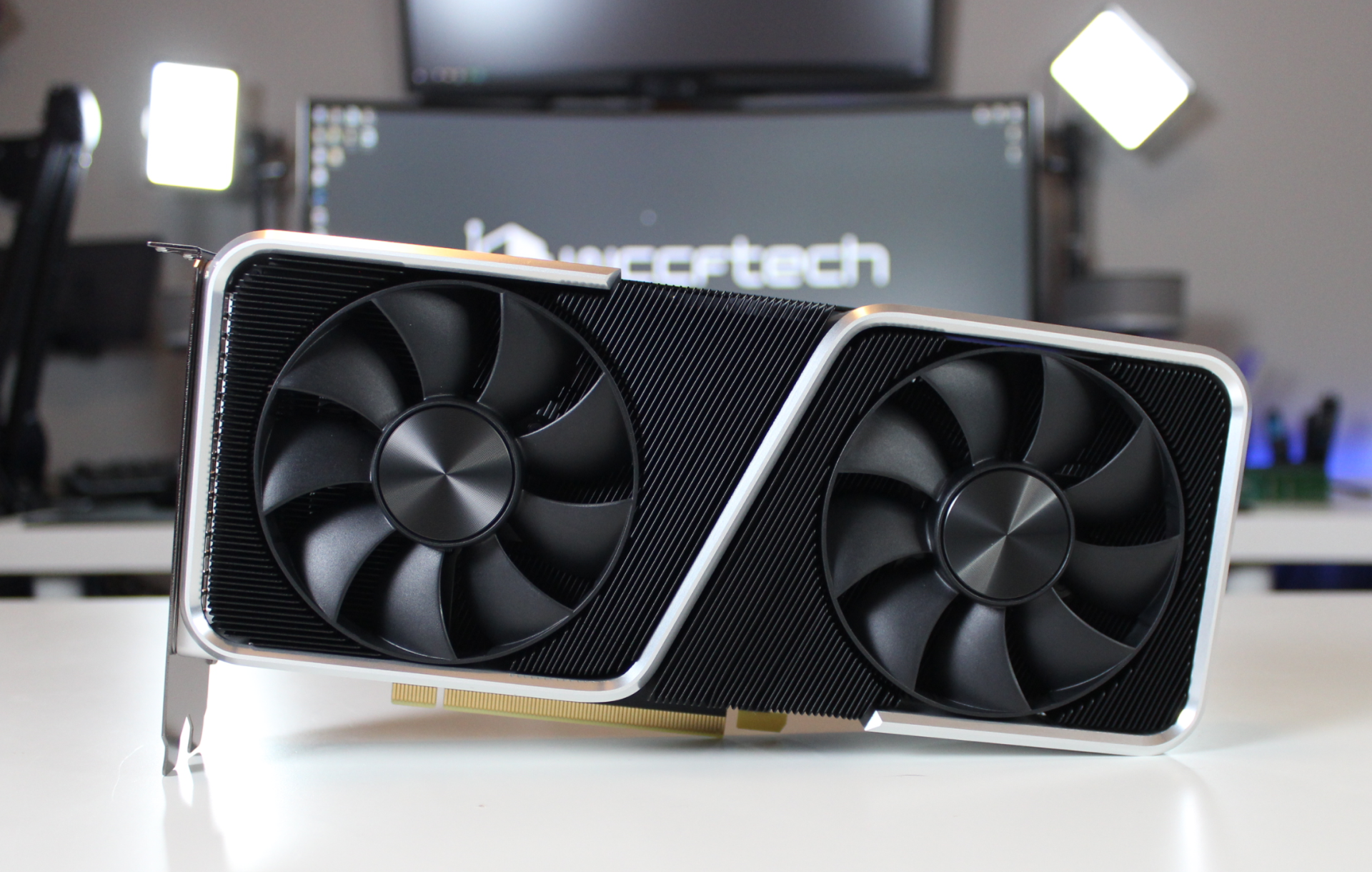
NVIDIA’s decision to reintroduce this card at such a low price suggests confidence in its ability to fill a gap, but the lack of modern features like AV1 encoding or improved ray-tracing performance means it won’t appeal to those prioritizing future-proofing. For IT teams evaluating GPU options for legacy systems or cost-sensitive deployments, the RTX 3060 12GB may still offer value—but only if the workload doesn’t demand today’s efficiency gains.
A Test of Value in a Shifting Market
The $325 price point is aggressive, but it also highlights the challenges of positioning a five-year-old GPU. While it undercuts the RTX 5060 on paper (VRAM and cost), the newer card’s improved ray-tracing performance and efficiency could still make it the better choice for most users. The reality check here is that NVIDIA isn’t pushing this as a high-end solution; it’s a stopgap, and its long-term relevance depends on whether demand for legacy hardware remains strong enough to justify production.
For now, the RTX 3060 12GB re-emergence is less about performance leadership and more about testing how far a GPU can stretch before becoming obsolete. If IT teams are looking for raw power, this isn’t it—but if they’re balancing budgets without sacrificing too much capability, it might still have a place in their inventories.