The TP-Link EAP670 HD extender is now priced at $80, marking one of the most affordable ways to tackle dead zones in home or small office networks. However, its performance isn’t universal—it relies heavily on compatibility with existing Wi-Fi setups, making it a device that delivers when conditions are right but falls short otherwise.
Wi-Fi extenders often overpromise, but the EAP670 HD stands out for its practical approach. It supports dual-band Wi-Fi 6 (802.11ax) with theoretical speeds up to 3 Gbps, yet those numbers only translate to real-world gains if paired with a router that matches its capabilities. Older routers or non-Wi-Fi 6 devices will see minimal improvements, even at this discounted price.
Where It Works Best
The extender is tailored for environments where signal loss creates noticeable gaps—such as gaming setups, home offices, or larger apartments. Its strength lies in its backward compatibility: it functions with Wi-Fi 4 (802.11n) and Wi-Fi 5 (802.11ac) routers, though peak performance requires a Wi-Fi 6-capable router. For power users, this means faster speeds in high-traffic areas, but only if the router can support them.
Key Specifications
- Dual-band Wi-Fi 6 (2.4 GHz and 5 GHz)
- Theoretical max speed: 3 Gbps (real-world performance varies)
- Backward compatible with Wi-Fi 4/5 routers
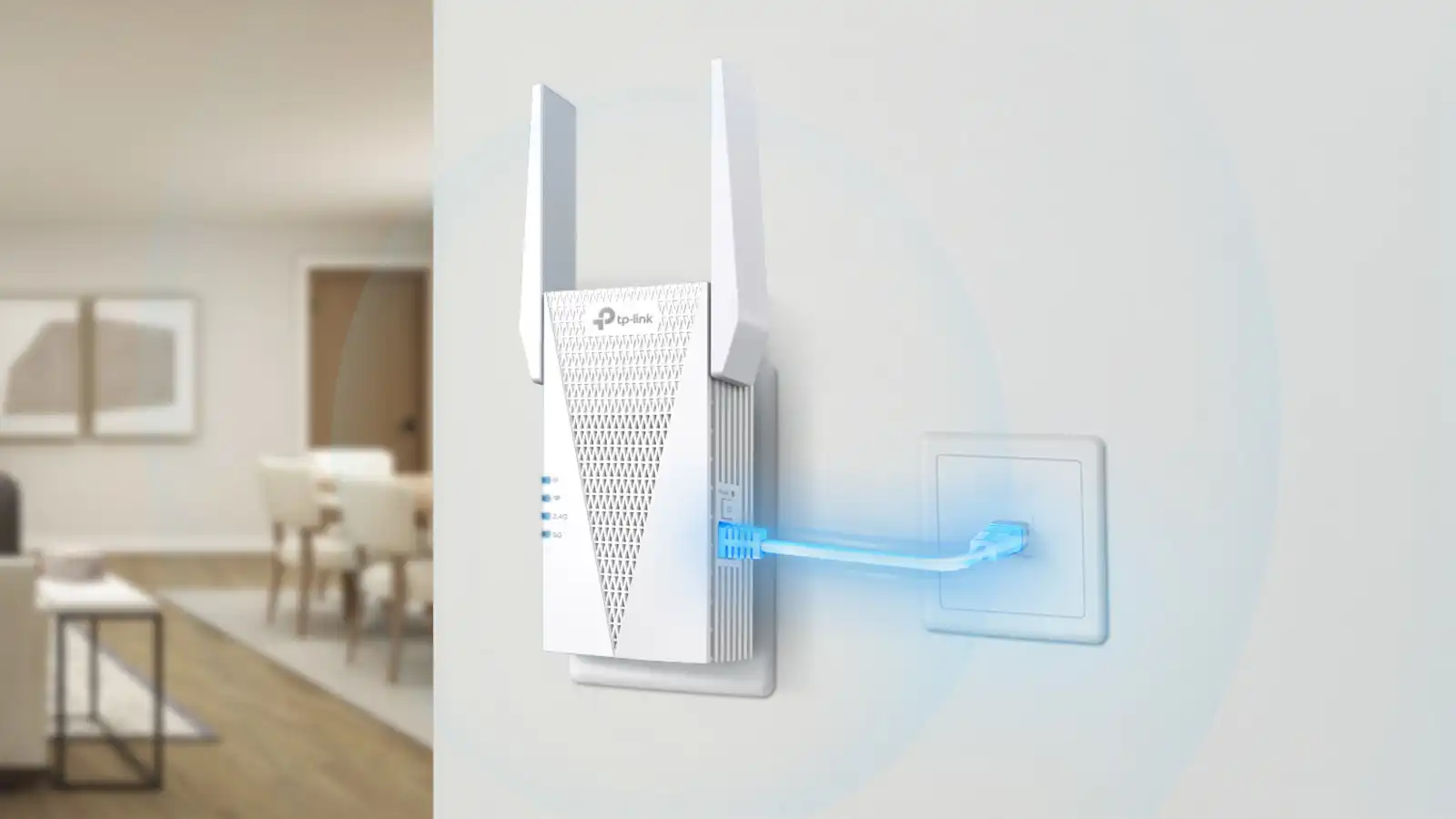
- Deployment options: wall-mounted or standalone
- Price: $80 (lowest ever)
The EAP670 HD is designed for simplicity, not advanced features. It lacks mesh capabilities—its sole purpose is to extend existing signals without adding complexity. This is its advantage: no complicated setup or multiple nodes required. The downside? For homes spanning multiple floors or large open spaces, a single extender won’t suffice, and additional units would be necessary, increasing costs.
Who Benefits the Most
Power users with mid-range Wi-Fi 6 routers will find this extender most valuable. If your router already supports Wi-Fi 6, the EAP670 HD can push speeds closer to theoretical limits in dead zones, making it a practical upgrade for those who prioritize performance. However, if you’re still using older hardware, don’t expect significant improvements—only marginal gains over what you already have.
For small offices or apartments where coverage gaps are localized—a corner room with weak signal, for example—this extender is a cost-effective solution. It’s not meant to replace a full mesh system, but it can efficiently fill in the gaps. The $80 price tag makes it an attractive option for those who’ve been waiting for extenders to become more affordable.
Future-Proofing Questions
The extender’s long-term viability remains uncertain. Wi-Fi 7 is on the horizon, and while TP-Link has a track record of firmware updates, there’s no confirmed roadmap for Wi-Fi 7 support yet. For now, it serves current needs well, but those planning to upgrade their routers in the near future may want to wait.
In conclusion: The EAP670 HD is a solid choice today for power users with compatible setups, offering noticeable improvements where it matters most. However, its adaptability to future Wi-Fi standards is untested, leaving its long-term usefulness open to question. It’s a practical tool now, but like all technology, it won’t last forever without upgrades as standards evolve.