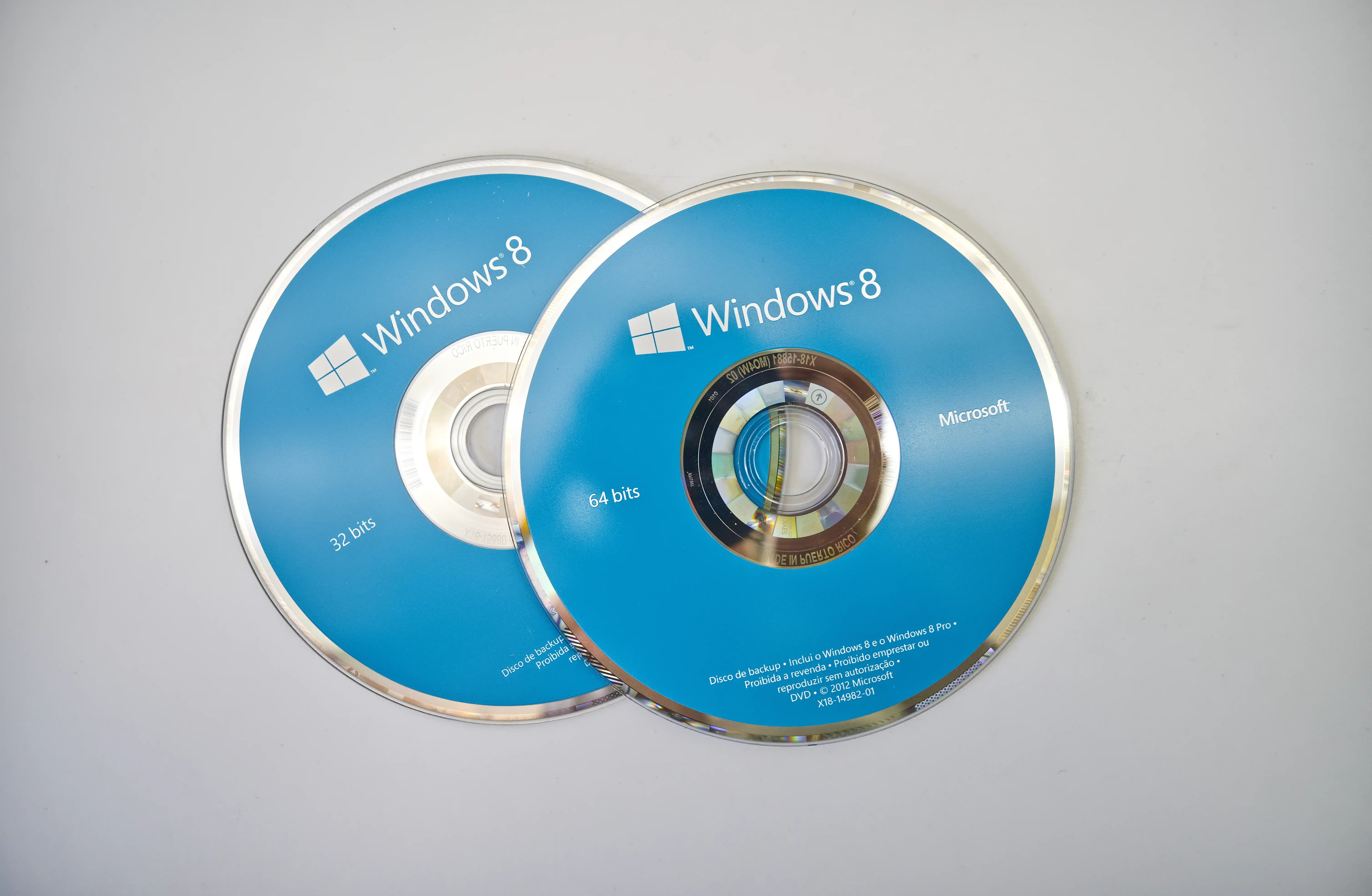
Windows 8 was supposed to be a stepping stone—a system that would guide users from traditional desktops toward a touch-driven future. But while Microsoft shifted focus to newer versions, Windows 8 carved out its own niche, thriving in environments where longevity matters more than progress. It’s not just about running on outdated hardware; it’s about fulfilling needs that other operating systems ignore.
Launched in October 2012, the OS arrived with a bold vision: full-screen apps, a Start Screen that replaced the traditional desktop, and an interface built for touch. Yet its true legacy lies not in those radical choices but in the roles it continues to play today. Where Windows 10 and 11 dominate consumer markets, Windows 8 remains entrenched in industrial controls, medical devices, and digital signage—systems where uptime is critical and updates are an afterthought.
Why Windows 8 Still Matters
The OS’s resilience stems from its practicality. Many devices—ATMs, retail terminals, and embedded systems—were designed around Windows 8 long before the internet of things became mainstream. Replacing them isn’t just expensive; it’s often unnecessary. These machines don’t require the latest security patches or modern features—they need a system that runs without interruption for years.
- Performance: It operates efficiently on mid-range hardware, with 4GB of RAM or more, making it ideal for fixed-function devices.
- Touch and Pen Support: Its design remains optimized for touch input, keeping it relevant in kiosk and interactive display applications.
- Minimal Maintenance: Fewer driver updates are needed compared to newer Windows versions, reducing operational costs for businesses.
- No Forced Upgrades: Unlike Windows 10 or 11, locked-down systems can avoid mandatory updates, extending their lifespan indefinitely.
Even Microsoft’s own hardware has kept the OS alive. The Surface RT, a short-lived tablet line, ran on a customized version of Windows 8, demonstrating that the platform wasn’t entirely obsolete. For developers and enthusiasts, community-driven updates have restored stripped features, ensuring its relevance in niche circles.
A System That Resists Change
Windows 8’s survival is a counterpoint to the usual software lifecycle. While newer versions of Windows dominate consumer desktops, this OS persists where innovation isn’t the priority. It’s a relic of Microsoft’s early attempts to redefine personal computing—an experiment that didn’t fully succeed but left behind a system built for endurance.
For businesses and developers, sticking with Windows 8 is often a matter of pragmatism over preference. Migrating to newer systems can be costly, time-consuming, and disruptive, especially when the old one works flawlessly. As long as there are devices built around it—and organizations unwilling or unable to upgrade—Windows 8 will endure, not as a leader, but as a stubborn survivor.
The most striking aspect of its legacy isn’t its features or performance metrics but the fact that it’s still running at all. In an era where software updates are constant and security is paramount, its persistence stands out. It’s a reminder that some systems aren’t meant to lead; they’re built to last, adapting to needs no one else has bothered to address.