A new tier in Xbox Game Pass is set to launch this May, targeting players who want access without the full library. Dubbed the Starter tier, it will offer a curated selection of games at a lower price point—$1 per month—but the question remains: how much does it actually strip away from the Essential tier?
Engineers and industry observers are already parsing the details, noting that while the Starter tier introduces a more affordable entry, it also comes with clear limitations. The focus here isn’t just on cost; it’s about platform compatibility, workload distribution, and whether this tier can carve out its own niche without becoming a budget-friendly shadow of what Game Pass Essential already delivers.
What the Starter Tier Brings to the Table
The Starter tier is designed as a lightweight alternative, removing some of the heavier titles that typically demand more robust hardware. Games like Forza Horizon 5, Starfield, and Halo Infinite are notably absent from the lineup, replaced by a mix of indie darlings and lighter single-player experiences. This isn’t just about reducing the catalog; it’s a deliberate shift toward games that can run smoothly on mid-range or even lower-end systems without sacrificing quality.
For data workloads—whether in gaming or AI training—the implications are worth examining. The Starter tier, for example, is expected to prioritize games with smaller footprints, meaning less strain on memory and storage. While this doesn’t translate directly to raw performance benchmarks (no 120Hz support, no dynamic frame rates), it does open the door for a more accessible entry point. Players who previously found Game Pass Essential too resource-intensive or expensive can now dip their toes in without committing to the full experience.
Where the Trade-Offs Become Clear
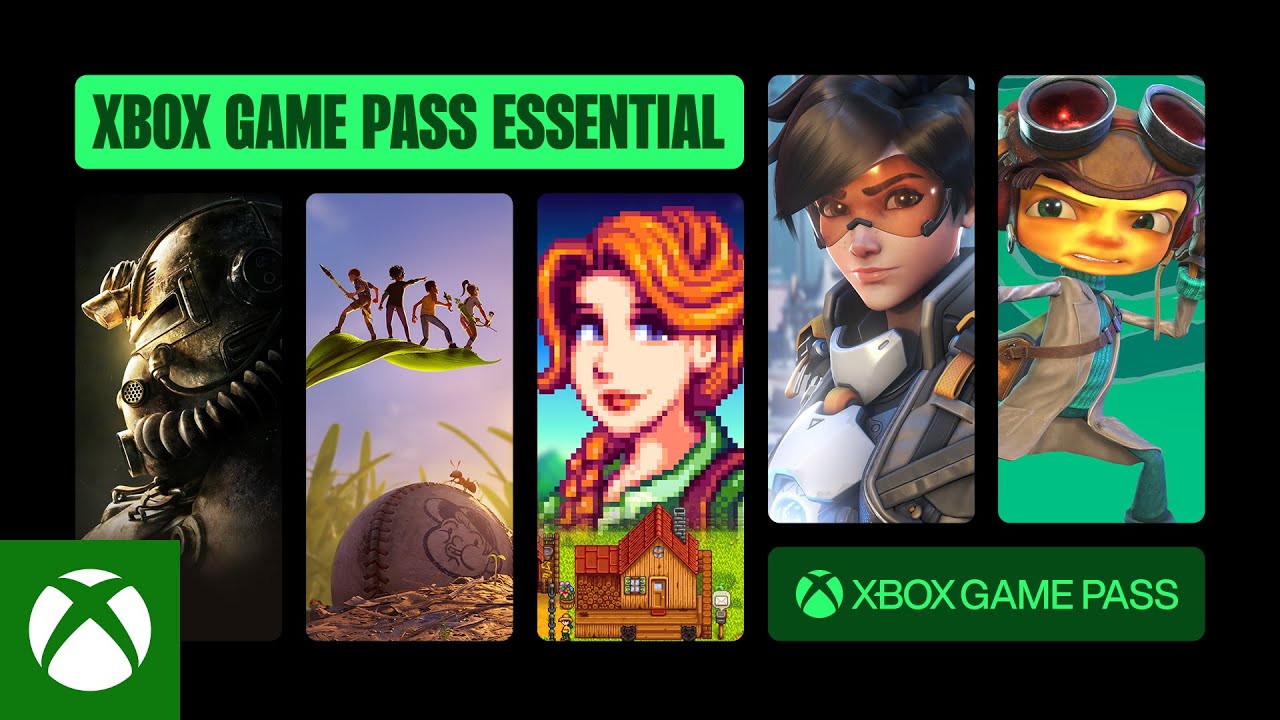
- Game Selection: The Starter tier will feature around 100 games, compared to the 400-plus in Essential. This isn’t just a number; it’s a philosophical difference. Essential is built for breadth and depth, while Starter is about curation and intentionality.
- Performance: No support for next-gen features like ray tracing or 120Hz refresh rates. Games are optimized for 30fps at 1080p, a far cry from the high-end experiences Essential delivers.
- Backward Compatibility: While the Starter tier includes some Xbox One and original Xbox titles, the selection is more limited than in Essential, where backward compatibility is a cornerstone feature.
The real test will be adoption. Will players see this as a genuine alternative, or will it feel like a watered-down version of what they already have? For data workloads, the lack of heavy hitters could actually be an advantage—less memory contention, fewer storage demands—but it also means fewer options for large-scale simulations or AI training scenarios.
Context matters here. Game Pass Essential has been a staple since 2017, and its library has grown exponentially. The Starter tier isn’t replacing it; it’s supposed to complement it. But in practice, the lines between tiers can blur, especially when the price difference is so stark.
The bottom line is simple: the Starter tier changes the equation for budget-conscious players or those with lighter hardware, but it doesn’t redefine what Game Pass can do. It’s a leaner, more affordable version of an established platform—a trade-off that some will embrace and others will overlook in favor of the full experience.