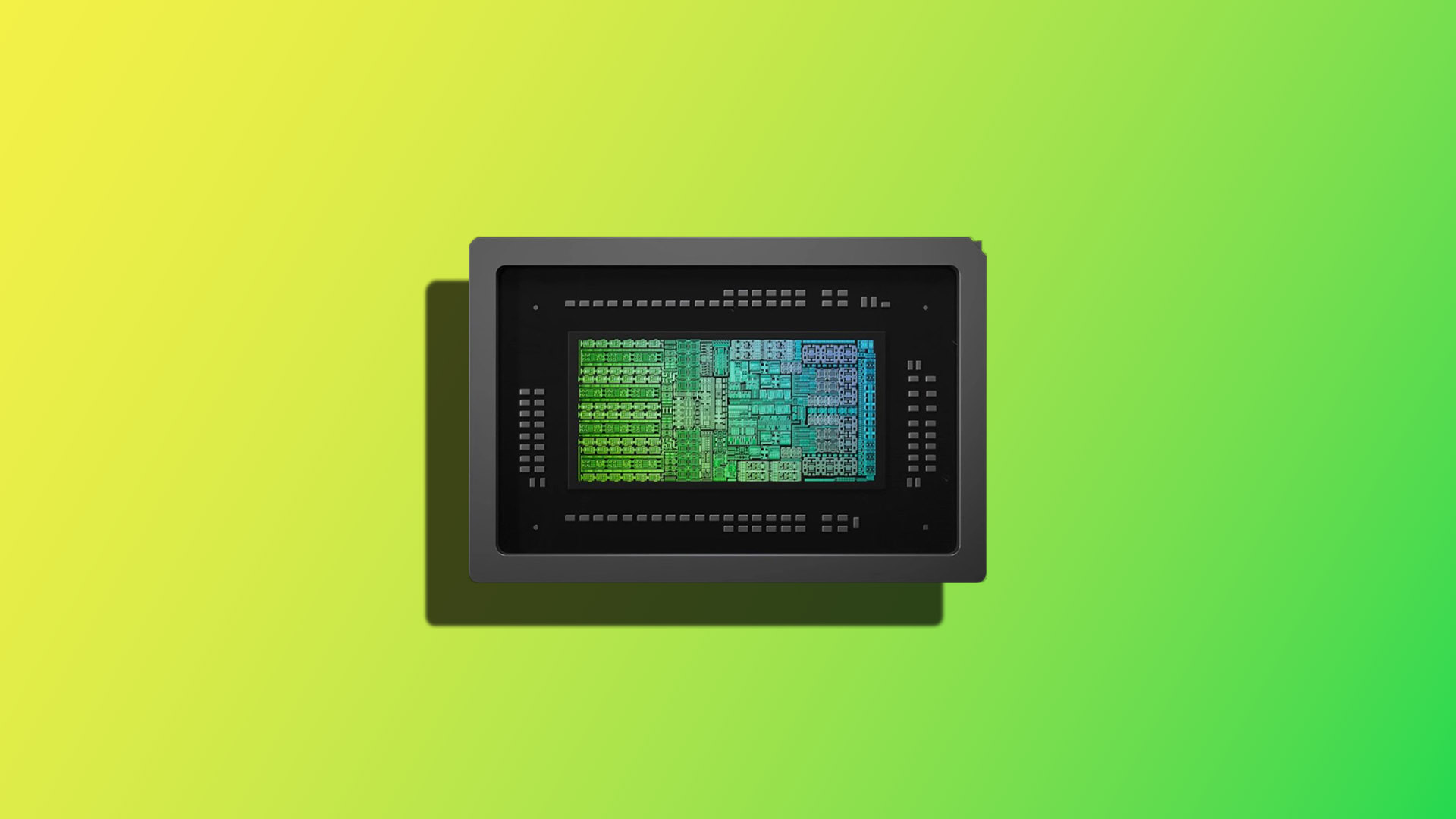
The story surrounding the PlayStation 2 and its potential military applications began circulating around the year 2000. The core of the legend involved Saddam Hussein’s government allegedly attempting to procure a significant number of the consoles, intending to connect them into a massive supercomputer. This envisioned system was purportedly designed for advanced missile guidance, leveraging the console's unique Emotion Engine processor – a dedicated co-processor originally intended for enhanced 3D graphics.
At the time, the Emotion Engine represented a considerable leap in processing capabilities for consumer hardware. Its architecture, while optimized for gaming, possessed raw computational power that raised eyebrows among intelligence agencies and government officials. The idea of utilizing this technology for military purposes was understandably alarming. This narrative quickly gained traction within the tech community and became a widely discussed urban legend.
While the initial claims surrounding Saddam Hussein’s acquisition efforts were later debunked as largely speculative, the underlying concern about the PlayStation 2's potential – and its ability to be repurposed for military applications – persisted. The console’s architecture, with its dedicated hardware acceleration and relatively high clock speeds, presented a unique scenario that hadn’t been widely considered in the context of consumer electronics at the time.
Japanese Government Concerns & Early Investigations
Crucially, this legend wasn't born in a vacuum. Initial anxieties were voiced within the Japanese government itself. Intelligence agencies reportedly investigated Sony’s sales and distribution channels, seeking evidence of unauthorized exports or suspicious purchases. The aim was to determine if the PlayStation 2 was being diverted towards military applications – a scenario that could have significant geopolitical implications.
Reports suggest that these investigations were prompted by concerns regarding the Emotion Engine's capabilities. The processor’s ability to perform complex calculations, originally designed for creating realistic character movements and environments in games, could theoretically be adapted for tasks like trajectory analysis or signal processing – crucial elements in missile guidance systems.
The government’s apprehension stemmed from a broader trend of technological advancements being exploited for military purposes. The rise of personal computers and digital technologies during the late 1990s had already begun to blur the lines between civilian and military applications, leading to heightened scrutiny of emerging consumer electronics.
Confirmation & Context Through Industry Veteran
Recent developments have brought renewed attention to this long-standing legend. A statement from a prominent developer involved in iconic titles like Final Fantasy IX and Chrono Trigger has corroborated the initial concerns raised by Japanese authorities. This individual, who wishes to remain anonymous for this discussion, stated that during the early 2000s, there was indeed genuine worry within the Japanese government regarding the potential military applications of the PlayStation 2’s hardware.
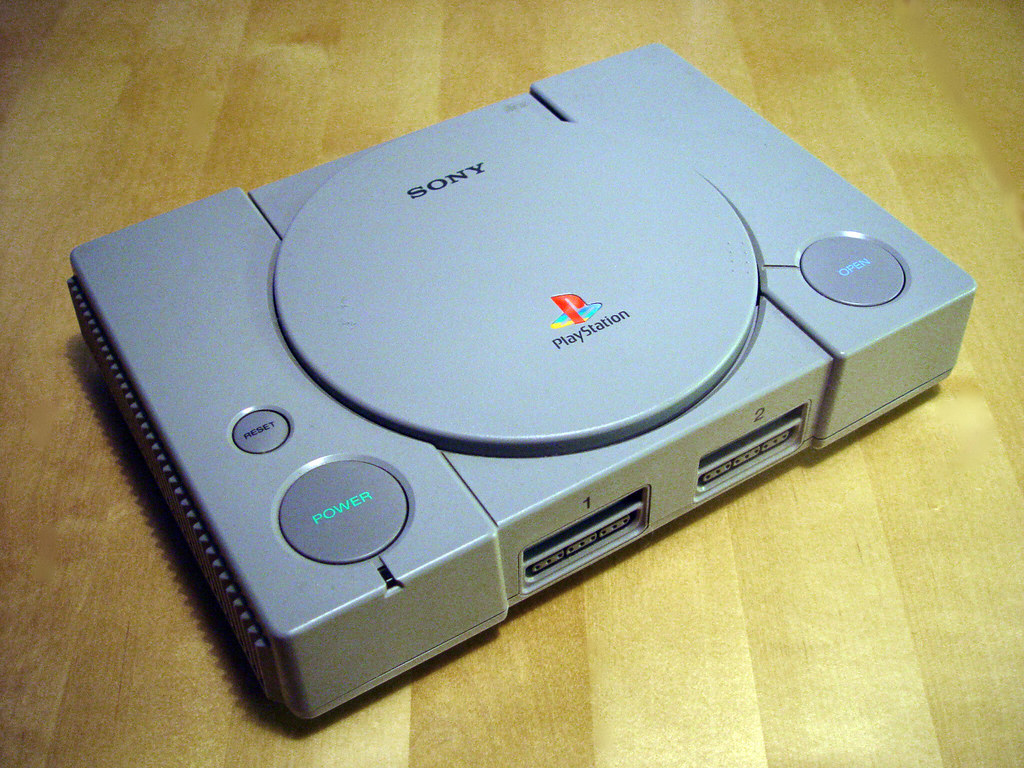
This confirmation provides a significant layer of credibility to the legend. While it doesn't definitively prove that Saddam Hussein actually purchased thousands of consoles, it does validate the initial concerns expressed by those in positions of authority at the time. The developer’s account underscores the perceived seriousness with which Sony’s technology was viewed – a perception shaped by the Emotion Engine’s unique capabilities and the rapid evolution of computing power.
The Emotion Engine: A Key Component
Understanding the Emotion Engine is crucial to grasping the genesis of this legend. Developed specifically for the PlayStation 2, it was designed to accelerate 3D graphics processing, allowing for more realistic character movements and environments. However, its architecture – a complex system of dedicated processors and memory – possessed significant computational power that could have been repurposed for other applications.
Unlike traditional CPUs which handle general-purpose tasks, the Emotion Engine was optimized for specific calculations related to 3D graphics. This specialization meant that it could perform these calculations far more efficiently than a standard CPU, offering a considerable advantage in gaming. This inherent processing power fueled concerns about its potential use beyond entertainment.
Legacy & The Evolution of Tech Concerns
The PlayStation 2 legend serves as a fascinating case study in how perceptions of technology can shape public opinion and influence government policy. It highlights the challenges faced by tech companies when releasing innovative products with potentially dual-use applications – that is, technologies that could be used for both civilian and military purposes.
Furthermore, it reflects broader anxieties surrounding technological advancements during a period of geopolitical tension. The legend underscores the importance of vigilance and oversight in monitoring emerging technologies to prevent their misuse. While the specific scenario involving Saddam Hussein never materialized, the underlying concerns about the potential for consumer electronics to be exploited for military applications remain relevant today, particularly with the rise of powerful personal computers, mobile devices, and increasingly sophisticated artificial intelligence.
The story continues to resurface periodically, often fueled by nostalgia for the early days of PlayStation 2 and a reminder of how quickly perceptions can shift regarding technological capabilities. It's a testament to the enduring power of an urban legend – one that began with genuine concerns and ultimately highlighted the complex relationship between technology, security, and global politics.