Noctua is set to launch a phase-change all-in-one (AIO) liquid cooler at Computex 2026, marking a significant evolution in silent PC cooling. Unlike conventional AIO designs that rely on pumps—often the source of low-frequency hum—the new model will use a thermosiphon system, eliminating moving parts and reducing noise to near-zero levels while maintaining high thermal performance.
The technology builds on Noctua’s 2024 prototype, which already demonstrated the potential of pump-free cooling. By leveraging phase-change principles, the cooler aims to deliver cooling efficiency comparable to traditional AIOs but without the trade-off of noise or maintenance concerns. This approach could redefine expectations for silent builds, particularly in environments where acoustic performance is critical.
Noctua’s partnership with Asetek, announced earlier this year, suggests a dual launch at Computex 2026: one conventional AIO alongside the phase-change model. While details on pricing and exact specifications remain under wraps, industry speculation points to a premium positioning for the thermosiphon design, likely targeting enthusiasts and professional users prioritizing silence over cost.
For IT teams and system builders, this development introduces a new variable in cooling selection: whether the marginal performance gains of phase-change cooling justify the potential price premium. Traditional AIOs remain dominant in terms of raw cooling capacity, but for applications where noise is unacceptable—such as data centers or media studios—the new design could shift decision-making dynamics.
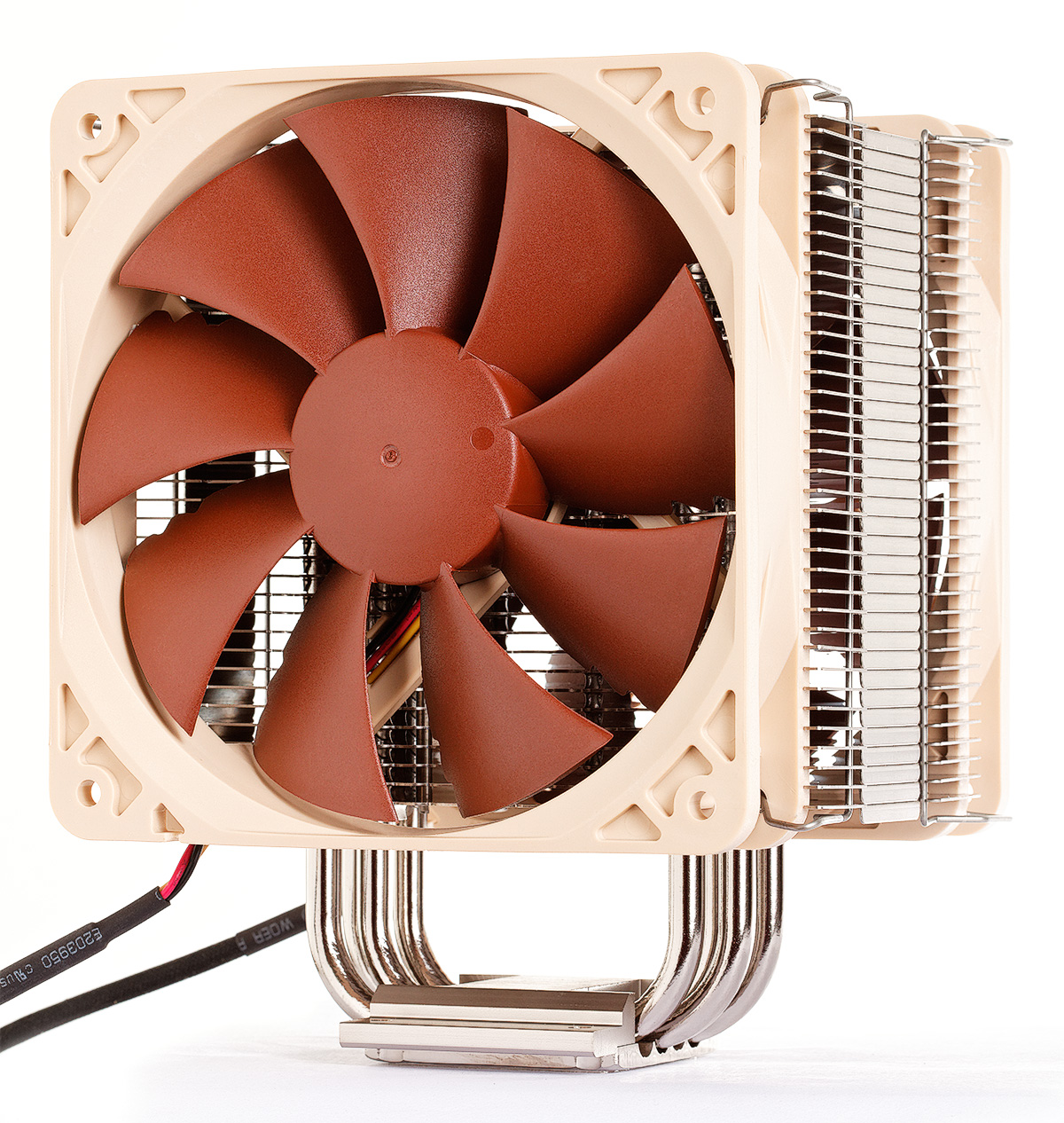
The phase-change cooler’s long-term viability hinges on its ability to match the efficiency of pumped systems without sacrificing performance. If it delivers even a slight edge in heat dissipation while maintaining silence, it could carve out a niche for ultra-quiet builds. However, whether users will pay a premium for this innovation remains an open question, given the already competitive landscape of high-performance coolers.
One confirmed detail is Noctua’s commitment to silence: by removing the pump, the cooler eliminates a common source of low-frequency noise that persists even at minimal fan speeds. This could be particularly relevant for DDR5 systems or high-end DDR4 builds where thermal management is increasingly critical. The partnership with Asetek ensures access to proven liquid cooling infrastructure, but the phase-change design represents a departure from conventional norms.
What’s clear is that Noctua is pushing boundaries in cooling technology, prioritizing efficiency and silence over traditional metrics like price or raw performance. Whether this strategy resonates with users—or becomes another curiosity in a crowded market—will depend on how effectively the phase-change cooler balances innovation with practicality.