Dell Reassesses Customer Demand for AI Integration
The technology landscape is currently dominated by fervent discussions around Artificial Intelligence (AI). Numerous PC manufacturers have embraced this trend, heavily promoting AI capabilities within their product lines. However, Dell Technologies is taking a different approach, announcing a strategic shift based on direct customer feedback.
Internal Assessment Reveals Limited Interest
Recent internal communications suggest that Dell has conducted thorough assessments of consumer interest in AI-driven features across its range of products. These evaluations have revealed a notable lack of significant demand for AI integration within the company’s offerings, leading to a reassessment of previously stated priorities.
A Departure from ‘AI-First’ Messaging
Previously, Dell had been actively incorporating ‘AI’ into its marketing materials and product descriptions. This strategy aligned with broader industry trends, reflecting an eagerness to capitalize on the growing excitement surrounding AI technology. However, the company's latest internal communications signal a deliberate move away from this approach.
- Strategic Realignment: Dell is prioritizing a more nuanced understanding of customer needs and preferences.
- Product Focus Remains Key: The core focus remains on delivering robust performance and functionality within each product category.
- Customer-Centric Approach: The decision underscores the importance of aligning technological advancements with demonstrable consumer demand.
Industry Context & Broader Trends
Dell’s adjustment comes amidst a wider industry conversation about the pace and direction of AI adoption. While many companies are aggressively promoting AI features, concerns remain regarding their practical application and value proposition for consumers. There's a growing recognition that ‘AI’ is often used as a marketing buzzword without fully translating into tangible benefits for users.
The CES 2026 Landscape & Initial Impressions
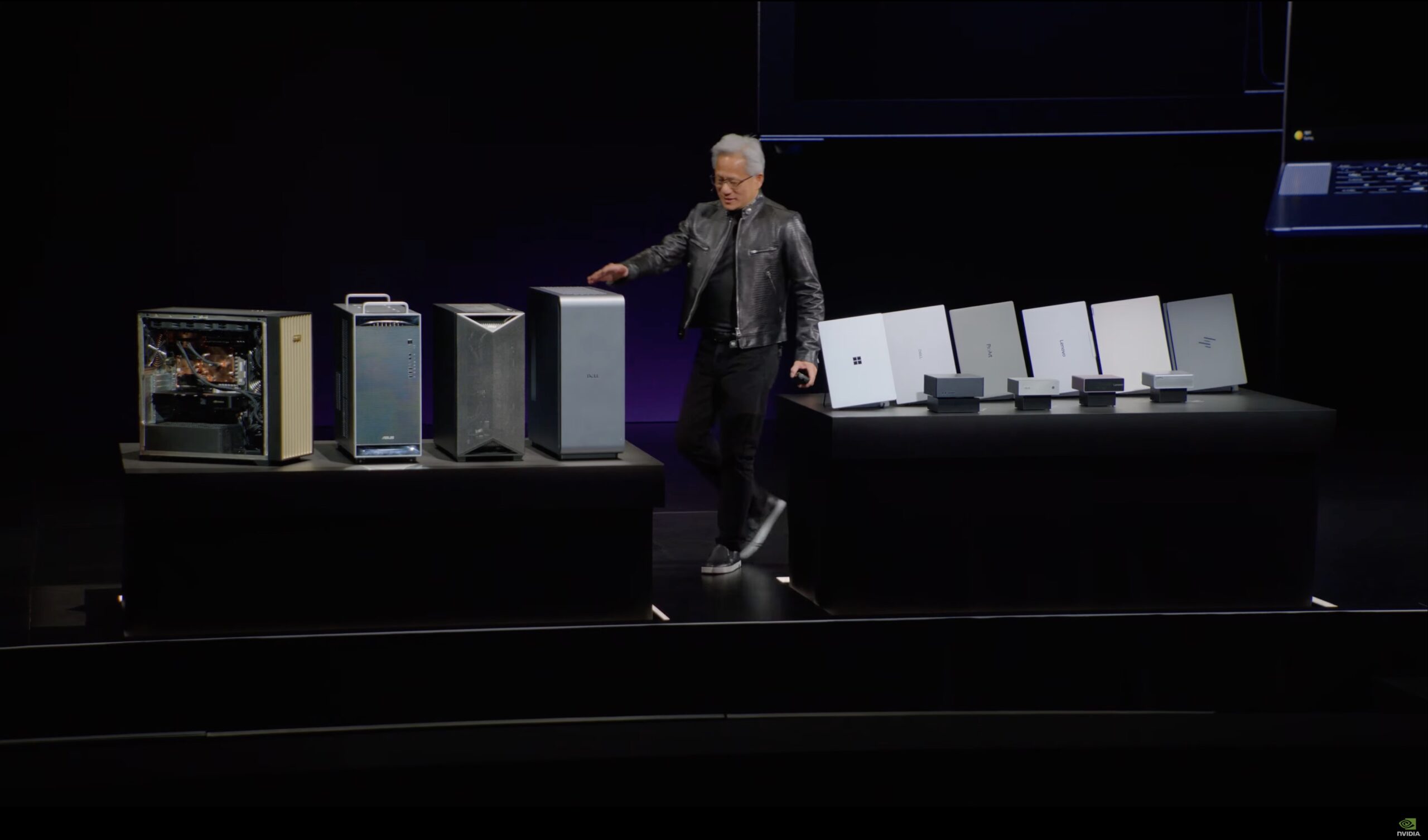
Following this strategic shift, Dell’s presence at recent industry events, including the Consumer Electronics Show (CES), reflected a more measured approach. Rather than heavily emphasizing AI-driven features, presentations focused on core product performance and innovative design elements. This indicates a deliberate effort to present a balanced view of the company's offerings without overpromising or relying solely on AI marketing rhetoric.
Implications for the PC Market
Dell’s decision is likely to have implications for other PC manufacturers considering similar ‘AI-first’ strategies. It suggests that simply adding AI components isn’t enough; companies must genuinely address customer needs and demonstrate how AI enhances their products' functionality. This could lead to a more discerning approach within the industry, with greater emphasis on product quality, performance, and user experience rather than relying solely on the hype surrounding artificial intelligence.
Focusing on Practical Applications
Moving forward, Dell is expected to concentrate on developing AI-powered solutions that provide tangible benefits for its users. This could involve integrating AI into existing software applications or exploring specific use cases where AI can genuinely improve productivity and efficiency. The emphasis will be on delivering practical value rather than simply showcasing the presence of ‘AI’ within a product.
Looking Ahead: Customer Engagement & Product Development
Dell's approach signals a renewed commitment to customer engagement, with plans for more direct feedback collection regarding desired features and functionality. This data will be crucial in guiding future product development efforts and ensuring that Dell’s offerings align with genuine market demand. The company is likely to prioritize iterative improvements based on user input rather than pursuing large-scale, AI-driven initiatives without a clear understanding of their potential impact.
The shift represents a valuable lesson for the broader technology sector: innovation must be grounded in customer needs and validated through real-world usage. A measured, customer-centric approach is likely to prove more sustainable and ultimately more successful than chasing fleeting trends.