OneDrive has rolled out a new image-editing tool called Restyle, designed to streamline photo enhancements using AI-driven features. Unlike traditional editing software, Restyle focuses on intuitive controls that allow users to refine images without the complexity often associated with advanced tools.
- AI-Powered Enhancements: Restyle uses machine learning to suggest edits, such as adjusting colors, removing objects, or refining details, while preserving the original image quality.
- User Control and Privacy: Unlike some AI tools that prioritize speed over precision, Restyle emphasizes manual oversight, ensuring users retain control over the final output. No cloud-based processing is required for basic edits, reducing latency and privacy concerns.
- Integration with OneDrive: The feature is seamlessly embedded within OneDrive, allowing users to edit images directly from their stored files without needing external software.
- No Subscription Required: Restyle is available as part of the standard OneDrive experience, eliminating the need for additional subscriptions or premium plans.
The tool marks a shift in how image editing is approached, particularly in cloud-based environments. Previously, users relied on standalone applications that often demanded significant storage and processing power. Restyle, however, operates efficiently within OneDrive’s ecosystem, reducing the need for external dependencies while offering comparable functionality.
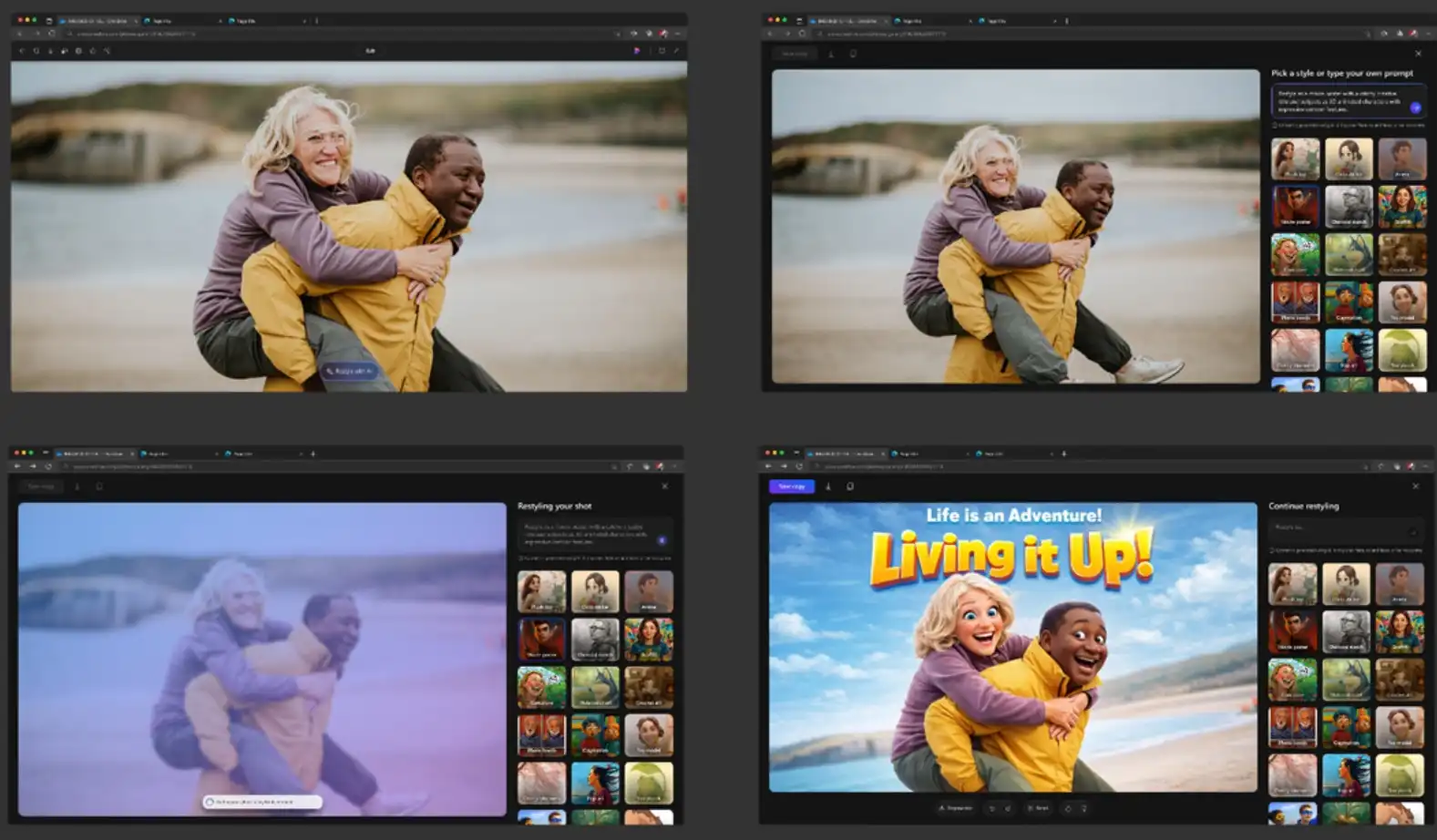
For developers, the introduction of Restyle raises questions about integration feasibility and workflow compatibility. While the tool simplifies image editing, its effectiveness in professional or large-scale projects remains to be tested. Key considerations include whether the AI suggestions align with project-specific requirements and how seamlessly it can be incorporated into existing development pipelines.
Looking ahead, OneDrive’s Restyle feature could influence how cloud-based editing tools are adopted across industries. If proven reliable, it may reduce reliance on specialized software, potentially reshaping upgrade decisions for teams prioritizing efficiency over raw performance.