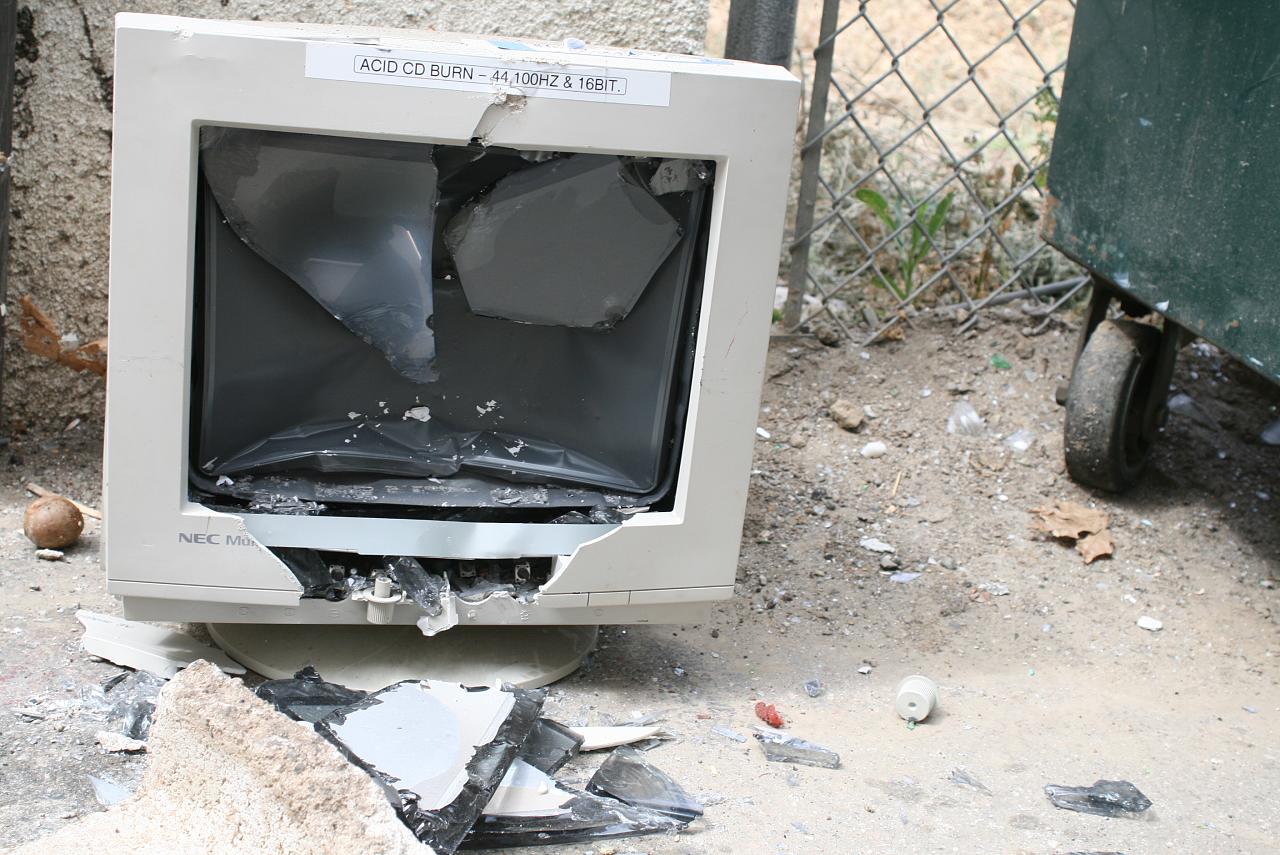
CES 2026 has cemented OLED monitors as a dominant force in the display market, yet their long-term viability for productivity users remains uncertain. Unlike traditional LCD panels, OLEDs are prone to burn-in—a phenomenon where static elements on the screen leave permanent imprints. This risk is particularly acute for PC users who rely heavily on their monitors for tasks beyond gaming.
Burn-in occurs when pixels remain in a fixed state for extended periods, such as with the Windows taskbar or desktop icons. While OLED TVs and smartphones face similar issues, their usage patterns differ significantly from those of productivity-focused monitors. For gamers, burn-in is less of a concern since games typically run in fullscreen mode, reducing static exposure. However, users who spend hours daily on tasks like document editing or multitasking may find themselves more vulnerable to visible degradation over time.
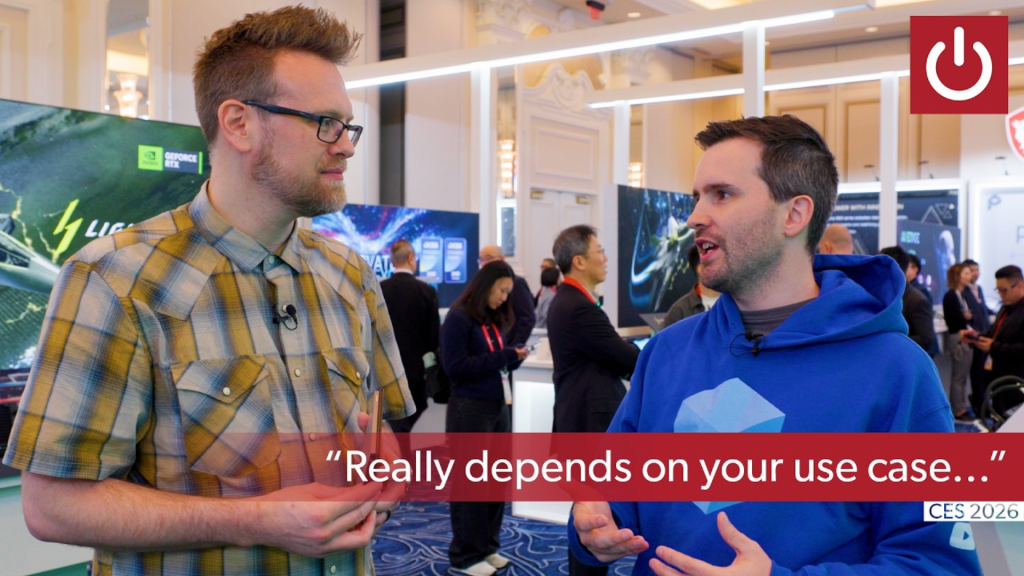
Industry experts suggest that OLED monitors are best suited for gamers or users with dynamic workloads. For those who rely on a static UI, mitigating burn-in requires discipline—such as minimizing taskbar visibility and sticking to fullscreen applications whenever possible. Some newer models incorporate advanced features like presence detection, which adjusts panel behavior based on usage patterns, potentially offering better protection against burn-in than traditional countermeasures.
Despite these challenges, OLED monitors are gaining traction due to their superior color accuracy, contrast ratios, and response times. Pricing has also become more accessible, with some 1440p models now available for as little as $380, while high-refresh-rate options like the 240Hz variants can be found around $430. These price points make OLEDs a compelling choice for enthusiasts, though their long-term durability remains a topic of ongoing research.
As OLED technology evolves, so too do the strategies to combat burn-in. Manufacturers are increasingly integrating smart algorithms that detect static elements and dynamically adjust brightness or pixel states to distribute wear more evenly. While these solutions aren’t foolproof, they represent a significant step forward in extending the lifespan of OLED panels for productivity use.
For users on the fence about adopting an OLED monitor, patience may be advised. Independent testing initiatives, such as those conducted by specialized review outlets, continue to refine our understanding of burn-in risks. Until then, potential buyers should weigh their workload against the latest advancements in panel protection, ensuring they choose a monitor that aligns with both their needs and long-term expectations.