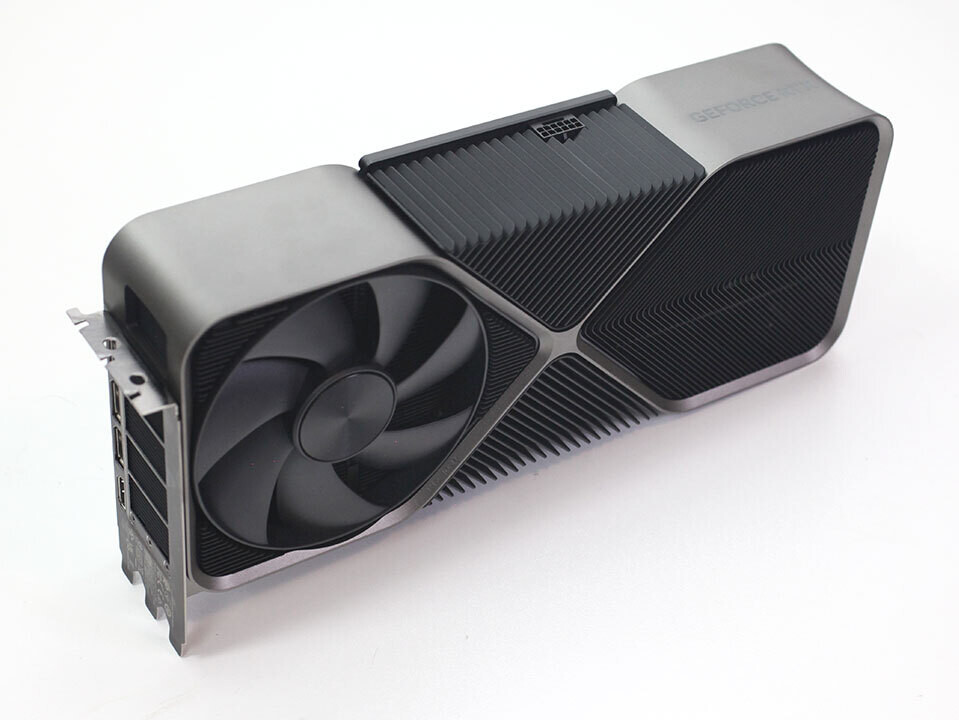
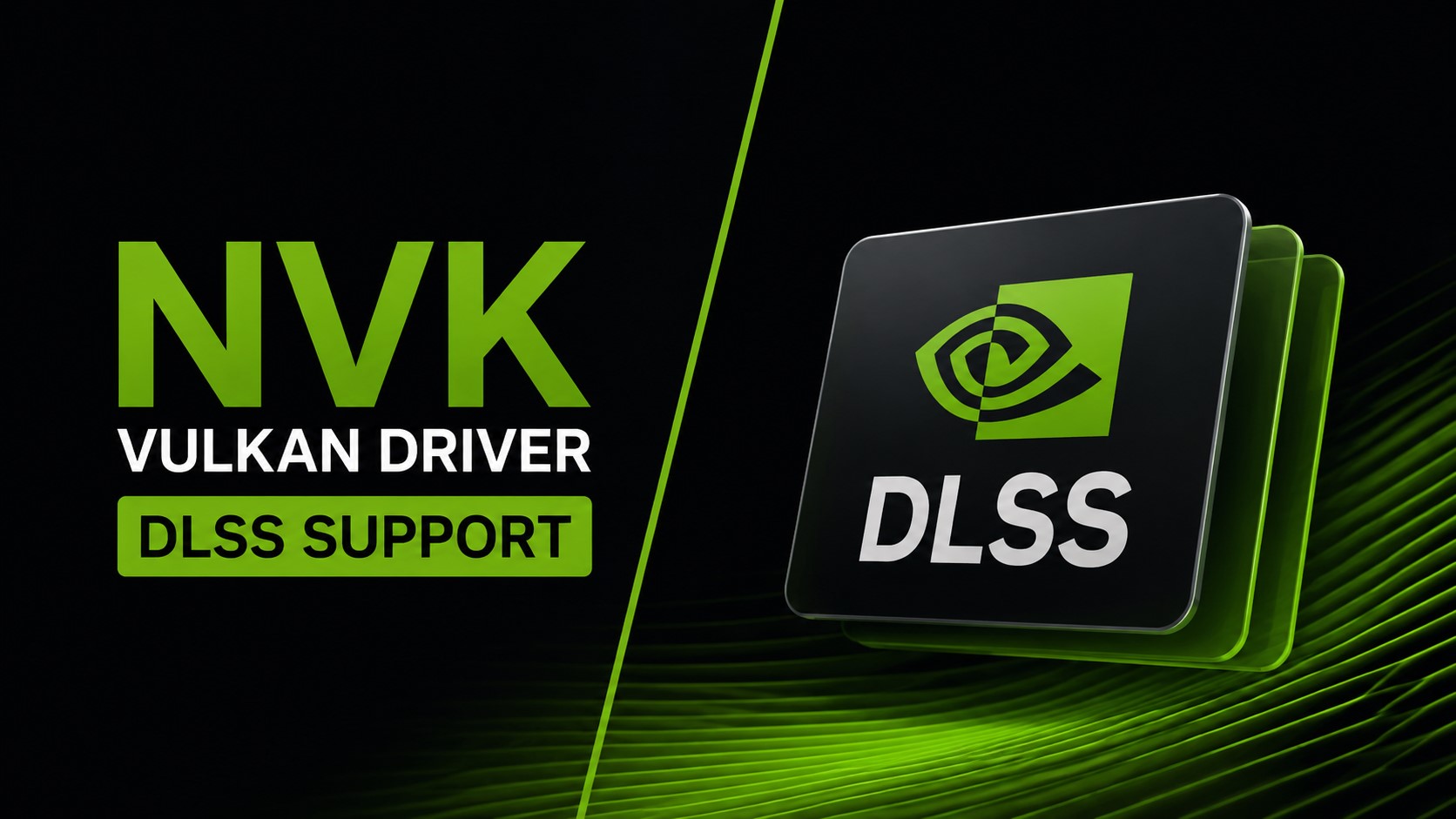
The NVK Vulkan driver for NVIDIA GPUs has taken a major step toward broader adoption by adding DLSS support, a feature previously confined to closed-source environments. This integration allows developers working on Linux-based systems—whether desktops or data centers—to access NVIDIA’s AI-driven rendering upscaling without relying entirely on proprietary drivers. The update, built into Mesa 26.2, marks a pivotal moment for open-source graphics development, as it merges the efficiency of DLSS with the flexibility of an open-source driver stack.
DLSS in NVK leverages NVIDIA’s closed-source libraries but exposes them through an open-source interface, creating a hybrid model that avoids locking developers into proprietary Vulkan drivers. Benchmarks indicate a 1.5x average frame-rate improvement when DLSS is enabled, compared to traditional upscaling methods, though this comes with limitations. For instance, advanced DLSS features like Frame Generation remain unsupported in NVK, restricting its use to basic upscaling (DLSS 1/2/3). Additionally, the closed-source components retain their licensing constraints, meaning a valid NVIDIA GPU and driver installation are still required.
Performance Gains and Practical Implications
- DLSS support in NVK requires NVIDIA RTX 20/30/40 GPUs with Tensor cores (Ada Lovelace or later).
- Average FPS improvement: 1.5x over traditional upscaling.
- Target use cases: Linux desktops, cloud gaming, and data-center workloads.
The efficiency benefits of this update extend beyond raw performance metrics. DLSS reduces the computational load on GPUs by offloading rendering tasks to Tensor cores, which can lead to lower power consumption and heat output—critical factors in data-center environments where thermal management is a priority. Early tests suggest up to 12% reduction in GPU power draw under high-resolution workloads when DLSS is active, though exact figures vary by application and hardware.
Why This Matters for Developers
For developers, this update represents a compromise between performance and platform constraints. Projects targeting Linux no longer face an all-or-nothing choice: they can access DLSS’s advantages while maintaining compatibility with Mesa’s open-source ecosystem. This is particularly relevant in cloud gaming and data-center workloads, where Linux is increasingly preferred for its stability and cost efficiency. The hybrid approach also opens doors for more seamless integration of NVIDIA’s features into open-source workflows, though full parity—such as Frame Generation support—remains a work in progress.
Looking Ahead
The next phase for NVK will likely focus on expanding DLSS feature compatibility and reducing reliance on closed-source components. While this is purely a driver update with no impact on hardware pricing or availability, its adoption could accelerate as more Linux distributions adopt Mesa 26.2 by default. The balance between open-source flexibility and proprietary performance gains will continue to shape the future of cross-platform graphics development.