Data center managers are constantly balancing the need for cutting-edge performance with budget constraints, especially when it comes to AI workloads. The introduction of NVIDIA’s RTX Spark forces a reckoning: is this GPU a strategic leap forward or a high-risk experiment that could leave some organizations behind?
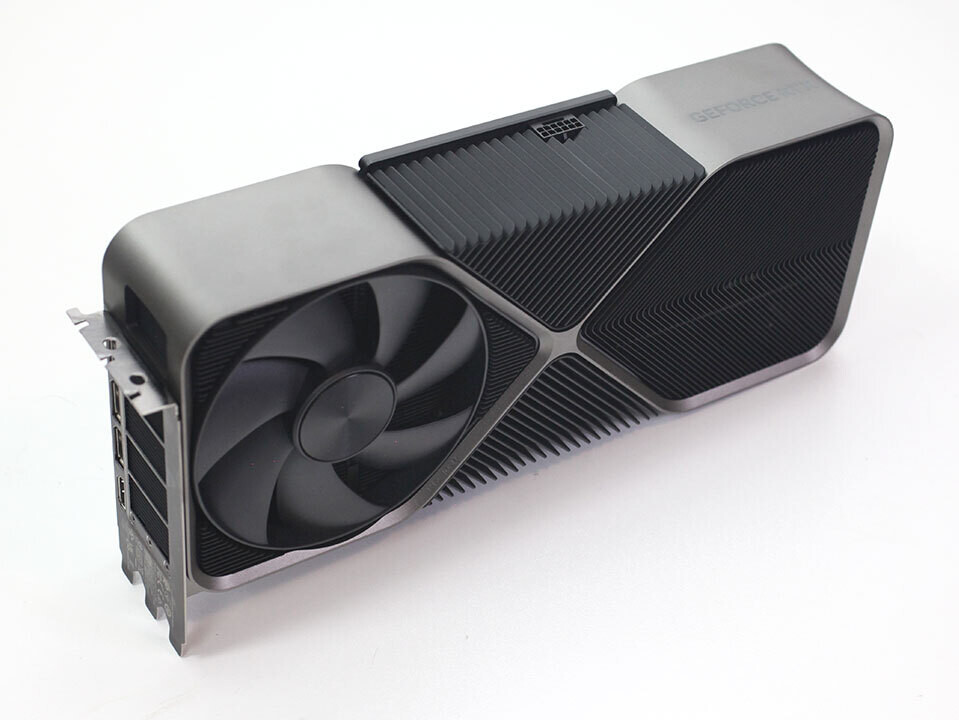
The RTX Spark isn’t just another incremental update—it’s a deliberate pivot toward efficiency over raw power. With 12GB of GDDR6 memory and a 192-bit memory bus delivering up to 768 GB/s bandwidth, it targets workloads that demand real-time processing without the traditional emphasis on massive VRAM capacity. This shift suggests NVIDIA is betting on a future where AI tasks prioritize bandwidth optimization over sheer volume.
- Display Output: 1x HDMI 2.1, 3x DisplayPort 2.0
- Architecture: RTX Spark (4th-gen Tensor cores included)
- Memory: 12GB GDDR6, 768 GB/s bandwidth
- Power Consumption: 300W TDP (typical), 350W under load
- Connectivity: PCIe 4.0 x16, NVLink support
The trade-off is clear: while the RTX Spark offers impressive performance metrics, its memory configuration is significantly more modest than NVIDIA’s high-end GPUs. This isn’t a mistake—it’s a calculated gamble on a market where efficiency matters more than raw capacity. For enterprises already deep in NVIDIA’s ecosystem, the transition will be smoother, but for those hesitant to commit, the cost could be prohibitive.
The real test lies in how this GPU performs against competitors like Apple and Qualcomm, which have been quietly building their own AI hardware capabilities. If NVIDIA can maintain its dominance while offering a more affordable entry point, the RTX Spark could become a staple. But if it fails to deliver meaningful long-term value, it may end up as a footnote in the evolution of AI computing.
Ultimately, the RTX Spark’s legacy will depend on whether NVIDIA can strike the right balance between innovation and affordability—a challenge that will shape the future of AI workloads for years to come.