Supply chains are humming with anticipation as NVIDIA prepares to launch its next generation of laptop GPUs, a move that could reshape the competitive landscape for PC performance.
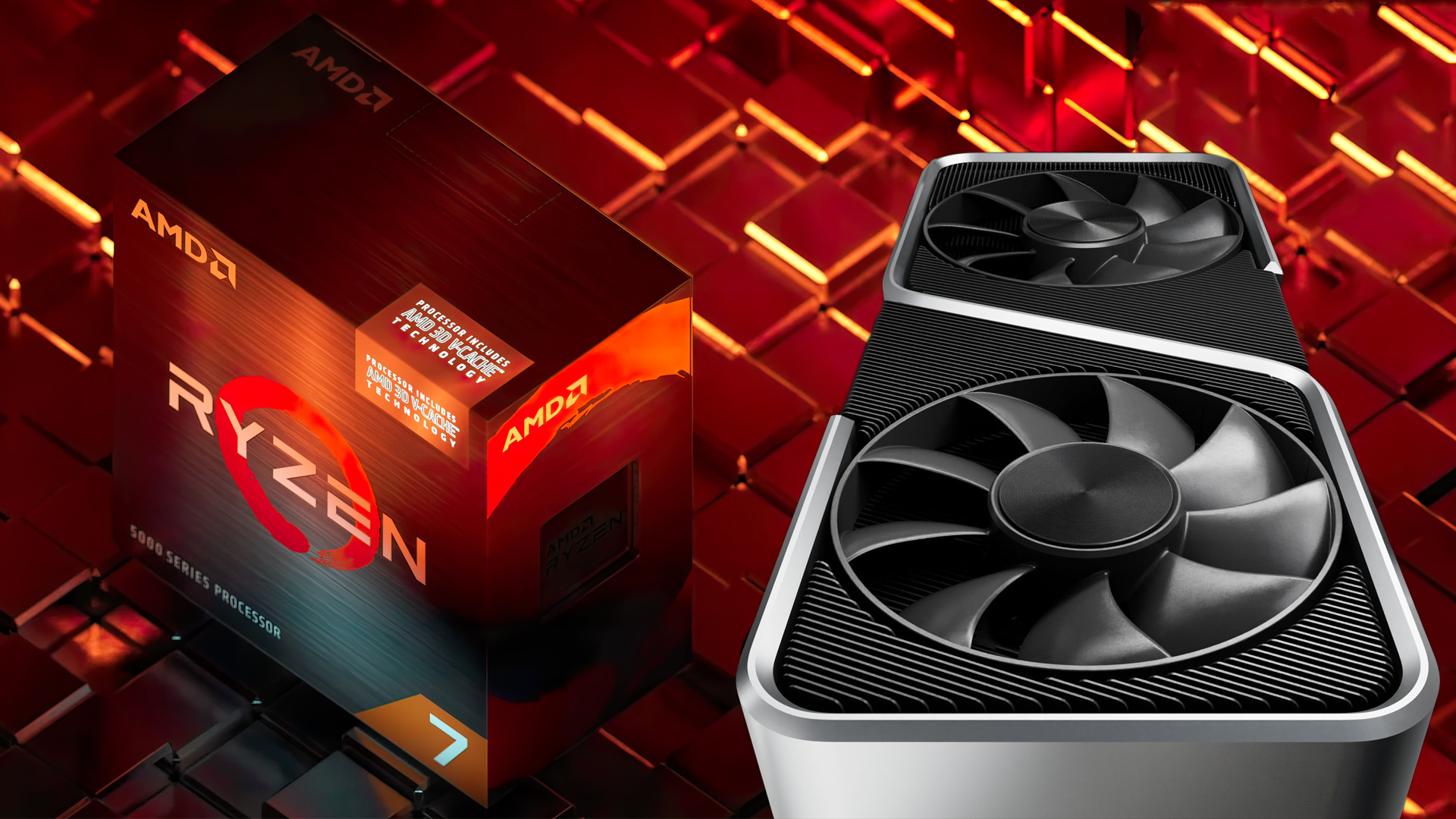
The upcoming chips, codenamed Ada Lovelace, are expected to bring significant advancements in graphics processing power and efficiency. This could pose a serious challenge to AMD's Radeon and Intel's Arc graphics, which have long been the go-to options for laptop users seeking high-performance graphics without the heat or power draw of traditional desktop GPUs.
Performance and Efficiency
Ada Lovelace is rumored to feature a significant increase in CUDA cores, reaching up to 1800 in some models. This is a substantial jump from NVIDIA's current offerings, which typically range between 960 and 1440 CUDA cores. The new chips are also expected to support ray tracing at much higher resolutions, making them particularly appealing for content creators and gamers who demand the best possible visual fidelity.
What This Means for Users
For users, the introduction of Ada Lovelace could mean a significant leap in performance without the usual trade-offs. NVIDIA has long been known for its ability to balance power and efficiency, but with Ada Lovelace, this balance is expected to shift even further in favor of the user. The new chips are designed to handle demanding tasks like 3D rendering, video editing, and high-end gaming with ease, all while maintaining a relatively low power consumption.

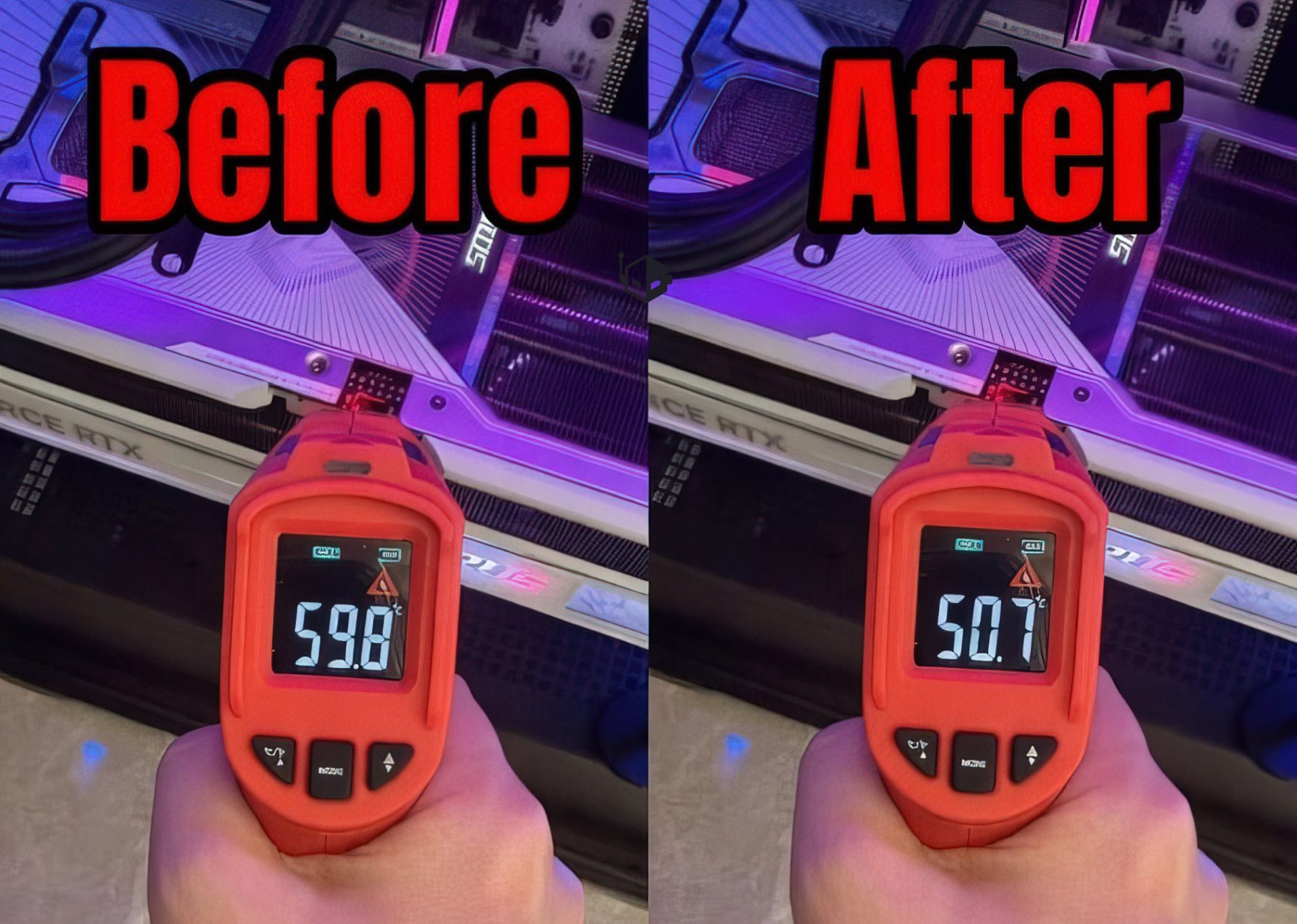
This could be particularly beneficial for laptop users who often find themselves constrained by thermal throttling and battery life. With Ada Lovelace, NVIDIA aims to address these issues head-on, promising better thermal management and longer battery life, even under heavy loads.
Competitive Positioning
The timing of this launch is crucial for NVIDIA. AMD and Intel have been making significant strides in their respective graphics offerings, with AMD's Radeon 7000 series and Intel's Arc graphics gaining traction in the market. NVIDIA's move to introduce Ada Lovelace could be a strategic response to these developments, aiming to reassert its dominance in the laptop GPU market.
However, it remains to be seen whether NVIDIA can live up to its marketing claims. While the specifications look promising, real-world performance will ultimately determine how Ada Lovelace stacks up against its competitors. Users should keep an eye on benchmarks and reviews once the chips are officially released to get a true sense of their capabilities.
For now, the focus is on what NVIDIA can deliver. If it succeeds in balancing power, efficiency, and thermal management, Ada Lovelace could indeed uproot AMD and Intel's long-standing dominance in the laptop GPU market. But as with any new technology, there are bound to be teething issues and areas where performance may not live up to expectations.