NVIDIA's latest H200 GPU represents a critical turning point for the company, particularly in the China market where its once-dominant share has been eroded by US export controls. With AI and supercomputing at its core, the H200 is designed to meet the demands of data centers and high-performance computing environments while navigating the complexities of global trade restrictions.
The H200's architecture is built around a 40 TOPS (trillion operations per second) AI performance, achieved through a combination of advanced CUDA cores, Tensor Cores, and memory optimizations. This positions it as a powerhouse for tasks such as large-scale data processing, deep learning training, and scientific simulations. The GPU also features 96 GB of HBM3 memory, enabling efficient handling of massive datasets, which is crucial for modern AI workloads.
However, the path to market isn't without hurdles. NVIDIA's struggle in China stems from US export restrictions that have limited its ability to supply key components like advanced chips and software licenses. The H200, while designed to address these challenges, faces significant logistical and regulatory obstacles. For instance, the GPU relies on US-sourced technologies that are now subject to stricter scrutiny, which could delay its widespread adoption in China.
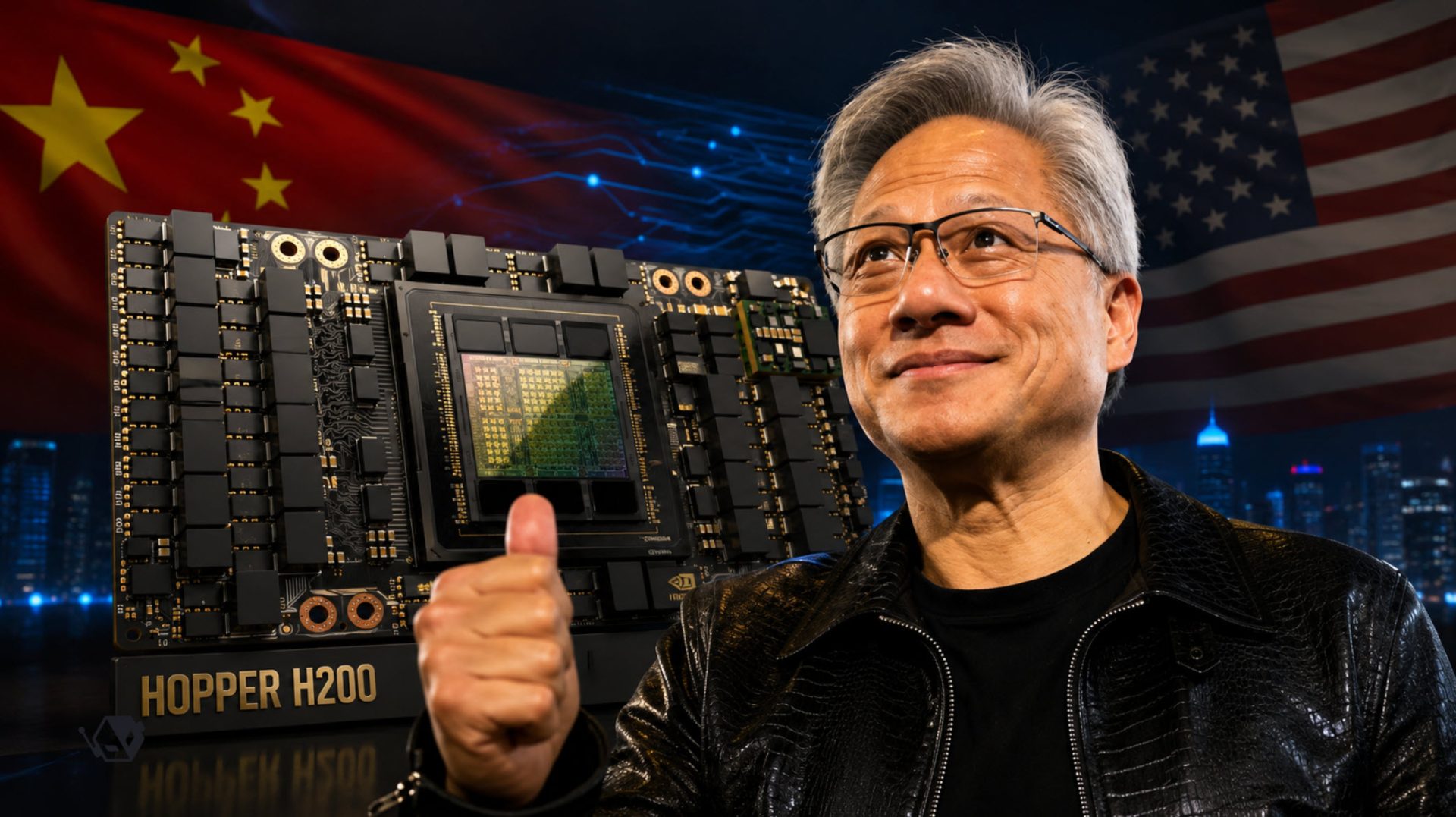
Despite these challenges, the H200's potential is undeniable. Its performance metrics suggest it could significantly enhance workflow efficiency for enterprises engaging in AI-driven research or large-scale data analytics. The GPU's ability to process complex workloads with minimal latency makes it a compelling option for industries such as finance, healthcare, and autonomous systems. These sectors stand to benefit the most from its capabilities, provided NVIDIA can navigate the regulatory landscape effectively.
Looking ahead, the success of the H200 in China will hinge on NVIDIA's ability to balance performance with compliance. While the technical specifications are impressive, the real test lies in overcoming the operational and legal barriers that have hindered its market penetration. If successful, this could not only restore NVIDIA's position in China but also set a precedent for how global tech companies can adapt to evolving trade dynamics.