IT teams often grapple with the trade-off between cost and functionality when deploying streaming solutions. Traditional smart TVs offer built-in features but come with high expenses, while standalone sticks lack advanced management tools. A new device aims to resolve this by integrating enterprise software with a compact, self-contained hardware design—potentially disrupting the market if it delivers on its promises.
Unlike conventional streaming sticks, which depend on smart TVs for processing power, this device operates independently or pairs with legacy displays. It runs a lightweight OS optimized for media playback while retaining robust remote administration capabilities, making it ideal for office environments where IT teams need centralized control without the overhead of high-end hardware.
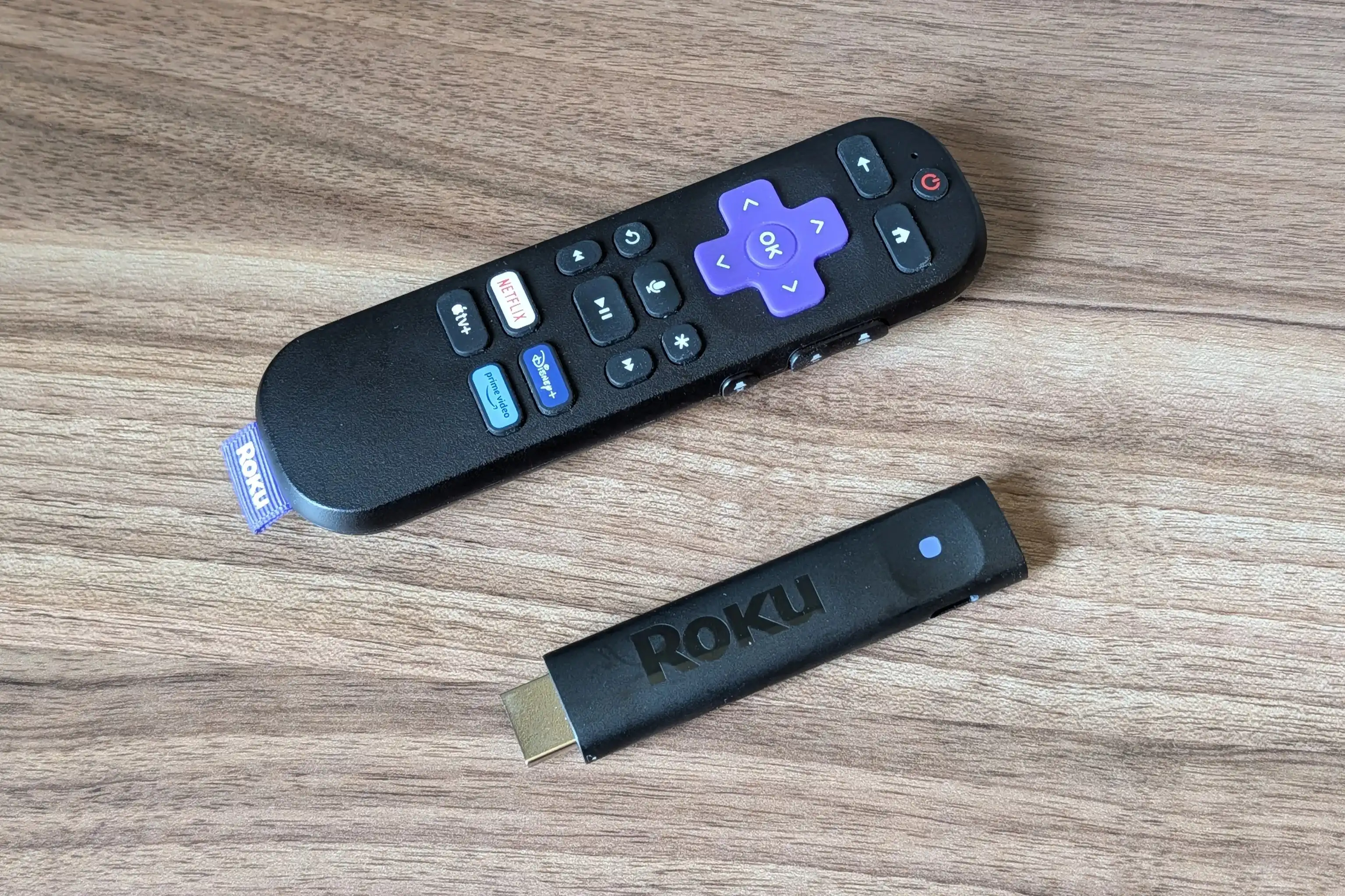
- Supports 4K HDR content at 60 Hz
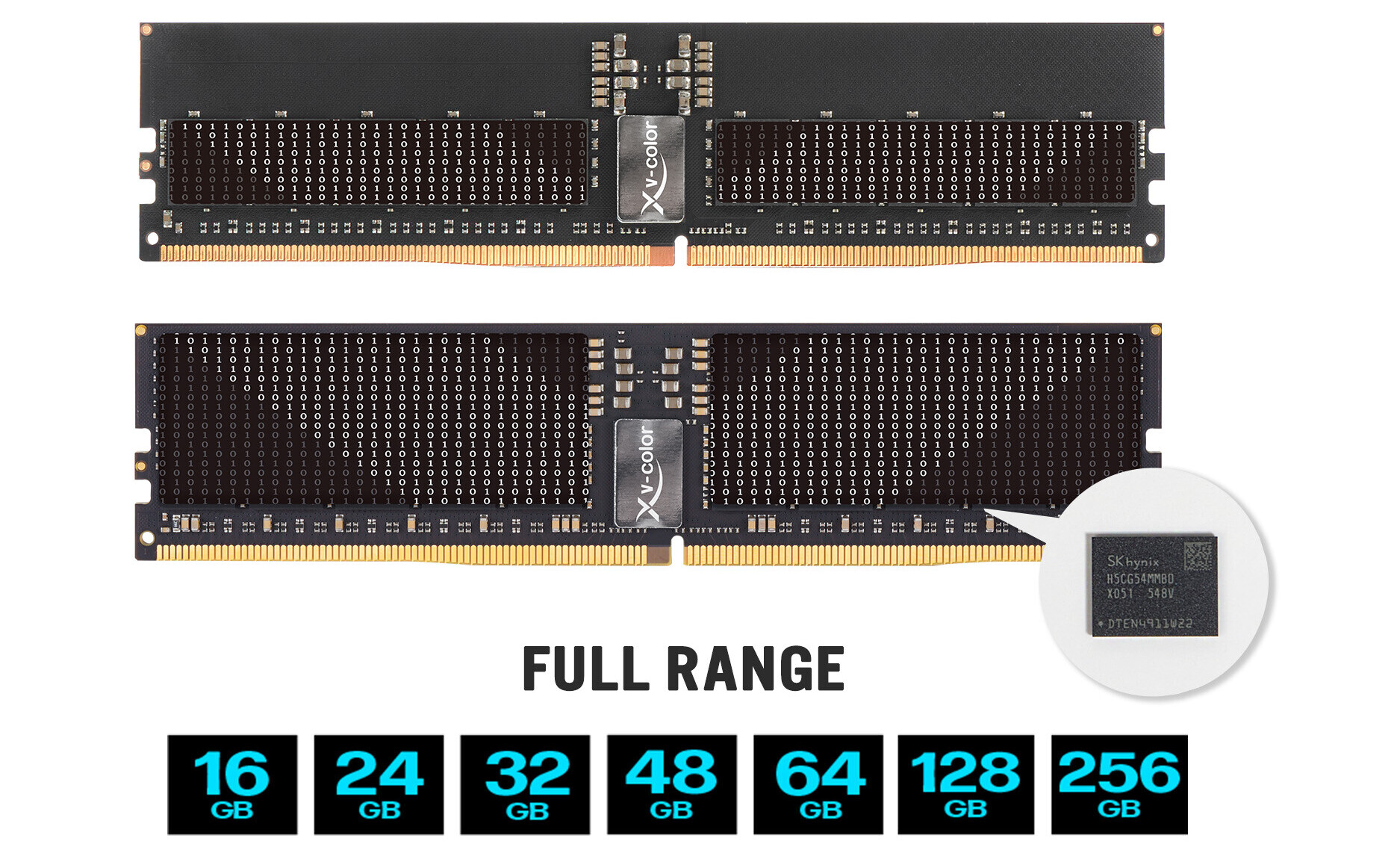
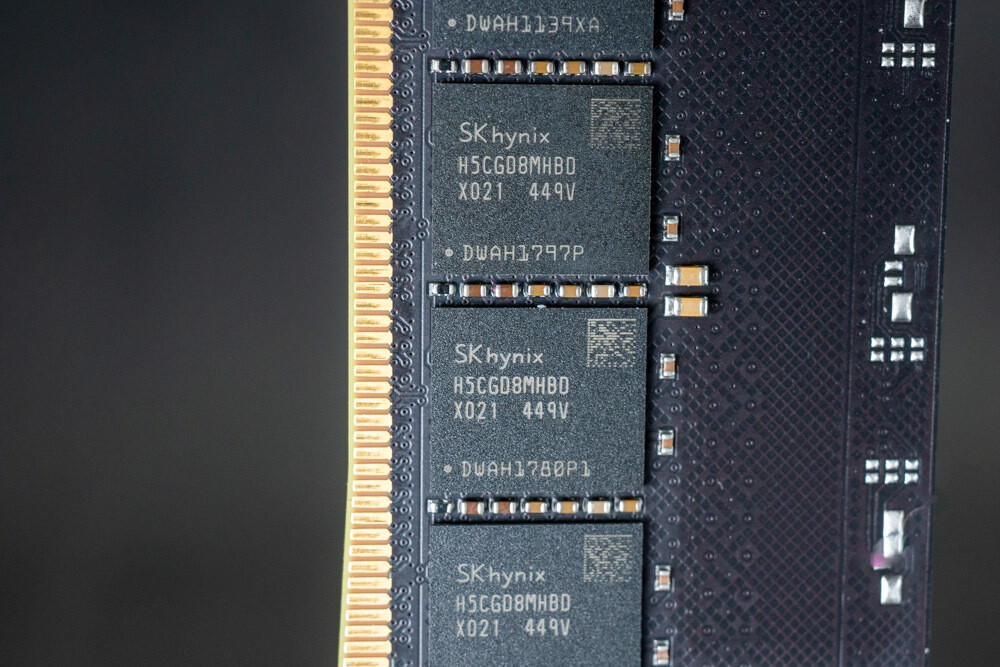
- 8 GB DDR4 RAM paired with 128 GB eMMC storage
- Fixed clock speed of 1.5 GHz for efficient performance
The device’s architecture suggests a focus on cost efficiency, potentially undercutting smart TV solutions by up to 30 percent when factoring in software licensing. However, its success will depend on whether it meets enterprise expectations for reliability and management features.
For businesses with mixed display setups, this could offer a middle-ground solution—avoiding the need for full smart TV upgrades while providing better control than standalone sticks. But without a confirmed release timeline, IT planners remain cautious about its potential impact.
The market for streaming devices is already crowded, so this device will need to stand out in both performance and software integration. If it delivers, it could redefine how mid-sized organizations approach digital signage and media deployment—otherwise, it may just add another option to an already saturated landscape.