In today’s tech landscape, scarcity has become Nvidia’s silent advantage. While others struggle with constrained supplies of memory, wafers, and power, Nvidia is not just navigating these challenges—it is shaping them.
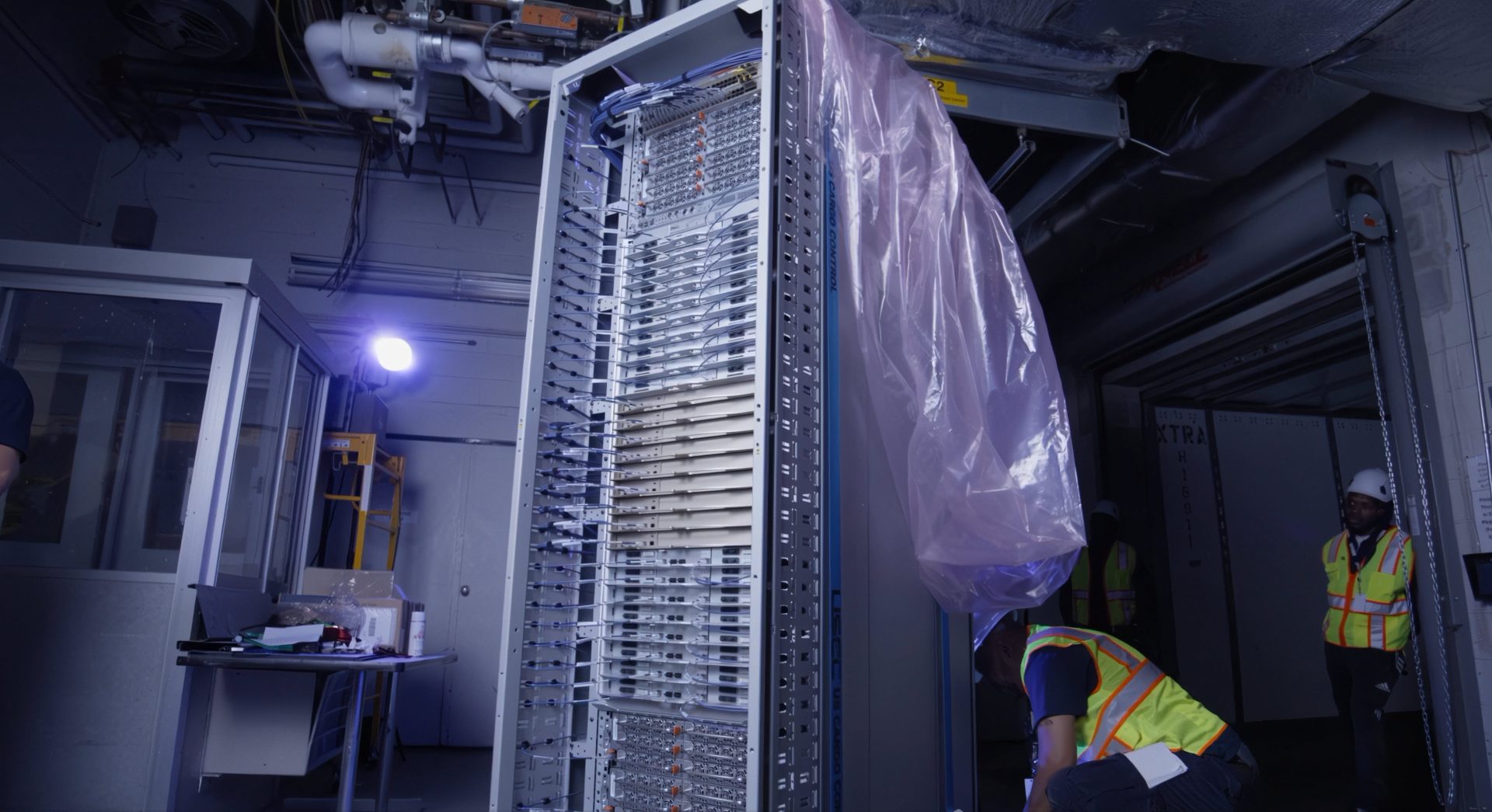
The company’s recent financial performance underscores its position at the center of a once-in-a-generation shift. Data center revenue surged past expectations, outpacing even the most bullish projections. This isn’t just about AI; it’s about control. Control over supply chains, manufacturing capacity, and the ability to stand up entire AI factories in record time.
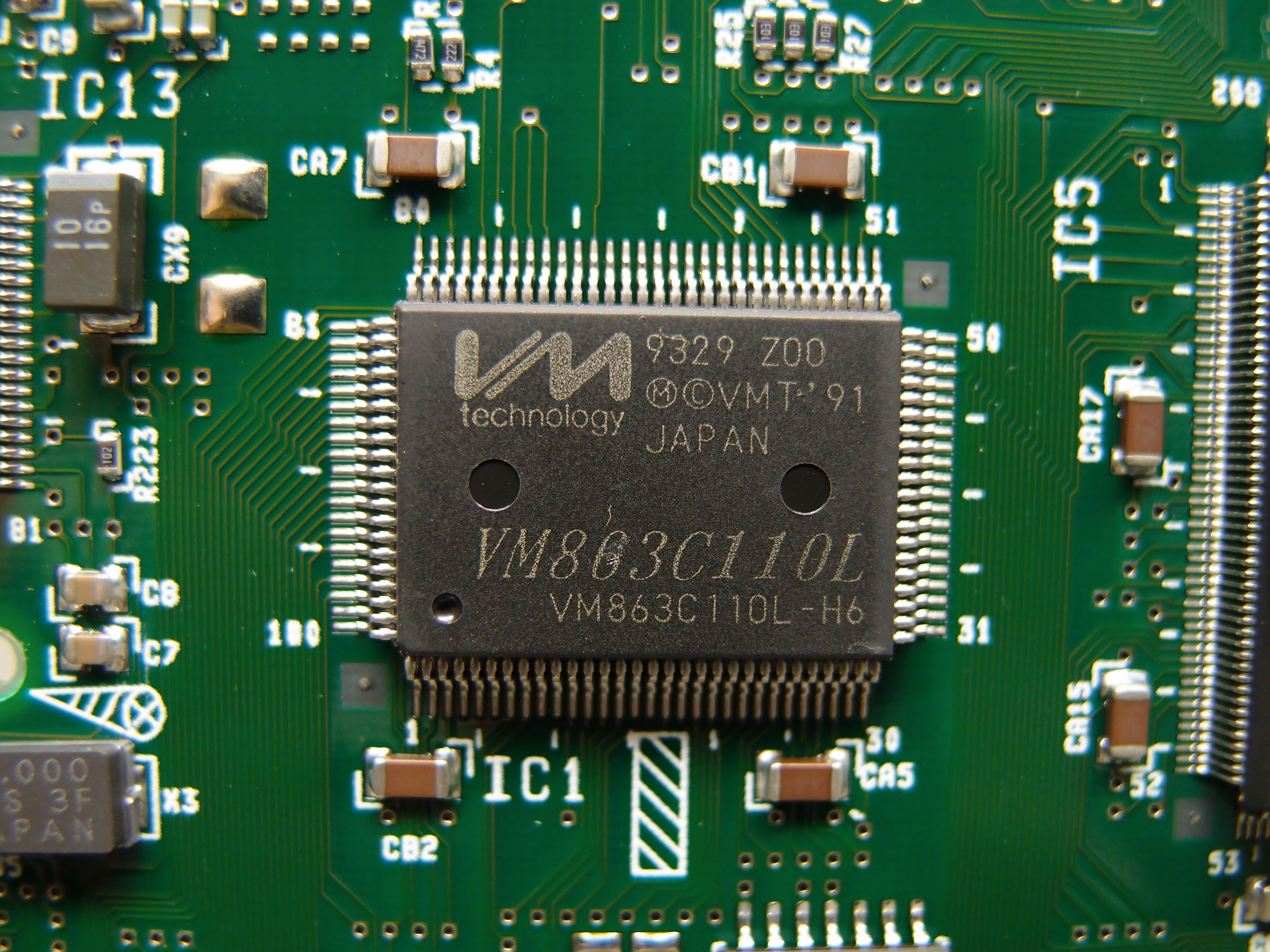
This level of influence is rare. Nvidia’s balance sheet allows it to secure DRAM plants, wafer production, and advanced packaging before competitors even consider bidding. The result? A market where every decision—from contract negotiations to factory planning—is made with the certainty that Nvidia will be first in line.
Why scarcity benefits Nvidia
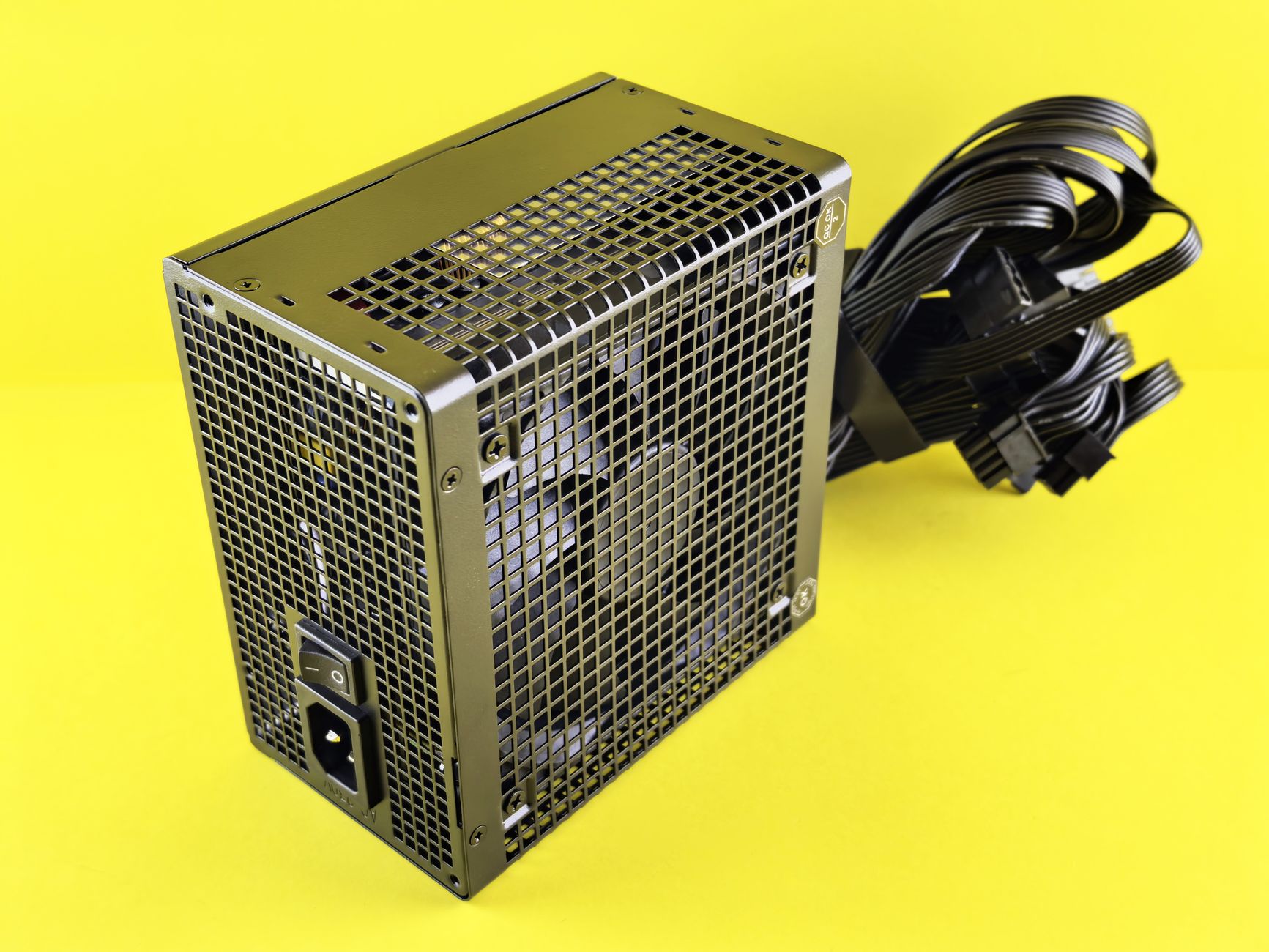
The company’s strategy hinges on a simple principle: when resources are limited, only the best-positioned players survive. This isn’t just about securing chips or memory modules; it’s about locking down entire ecosystems—from copper to connectors, from multilayer ceramics to power infrastructure.
- Nvidia can now offer turnkey AI factory solutions, something no other vendor provides.
- Its scale allows it to pre-allocate DRAM production, ensuring long-term availability for its own hardware.
- The company’s reputation and financial strength give it leverage in negotiations that others cannot match.
For Nvidia, scarcity isn’t a problem—it’s an opportunity. The less available memory or wafers are, the more valuable its contracts become. This dynamic has already begun to reshape market behavior, with other players left scrambling for scraps.

A double-edged sword
While Nvidia thrives in this environment, the broader industry faces consequences. Gamers and enterprise buyers are feeling the pinch of constrained supplies, particularly in memory modules. Nvidia’s own CFO acknowledged that supply constraints would remain a headwind for gaming in early 2026, though demand and inventory levels were described as healthy.
Yet, for AI-focused hardware, the story is different. Nvidia’s ability to secure capacity means its products are not just in high demand—they are the only viable option for large-scale deployments. This creates a paradox: while scarcity hurts some segments, it strengthens Nvidia’s position in others.
The question now is whether this model can sustain itself. The AI boom shows no signs of slowing, but the supply chain is already stretched thin. Even with massive expansions from TSMC and memory manufacturers, catching up to demand will take years. In the meantime, Nvidia’s early-mover advantage solidifies its dominance.
For buyers, this means a market where timing and choice are more critical than ever. Those who act now secure the best options; those who wait risk finding themselves at the back of the line.