Intel has begun quietly enabling open-source driver development for its upcoming Xe3P graphics architecture, marking a significant shift in how the company approaches GPU software. Unlike previous generations, this effort is not aimed at immediate functionality but at establishing foundational code paths that will support Xe3P GPUs when they arrive later this year.
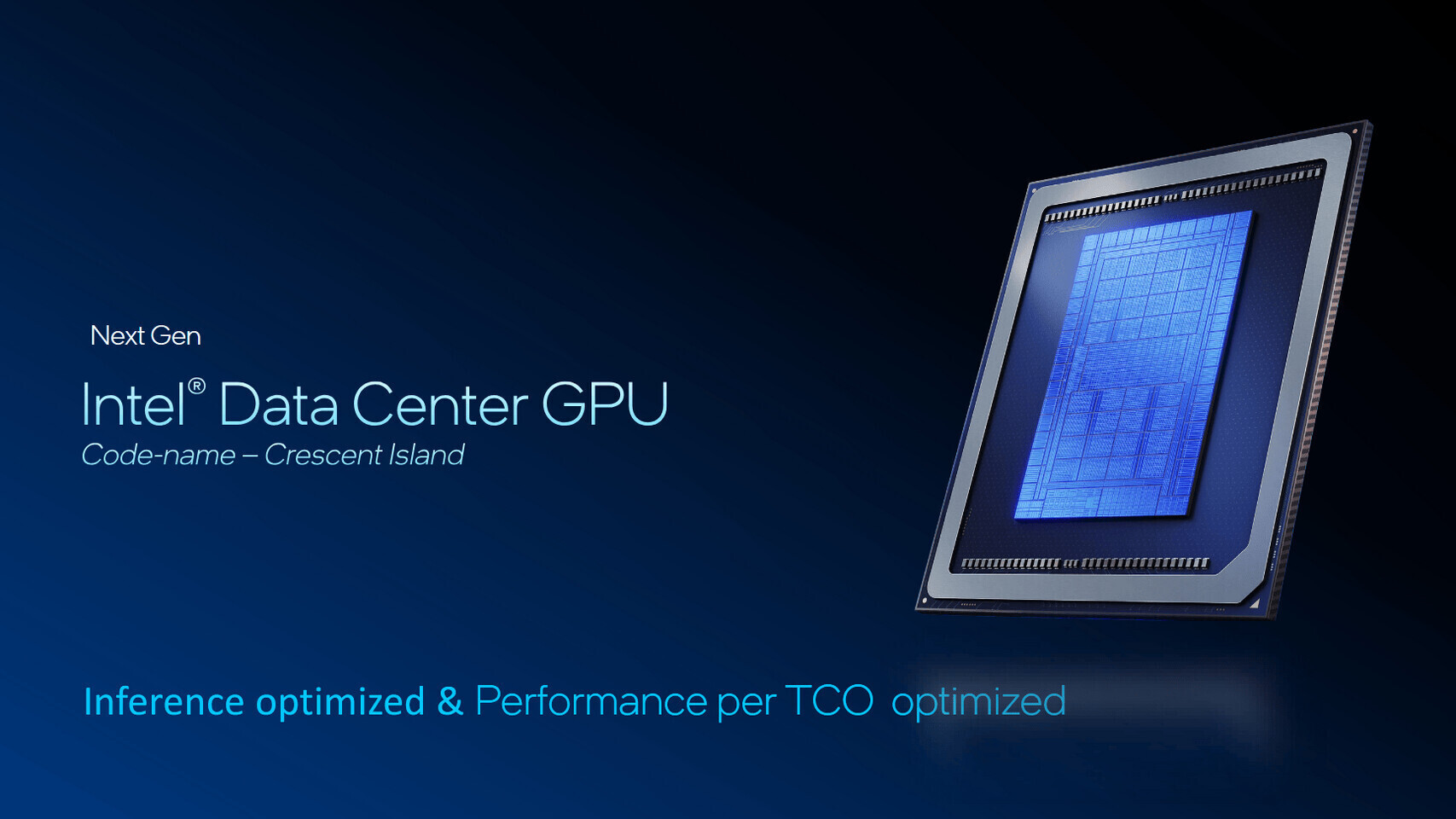
This preemptive work suggests Intel is preparing for a broad deployment of Xe3P across multiple platforms. The architecture is expected to appear in both consumer and AI-focused products, including the upcoming 'Nova Lake' desktop processors and Intel's 'Crescent Island' inference GPU. The latter will feature 160 GB of onboard LPDDR5X memory, positioning it as a high-capacity solution for AI workloads.
What’s Confirmed—and What Isn’t
The open-source enablement is being built within Mesa’s Iris (OpenGL) and Anvil (Vulkan) drivers. While this is a positive step, functional support remains weeks away, as additional backend development is still required. Performance benchmarks for Xe3P are not yet available, so its efficiency and capabilities remain unconfirmed.
- Key Specs:
- Xe3P-LPG: Integrated graphics in 'Nova Lake-P' processors
- Xe3P-LPM: Media processing unit for decoding/encoding
- Xe3P-LPD: Display output processing
- 160 GB LPDDR5X memory on 'Crescent Island' inference GPU
The open-source approach could accelerate adoption, but its real-world impact depends on how quickly Intel refines the drivers. For AI workloads, the 160 GB capacity of the 'Crescent Island' GPU is notable, though its computational performance remains to be seen.
Looking Ahead
The move aligns with broader industry trends toward open-source development in graphics, which could benefit developers and AI researchers who rely on integrated GPUs. However, challenges remain, particularly around driver maturity and support for complex workloads. If successful, this initiative could set a new standard for how Intel handles GPU software—one that prioritizes flexibility over proprietary control.
For now, the focus is on ensuring the foundation is in place when Xe3P GPUs launch. The next few months will determine whether this quiet shift translates into meaningful improvements for users and developers alike.