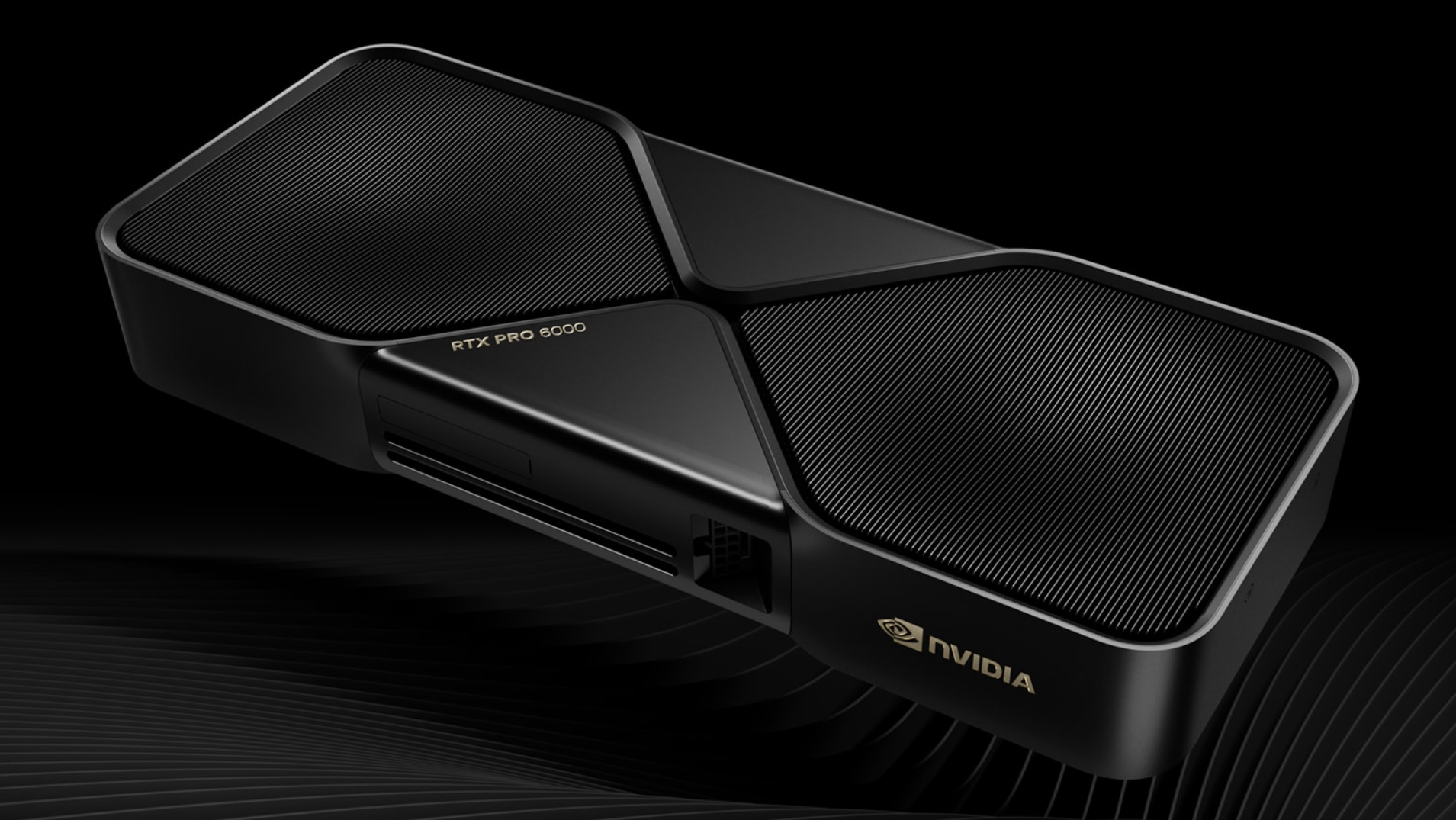
Nvidia’s GPU roadmap for 2026 is drawing intense scrutiny after reports emerged that the company may not introduce any new graphics cards this year. While no official confirmation has been made, industry observers are closely monitoring whether this represents a strategic pivot or an operational response to market conditions.
The potential absence of new GPUs in 2026 would mark a departure from Nvidia’s established pattern of annual updates, particularly for its high-end Ada Lovelace and Blackwell architectures. If implemented, the move could indicate a focus on refining existing products rather than expanding hardware capabilities, which may have implications for both performance benchmarks and market demand.
Key specs for Nvidia’s current GPU lineup, including the RTX 40 series, remain unchanged with features like 24GB GDDR6X memory, up to 16GB VRAM configurations, and clock speeds reaching 3.5 GHz in some models. Storage solutions typically pair these cards with PCIe 4.0 or 5.0 interfaces, depending on the model.
- Display: Up to 8K resolution support, HDR10+, adaptive sync technologies
- Chip: Ada Lovelace architecture (TSMC N5 process), Blackwell for data center GPUs
- Memory: 24GB GDDR6X (up to 19.2 GB/s bandwidth)
- Storage: PCIe 4.0/5.0 interface, no dedicated eMMC in consumer cards
- Power: Up to 450W TDP for high-end models (RTX 4090)
- Cameras: Not applicable (GPU-focused)
- Connectivity: HDMI 2.1, DisplayPort 2.0, USB-C (for VR/peripherals)
- Ports: Standard PCIe x16 slot, additional power connectors
If Nvidia were to skip new GPU releases in 2026, the primary impact would likely be on enthusiasts and professionals who rely on cutting-edge performance for tasks like AI training, ray tracing, or high-refresh gaming. Existing cards, particularly those from the RTX 40 series, would see extended lifecycles, but potential supply constraints—such as the rumored 20% production cut—could lead to price volatility and longer wait times.
This strategy might also benefit Nvidia’s data center business, where Blackwell-based GPUs are already gaining traction. By redirecting resources toward AI-focused hardware, the company could further solidify its dominance in enterprise markets while leaving a void in consumer GPU innovation—a scenario that would force competitors like AMD and Intel to fill.
As of now, no official statement from Nvidia has addressed these rumors, leaving the tech community to speculate on whether 2026 will be a year of consolidation or a turning point for GPU development. If production cuts materialize alongside a launch freeze, it could signal broader challenges in chip manufacturing or strategic realignment rather than just a temporary pause.