The RTX 50 series doesn’t just deliver raw performance; it redefines the relationship between power and efficiency. For power users, this means more control over thermal behavior, longer session stability, and the ability to push settings to extremes without system degradation. The RTX 5090, in particular, stands out with its ability to sustain 4K gaming at uncapped frame rates while maintaining lower heat output than previous generations. This isn’t just about raw numbers—it’s about how those numbers translate into real-world usability.
Advanced Features for Power Users
The RTX 50 series introduces several advanced features that cater to power users and enthusiasts. Key among them is the refined ray tracing architecture, which delivers more accurate lighting and shadows with less computational overhead. Combined with DLSS 4.5 Super Resolution, this ensures that even the most demanding games run smoothly at high resolutions without sacrificing visual fidelity.
- Improved ray tracing cores for more efficient light calculations
- DLSS 4.5 Super Resolution support, reducing performance impact while maintaining image quality
- 16 GB GDDR6X memory for high-resolution gaming and creative workloads
- PCIe 4.0 interface for faster data transfer in multi-GPU setups (if applicable)
The series also introduces optimizations for power efficiency, which are particularly noticeable under sustained loads. The RTX 5090, for example, can handle complex scenes with minimal thermal throttling, allowing users to run games at maximum settings without worrying about overheating or noise. This is a significant shift from earlier generations, where high-end GPUs often required large, expensive coolers just to maintain performance.
Thermal and Power Management: A Paradigm Shift
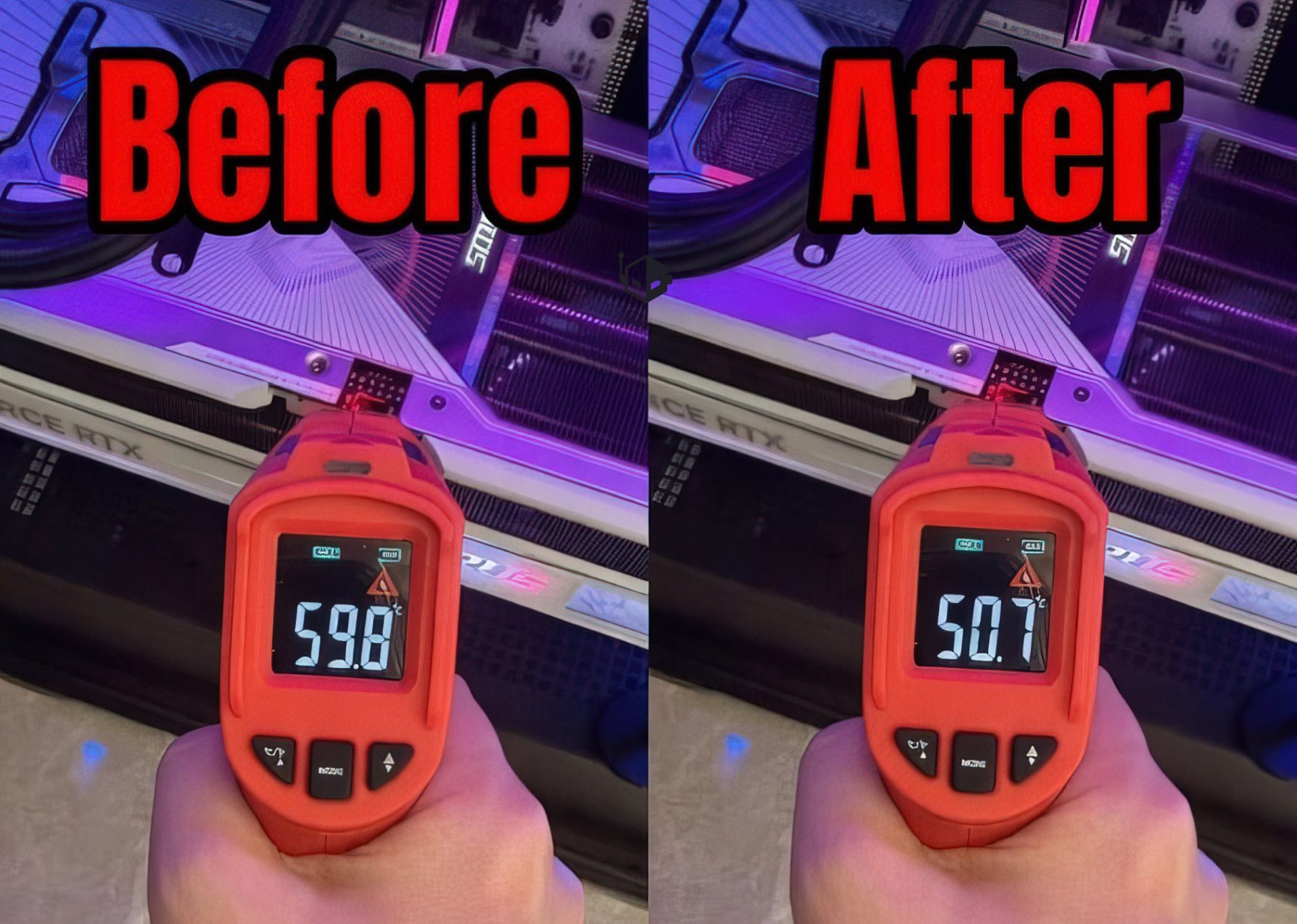
The RTX 50 series’ approach to heat management is one of its most compelling aspects. Previous high-end GPUs, like the RTX 4090, often required substantial power delivery and cooling solutions to sustain performance under load. The RTX 5090, however, redefines this dynamic by delivering similar or better performance with lower heat output.
For power users, this means more flexibility in system design. Smaller cases or all-in-one water cooling setups that were once impractical for high-end GPUs are now viable options. The trade-off isn’t just about noise reduction—it’s about extending the lifespan of components while maintaining peak performance. This is particularly important for users who run intensive workloads, such as 3D rendering or AI upscaling, where thermal stability is critical.
Where the RTX 50 Series Excels—and Its Limitations
The RTX 50 series isn’t just for gamers chasing the latest benchmarks. Its efficiency and power make it a strong contender for workstations where power consumption and heat are critical factors. For creative professionals, the combination of DLSS 4.5 Super Resolution and improved ray tracing cores ensures that even the most demanding titles can run at high frame rates without compromising image quality.
That said, there are limitations. The RTX 5090’s price remains a barrier for all but the most dedicated users, and its power draw still requires robust PSUs. However, for those who can invest, the combination of performance and efficiency is hard to match in today’s market.
The Future of High-End GPUs
The RTX 50 series sets a new standard for high-end GPUs, focusing on power efficiency without sacrificing raw capability. This shift toward smarter performance management benefits everyone from casual gamers to professional content creators. The question now isn’t just whether the RTX 50 series lives up to the hype—it’s how it will redefine what users expect from high-end GPUs moving forward.
For power users, this means more control over thermal behavior, longer session stability, and the ability to push settings to extremes without system degradation. The RTX 5090 leads with unmatched capabilities, but its siblings—RTX 5080 and RTX 5070—offer compelling alternatives that make high-performance gaming more accessible. The future of GPUs is here, and it’s about doing more with less.