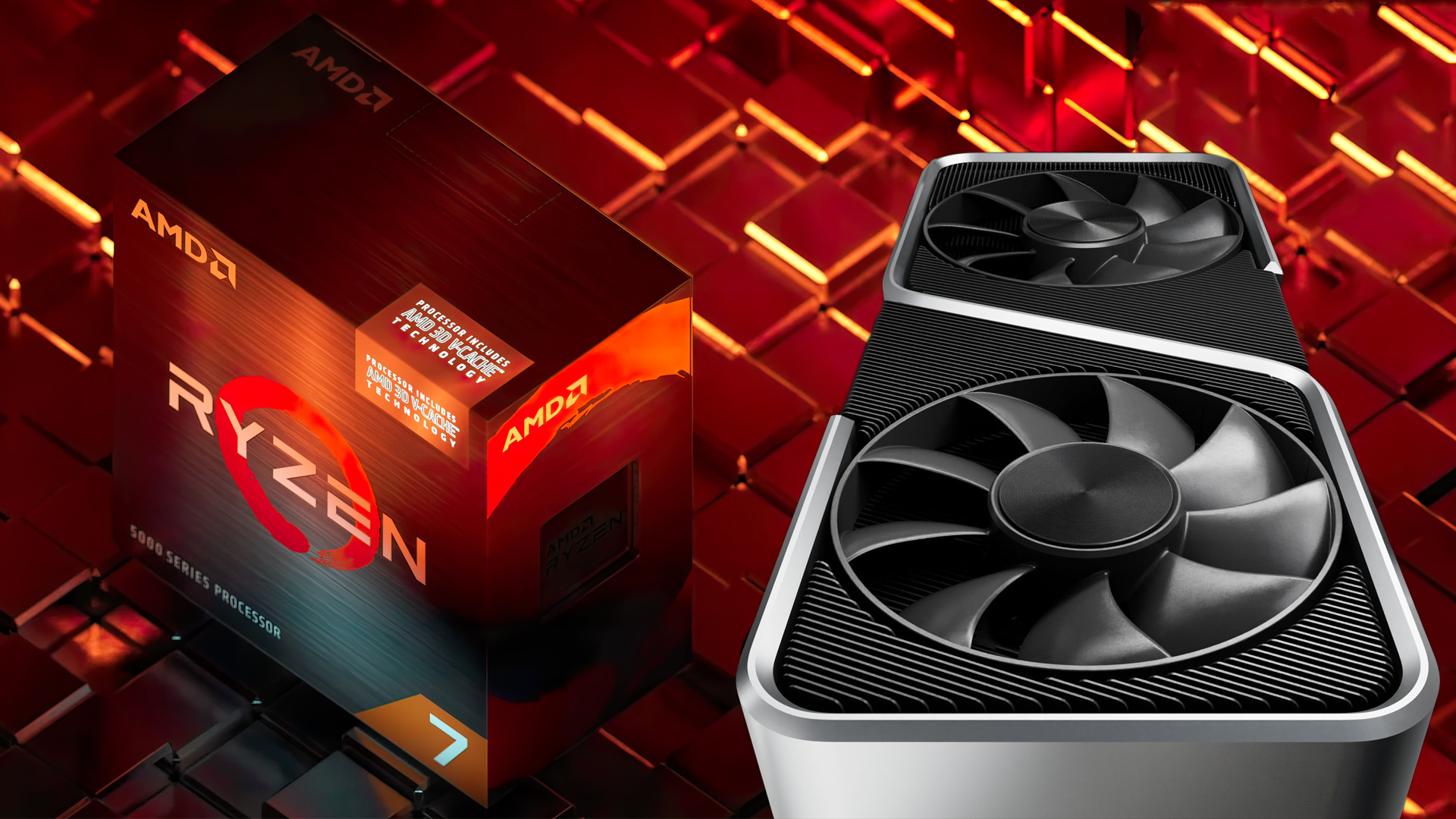
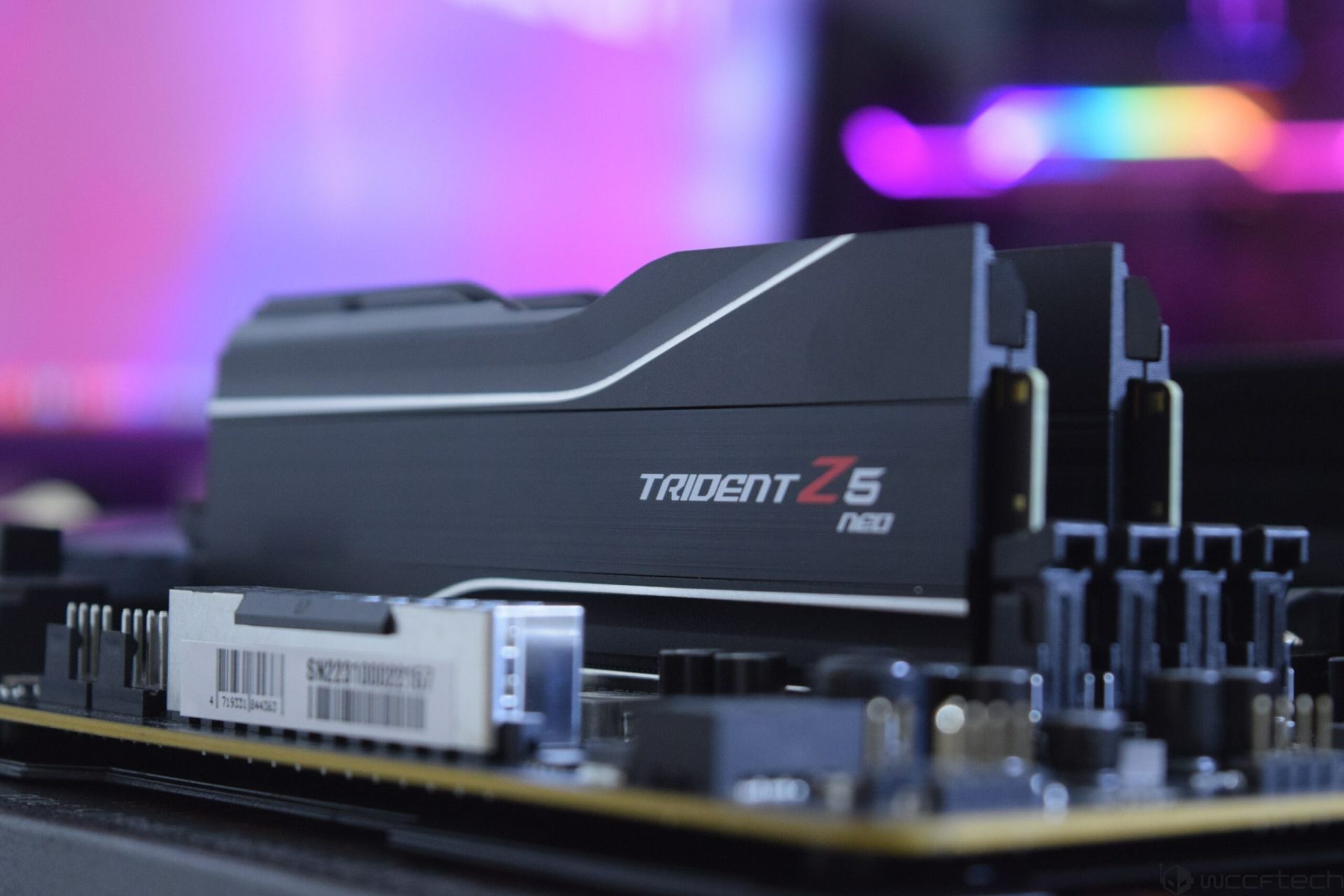
NVIDIA’s RTX 50 series continues the trend of pushing GPU efficiency further, but the market dynamics around memory pricing are complicating the equation for potential buyers. While the new GPUs promise substantial performance gains—up to 2.5 times better than their predecessors—the cost of DRAM is creating a tension between innovation and affordability.
The series spans three models: the RTX 5070, RTX 5060, and RTX 5090. The mid-range RTX 5070 comes with 12 GB of GDDR6 memory, while the more compact RTX 5060 offers 8 GB. The flagship RTX 5090 breaks the mold with a massive 24 GB allocation, catering to high-end workloads that demand significant bandwidth. This expansion in memory capacity is part of NVIDIA’s strategy to future-proof its GPUs for data-intensive tasks, but it also reflects the broader industry shift toward larger memory footprints.
- RTX 5070: 12 GB GDDR6, 3.4 GHz boost clock
- RTX 5060: 8 GB GDDR6, 3.2 GHz boost clock
- RTX 5090: 24 GB GDDR6, 3.7 GHz boost clock
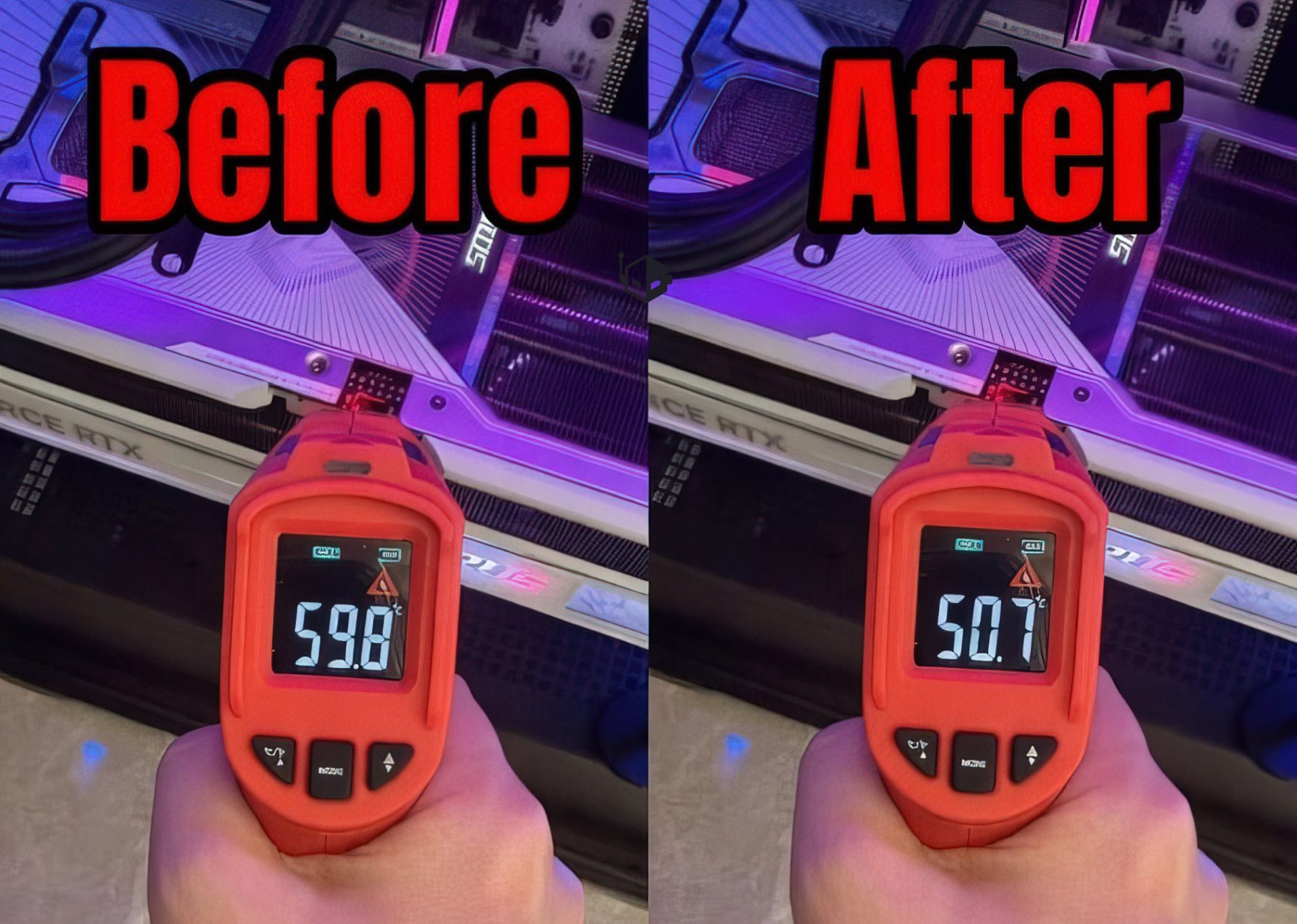
The efficiency gains aren’t just about raw performance; they also address power consumption. NVIDIA claims a 15% reduction in power draw compared to the RTX 40 line, which could translate into lower operational costs for IT teams managing large-scale deployments. This is particularly relevant in data centers or workstations where thermal management and cooling infrastructure play a critical role. Reducing power requirements means less strain on systems, potentially extending hardware lifecycles and reducing maintenance burdens.

However, the pricing structure of the RTX 50 series adds another layer to the cost equation. The RTX 5070 is priced at $305, while the RTX 5060 starts at $250. These figures already reflect a market where DRAM costs are on the rise. The RTX 5090, with its 24 GB of memory, is listed at $835—a premium that underscores NVIDIA’s focus on high-end users but also raises concerns about accessibility as memory prices continue to climb.
For IT teams, the challenge lies in balancing these efficiency gains against the increasing cost of memory. The RTX 50 series offers tangible improvements in performance-per-watt, but whether those benefits outweigh the rising operational costs remains an open question. Smaller configurations like the RTX 5060 provide a more budget-friendly entry point, but even these are not immune to supply chain pressures. As DRAM prices stabilize or drop, the full potential of the RTX 50 series may become clearer—but for now, the market’s focus is on navigating the cost hurdles.
The RTX 50 series represents a significant step forward in GPU technology, but its success hinges on whether NVIDIA can mitigate the impact of rising memory costs. For IT teams, the decision to adopt these GPUs will depend not just on their technical merits, but also on how well they align with budget constraints and long-term operational strategies.